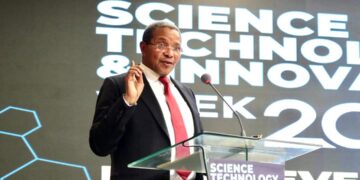










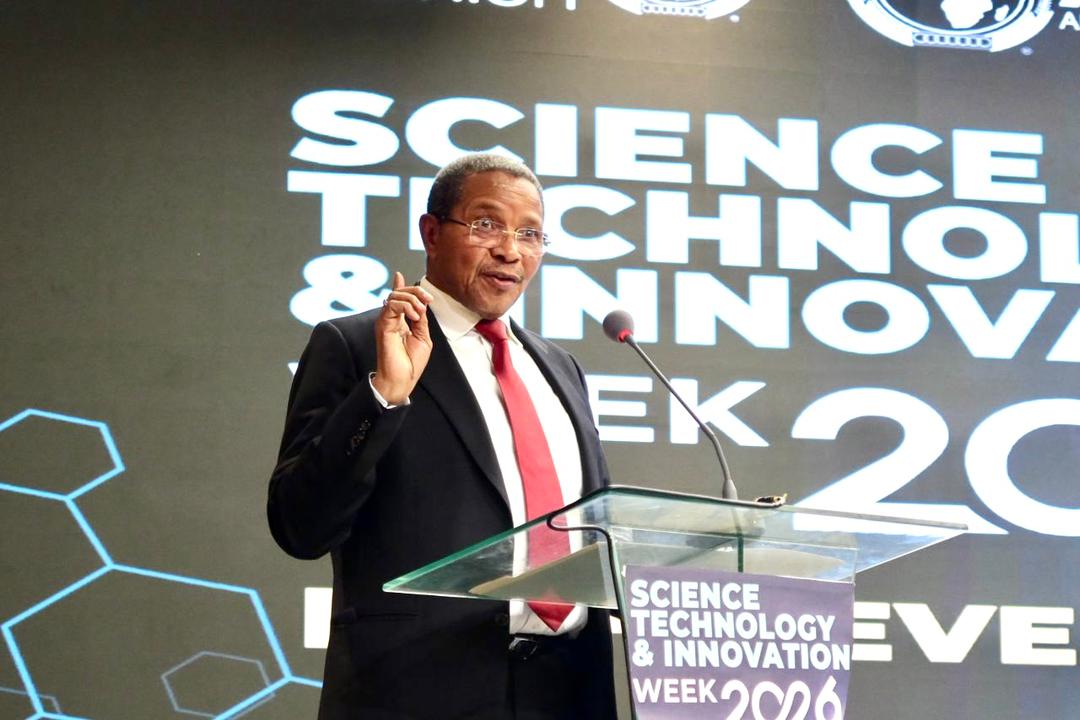
ADDIS ABABA, Ethiopia – Former Tanzanian President Hon. Jakaya Kikwete, who currently chairs the Board of the Global Partnership for Education (GPE), has urged African Union (AU) member states to increase funding for education to accelerate innovation, industrial growth, and long-term economic transformation.


Speaking at a High-Level Meeting organized by the African Union Development Agency (AUDA-NEPAD) on Africa’s Science, Technology and Innovation Strategy for Africa 2034 (STISA-2034), Kikwete emphasized that sustained investment in education is essential for unlocking the continent’s development potential.
“Education equips people with the knowledge and skills needed to address national and societal development challenges. Countries that are more developed have invested heavily in education, science, and technology,” he said.
Education as a Foundation for Economic Growth
STISA-2034 positions science, technology, and innovation as key drivers of Africa’s industrialization and competitiveness. According to AU policy frameworks and World Bank data, countries that invest consistently in human capital development tend to achieve higher productivity growth, improved innovation capacity, and stronger private sector expansion.
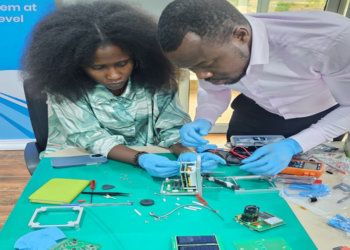
For Tanzania, increased education funding aligns with national priorities under Vision 2025 and ongoing industrialization efforts. The country has expanded access to primary and secondary education over the past decade, but experts note that further investment in technical training, digital skills, and research capacity will be critical to support emerging sectors such as manufacturing, ICT, agribusiness, and renewable energy.
Opportunities for Local and International Investors
A stronger education ecosystem presents opportunities for investors in:
- Technical and vocational training institutions
- Digital education platforms
- Research and innovation hubs
- Public–private partnerships in skills development
Development partners including the Global Partnership for Education continue to support education financing across Africa, helping governments strengthen systems and improve learning outcomes.
Analysts note that improved human capital enhances a country’s attractiveness to foreign direct investment, particularly in knowledge-based industries and high-value manufacturing.
As African governments implement STISA-2034, sustained investment in education and innovation is expected to play a pivotal role in driving inclusive economic growth, strengthening competitiveness, and expanding investment opportunities across the continent.