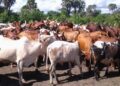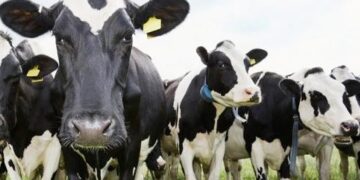






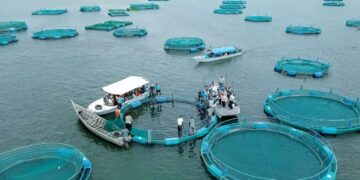





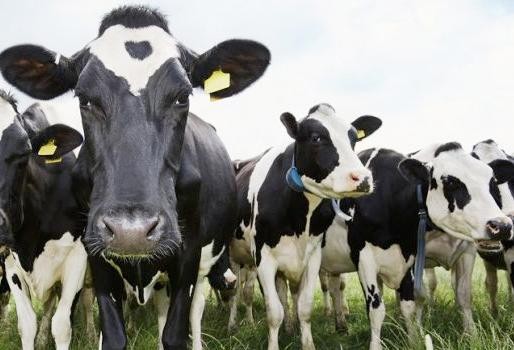
Tanzania holds the second-largest livestock population in Africa, with 60 million hectares specifically suited for grazing and a climate that supports resilient breeds. Tanzania’s strategic geography linking East and Southern Africa positions it as a critical place for investors looking to bridge the supply gap in Africa, the Middle East, and Asia.


Local meat demand in Tanzania is expected to increase by 2030, with overall projections from 290 million tons to 480 million tons. This is matched by a rising global demand for Tanzanian livestock products. Tanzania’s proximity to emerging markets provides a competitive edge for those ready to industrialize the value chain.
Strategic Investment Opportunities
- Joint venture projects with the National Ranching Company (NARCO) and other private ranches. These partnerships focus on modernizing existing rangelands, establishing new ranches for cattle, sheep, and goats, and scaling up professional livestock operations.
- Infrastructure and value addition:There is a call for the establishment of modern slaughtering facilities and processing plants.
- The poultry and dairy production. Opportunities exist for large-scale commercial layers and broiler farms, supported by the establishment of broiler processing plants. Additionally, the sector requires the development of commercial dairy farms and integrated milk processing facilities to meet surging demand.
- Establishment of animal feed processing plants. These plants will serve a dual purpose: fueling large-scale commercial operations while supplying essential feed to the vast network of local producers.
Key benefits of investing in Tanzania’s livestock sector;
- Attractive tax and financial incentives
Investors benefit from a highly supportive fiscal environment designed to reduce startup and operational costs. Through institutions like the Tanzania Investment and Special Economic Zones Authority (TISEZA), investors can access incentives such as 100% capital allowances.
- Strong market access and growing demand
Tanzania offers both a rapidly expanding domestic market and privileged access to regional and international markets. Its membership in regional blocs such as the East African Community (EAC) and the Southern African Development Community (SADC) allows investors to trade across a combined market of over 450 million people. At the same time, rising incomes and population growth are driving a sharp increase in local demand for meat and dairy products.
- Abundant natural resources
The country possesses one of Africa’s largest livestock populations and vast grazing land, providing a strong foundation for large-scale investment.
- Government support and investment protection
Investors are supported by a structured and investor-friendly regulatory framework. Agencies such as the Tanzania Investment and Special Economic Zones Authority (TISEZA) provide streamlined services helping investors secure permits, licenses, and work authorizations efficiently. Additionally, Tanzania offers legal protections against non-commercial risks through international frameworks.
- Opportunities for strategic partnerships
Tanzania encourages joint ventures and partnerships, particularly through entities like the National Ranching Company (NARCO), which manages extensive ranching land across the country. Investors can collaborate through sub-leasing or joint ventures, allowing them to scale operations more quickly while leveraging existing infrastructure and local expertise.
In conclusion, Tanzania’s livestock sector stands out as a smart investment opportunity. Investors can achieve sustainable growth while contributing to the country’s economic development. For anyone looking to invest in agriculture in Tanzania, the livestock industry offers long-term potential and competitive returns.