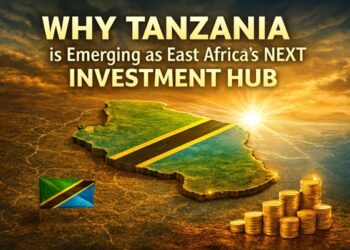













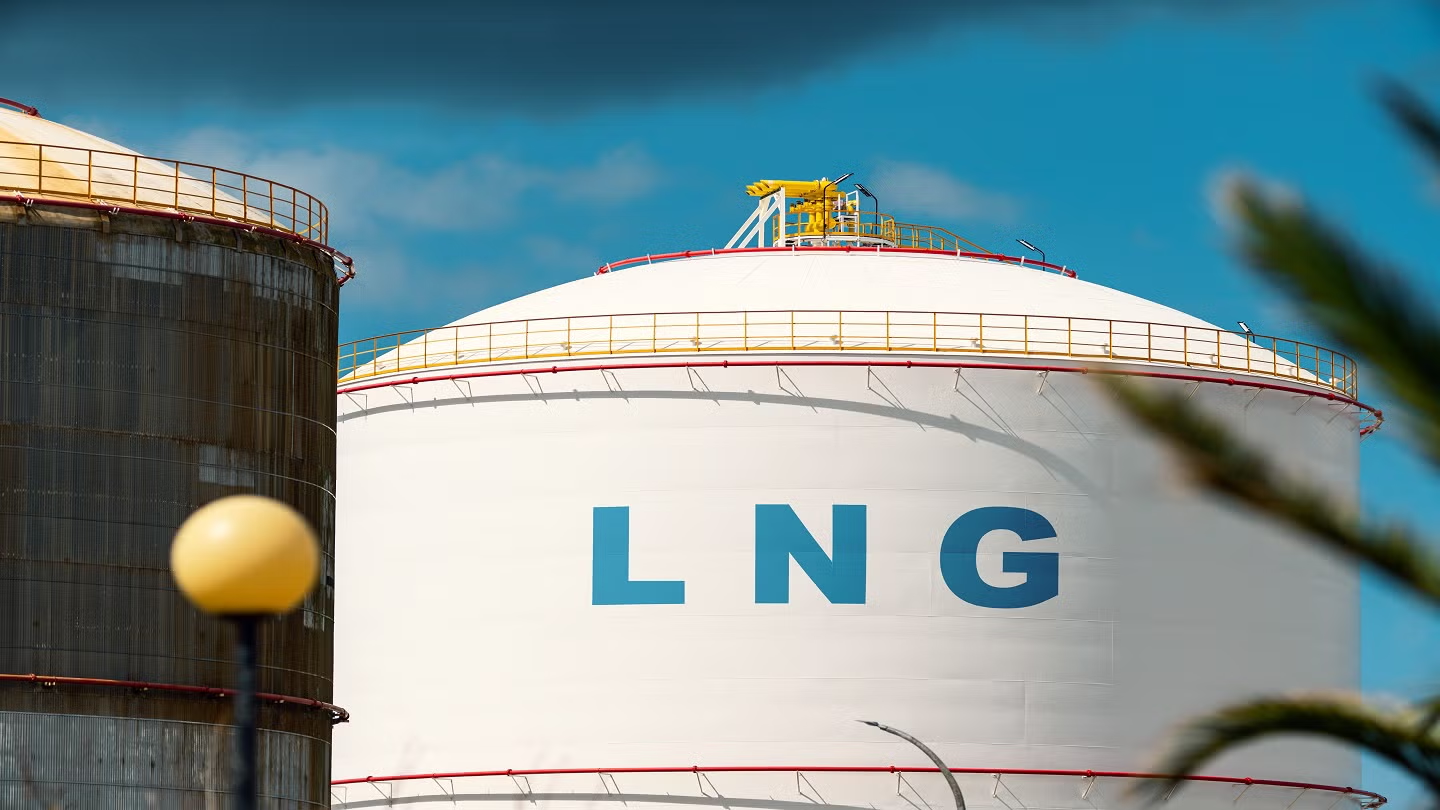
DAR ES SALAAM, Tanzania — A wave of investment is building around Tanzania’s most ambitious energy project: turning its vast offshore gas reserves into fuel for its own economy. After decades of planning for major export terminals, the government’s decisive push to use natural gas at home is now drawing serious investor interest, with companies from India and beyond seeking a stake in building the national distribution network.


The latest signal came this month when Indian firm HCG Gas Ltd formally expressed interest in developing city gas and compressed natural gas (CNG) infrastructure, following a targeted outreach tour by Tanzanian officials. This is not an isolated proposal but part of a calculated national strategy to finally harness the country’s 57 trillion cubic feet of proven natural gas for domestic development.
From Export Dream to Domestic Reality
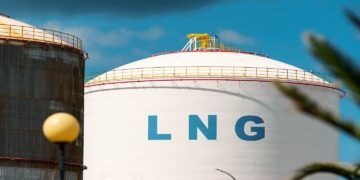
For years, Tanzania’s gas story centered on large-scale liquefied natural gas (LNG) plants aimed at markets in Asia and Europe. While those multi-billion dollar export projects continue, a more immediate plan has taken center stage. The government is prioritizing a “virtual pipeline” — a system to transport gas by road and rail — to fuel industries and households far from the coastal source.
This shift is already moving from plan to action. In early 2025, the state-run Tanzania Petroleum Development Corporation (TPDC) signed a landmark deal worth between $80 and $200 million with a consortium to begin nationwide CNG distribution to inland cities like Dodoma and Mwanza within 12 months.
The CNG Revolution Hits the Road
The most visible sign of change is on Tanzania’s streets. The government has set a bold goal for the majority of vehicles to run on cheaper, cleaner CNG by 2050. To get there, it is fast-tracking permits and offering tax breaks to build filling stations.
The rollout is underway:
- Dar es Salaam currently has 11 operational CNG stations, with 5 more slated to open by year’s end.
- Major players like TAQA Dalbit and Puma Energy are investing in new stations.
- The public transport fleet is leading the charge, with 210 CNG-powered buses already in service in the Dar es Salaam Rapid Transit (DART) system.
Why Investors Are Paying Attention
International firms like HCG Gas are looking at Tanzania’s city gas market because the fundamentals are strong. Analysts point to rapid urbanization, population growth, and consistent government policy as key drivers. The domestic plan also tackles critical national issues, aiming to provide cleaner cooking fuel to reduce deforestation and help achieve 100% village electrification by 2028.
The expression of interest from HCG Gas is a clear marker that global investors see Tanzania’s domestic gas strategy as a viable, bankable opportunity. It signifies a move beyond exploration and export talks toward the tangible, ground-level work of building pipes and stations that will directly power the Tanzanian economy for decades to come.