












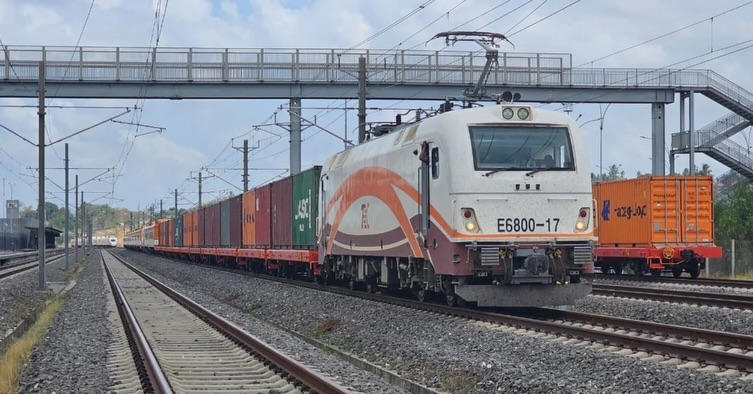
DAR ES SALAAM, Tanzania – Tanzania has officially launched container transport services on its electric-powered Standard Gauge Railway (SGR), marking a significant step in modernizing the nation’s logistics infrastructure and opening new opportunities for investors in transport, logistics, and supply chain services.


The first electric container train departed from Pugu in Dar es Salaam to Ihumwa in Dodoma Region, covering approximately 420 kilometres in what railway officials describe as a milestone expansion of the SGR’s commercial operations.
Speaking during the inauguration, the Tanzania Railways Corporation (TRC) Acting Director of Transport Services,Mr.Focus Sahani said the initiative builds on earlier passenger and freight operations and highlights the rail operator’s commitment to expanding cargo capabilities. The inaugural train included 50 wagons carrying 100 containers, with GSM Group as the first commercial customer.
“Today, we have expanded our business scope by introducing containerised cargo services… This is about velocity and volume… and we have received strong commitment from our first client,” Mr Sahani said.
Enhancing Logistics and Reducing Costs
The launch of electric-powered container freight marks a structural shift in how cargo moves from the Port of Dar es Salaam to inland markets. By transporting 100 containers in a single trip from Pugu to Ihumwa at speeds of up to 120 km/h, the Standard Gauge Railway (SGR) immediately removes the equivalent number of heavy-duty trucks from the highway easing congestion, cutting transit delays, and significantly lowering carbon emissions.
For port operations, the implications are substantial. Faster cargo evacuation reduces container dwell time and improves vessel turnaround efficiency, directly strengthening the competitiveness of Dar es Salaam as a gateway port for regional trade. Logistics bottlenecks that historically diverted cargo to competing ports could now be structurally addressed through predictable, high-capacity rail movement.
Unlike road freight, which is vulnerable to traffic congestion, axle-load restrictions, and fuel price volatility, the electric SGR offers schedule reliability and economies of scale. Rail freight on the electrified corridor is projected to be significantly more cost-efficient than road transport, lowering logistics expenses for importers and exporters savings that ultimately translate into reduced prices for end consumers.
Investment Opportunities for Locals and Foreign Investors
The introduction of containerised rail services presents direct investment opportunities in:
- Inland Container Depots and logistics parks
- Rail-linked warehousing and distribution centres
- Technology and digital cargo tracking solutions
- Public-private partnership (PPP) models for multimodal transport hubs
Improved rail freight services also support Tanzania’s positioning as a regional trade gateway, particularly as the SGR network continues to expand. The enhanced connectivity between the coast and inland regions encourages enterprises to shift from road to rail, delivering cost efficiencies and expanding market reach.
By offering safer, more efficient, and cost-effective freight alternatives, the electric SGR container service is expected to play a key role in boosting Tanzania’s competitiveness in East and Central Africa’s logistics and export landscape.