









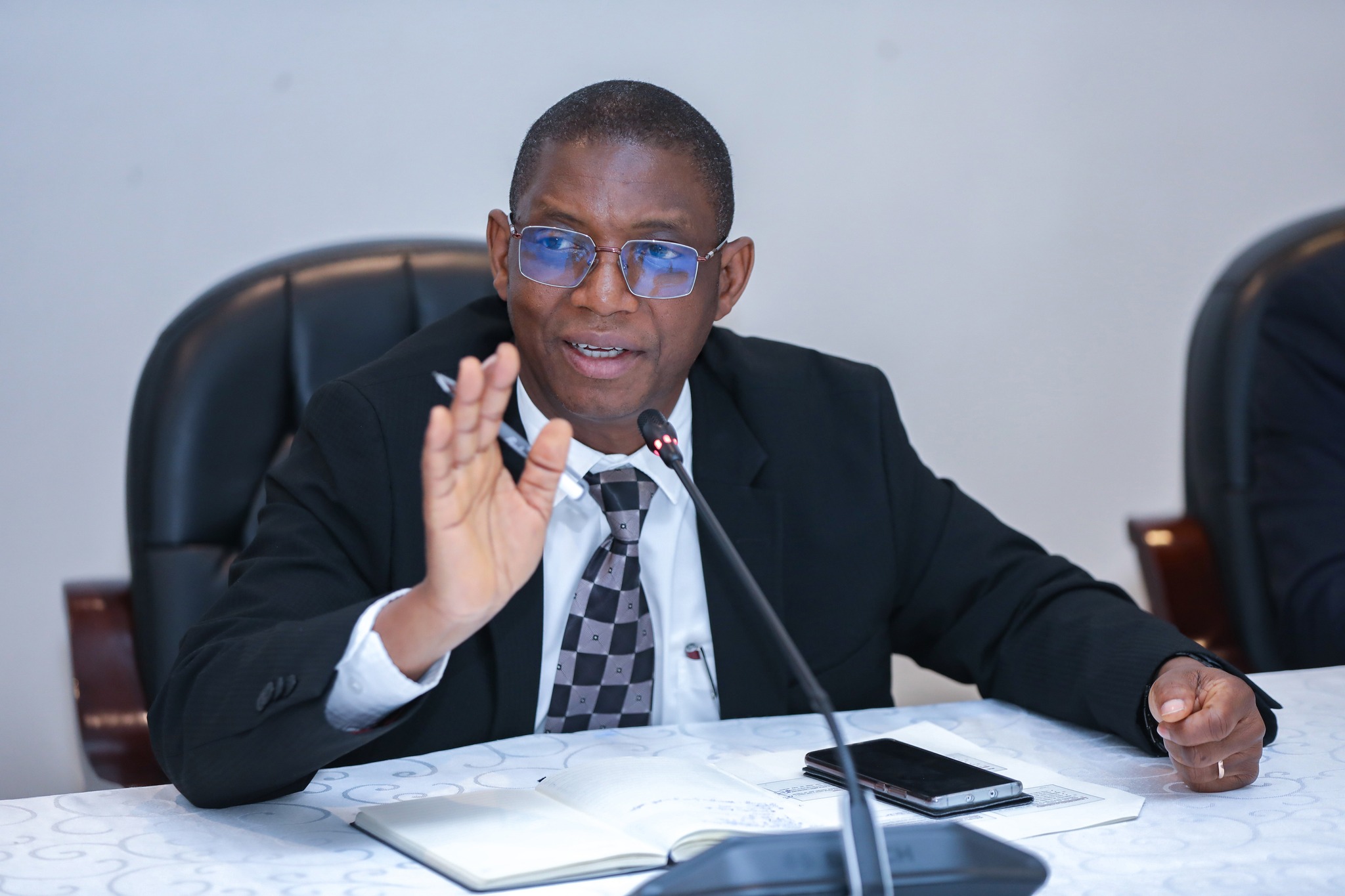
MWANZA, Tanzania – In a strategic move to fortify its economic foundations, the Bank of Tanzania (BoT) has successfully purchased 15.37 tonnes of high-purity gold in the first year of its national gold acquisition program, marking a major leap in securing the country’s financial future.


The milestone, announced by BoT Governor Emmanuel Tutuba on Friday, represents a significant achievement in Tanzania’s quest to diversify its foreign exchange reserves and enhance the stability of the national currency.
Strengthening National Reserves
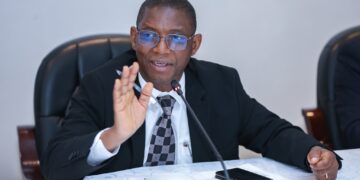
“The amount collected represents a strong and promising start for the programme,” Governor Tutuba stated during a tour of gold refining facilities in Mwanza and Geita regions with the bank’s Board of Directors. “Reaching this level within a year is a major accomplishment.”
The central bank’s initiative, formally launched in October of last year, focuses on acquiring gold refined to internationally recognized purity levels of 99.99 percent. This high-grade monetary gold is now being held in Tanzania’s monetary gold account at the Bank of England, providing a solid foundation for the country’s foreign reserves.
Diversifying Economic Security
Governor Tutuba emphasized that the gold acquisition program complements the bank’s conventional reserve management strategies, which include holding reserves in various global currencies such as the US dollar, British pound, Chinese yuan, and euro.
“The bank’s main goal in purchasing gold includes increasing the country’s foreign exchange reserves and to diversify the composition of those reserves,” he explained, highlighting the strategic importance of maintaining part of Tanzania’s wealth in gold as a stable, tangible asset.
Building Domestic Capacity
The tour included visits to key refining facilities including Mwanza Precious Metals Refinery and Geita Gold Refinery (GGR), which play a crucial role in collecting gold from small-scale miners and refining it to international standards.
“We commend them for being at the forefront in collecting gold from small-scale miners and brokers and refining it to internationally accepted standards,” Tutuba said, noting that Eyes of Africa Refinery in Dodoma also contributes to ensuring gold meets required quality standards.
Supporting Economic Stability
The governor reiterated the central bank’s commitment to maintaining adequate foreign reserves to meet import demands, revealing that the bank had recently supported the foreign exchange market by selling $25 million to ensure importers have sufficient liquidity.
“By doing so, we continue to stimulate business growth from micro-enterprises and wholesale businesses to large corporations and ultimately strengthen our economy,” Tutuba stated. “Our goal is to ensure Tanzania becomes one of the most stable and competitive economies in Africa and across the world.”
The board used the tour as an opportunity to engage with miners and mineral traders, gathering their recommendations to address challenges in the sector and enhance participation, particularly in the context of President Samia Suluhu Hassan’s efforts to improve Tanzania’s investment climate.
The successful first year of gold accumulation positions Tanzania among a growing number of African nations strategically building gold reserves to strengthen economic sovereignty and buffer against global financial volatility.