










DAR ES SALAAM – The Tanzanian government is implementing a comprehensive strategy to expand and enhance higher education institutions across all regions, creating more academic opportunities for citizens while aligning curricula with contemporary economic needs.


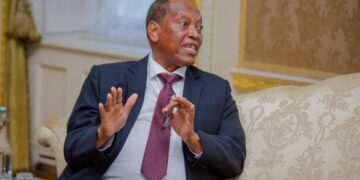
Speaking at the Fifty-First Graduation Ceremony of the Institute of Financial Management (IFM), Elijah Mwandumbya, Deputy Secretary General of the Ministry of Finance, detailed the government’s multi-faceted approach to educational development. Representing Finance Minister Khamis Mussa Omar, Mwandumbya highlighted several key initiatives driving this transformation.
“The government has implemented and continues to implement various projects to improve education to boost the economy,” Mwandumbya stated. “This growth is evident through the presence of the BEST SCHOOL project, the Teacher Education Development Project (TESP), the Secondary Education Strengthening Project (SEQUIP), the Empowerment through Skills Project (ESP), and the Higher Education for Economic Transformation Project (HEET), among others.”
The government’s commitment extends beyond infrastructure development to encompass curriculum modernization that responds to technological advancements and market demands. Mwandumbya specifically commended IFM for adapting to the evolving educational landscape.
“I continue to congratulate you after hearing that you are about to start providing training through blended learning approaches, and especially after completing improvements to your curricula,” he noted. “Today’s education requires better IT systems to help reach more people.”
IFM Dean Professor Josephat Lotto elaborated on the institution’s specific initiatives to stay current with industry needs. “The college has introduced specialized courses including cybersecurity, data analysis, and accounting technology to respond to sectoral challenges,” Professor Lotto explained during his welcoming address to the chief guest.
The government’s strategic focus on education modernization reflects a broader recognition that quality, accessible education serves as a critical foundation for national economic development. By expanding institutional capacity while ensuring curricula remain relevant to contemporary workforce demands, Tanzania aims to equip its citizens with the skills necessary to compete effectively in an increasingly digital global economy.