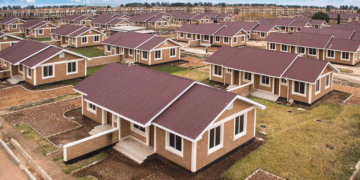













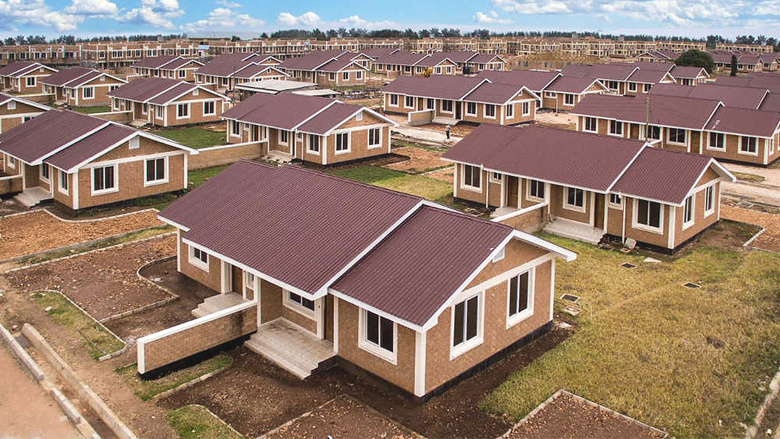
DAR ES SALAAM, Tanzania – Tanzania will require 26.8 million housing units by 2050 to serve a projected population of 118.1 million people, creating one of Africa’s most significant investment opportunities in affordable housing, according to the Ministry of Lands, Housing and Human Settlements Development.


The announcement was made during a high-level housing seminar attended by Tanzanian officials and international investors in July 2025, where Minister Deogratius Ndejembi outlined the government’s strategy to address the country’s rapidly growing housing deficit.
Unprecedented Housing Demand
The scale of Tanzania’s housing challenge is unprecedented in East Africa. Current data reveals the country faces a housing deficit of 3 million units, with demand growing at approximately 200,000 units annually. This demand is driven by rapid urbanization, with the urban population rate expected to reach 59% by 2050, up from 34.9% in 2022.
“Growth is no longer limited to major cities such as Dar es Salaam and Mbeya, but is increasingly visible in cities like Geita, Katavi, and Mpanda,” Minister Ndejembi stated. “To accommodate this growth, we are encouraging investment in affordable housing and urban infrastructure.”
Government Incentives and Reforms
To attract both local and international investors, the government has implemented significant reforms including tax exemptions for low-cost housing projects valued below TZS 50 million and the introduction of an updated National Land Policy to facilitate land access and strengthen tenure security.
The government’s strategy prioritizes public-private partnerships to increase housing supply, particularly targeting fast-growing urban areas where the housing shortage is most acute. Current initiatives focus on expanding access to affordable housing while improving urban planning across the country.
Investment Opportunities
The housing sector presents substantial opportunities in construction, materials manufacturing, and urban infrastructure development. With mortgage penetration remaining below 1% of GDP and most Tanzanians relying on informal financing methods, there is significant potential for innovative financing solutions and construction technologies that can reduce costs and improve delivery efficiency.
International partners have expressed strong interest in collaborating on housing development projects, recognizing Tanzania’s position as one of the fastest urbanizing countries in Sub-Saharan Africa.