












MTWARA, Tanzania – Tanzania has announced a significant natural gas discovery in its southern Mtwara Region, marking a major step forward in the country’s efforts to expand its energy resources and meet growing domestic and regional demand.


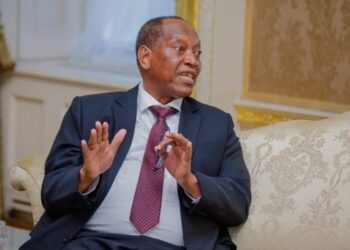
The discovery was confirmed during an inspection tour by Deputy Permanent Secretary in the Ministry of Energy, Dr. James Mataragio, who revealed that natural gas has been detected in water wells in Mnyundo and Mpapura villages within the Lindi-Mtwara Block.
Substantial Exploration Potential
“Preliminary studies indicate a high potential for natural gas discovery in the area,” Dr. Mataragio stated, noting that seismic data analysis shows up to a 32 percent probability of gas presence in the block. The exploration area covers approximately 736 square kilometers across 48 villages in Mtwara and Mtama District Councils.
The discovery comes as Tanzania experiences rising natural gas demand across multiple sectors, including industrial use, domestic consumption, and transportation. This has prompted intensified government efforts to expand exploration and development of energy sources in line with the National Development Vision 2050.
Parallel Expansion at Mnazi Bay
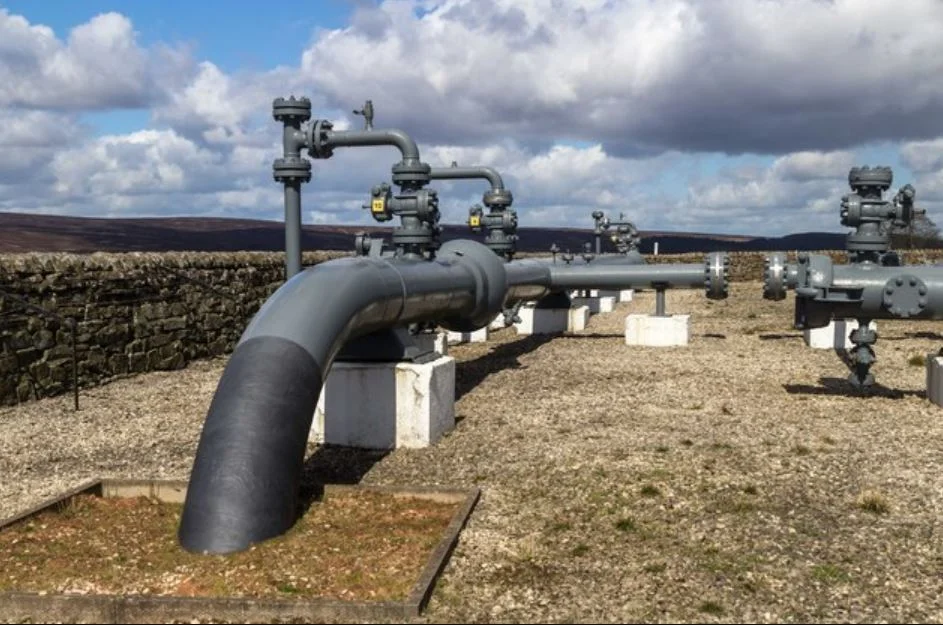
Alongside the new discovery, Dr. Mataragio inspected the gas production expansion project at Mnazi Bay, which has reached 68 percent completion in its preparation phase. The project involves three natural gas wells, with expectations to increase production by an average of 45 million cubic feet per day from two of the wells. The third well will be utilized for further exploration within the block.
The Deputy Permanent Secretary directed the Tanzania Petroleum Development Corporation (TPDC) to ensure all projects adhere to established schedules, emphasizing the strategic importance of timely energy infrastructure development.
Strategic Context and Implications
This discovery supports Tanzania’s broader energy strategy, which has seen natural gas become increasingly crucial to the national grid. The resource currently supplies over 60 percent of Tanzania’s electricity and is gaining traction in transportation, with more than 1,000 public vehicles in Dar es Salaam having converted to Compressed Natural Gas (CNG).
The findings also strengthen Tanzania’s position as a potential regional energy hub, with neighboring countries like Kenya, Malawi, and Zambia representing potential markets for future gas exports through cross-border pipelines or liquefied natural gas (LNG) facilities.
The new discovery follows recent government efforts to accelerate oil and gas exploration, including Energy Minister Deogratius Ndejembi’s recent directive to the Petroleum Upstream Regulatory Authority (PURA) to devise strategies for speeding up exploration in various blocks, including Ruvu, Mkuranga, and Tanga.
As Tanzania prepares for its fifth licensing round for oil and gas exploration blocks, these developments underscore the country’s commitment to leveraging its natural resources to drive economic growth and achieve energy self-sufficiency.