











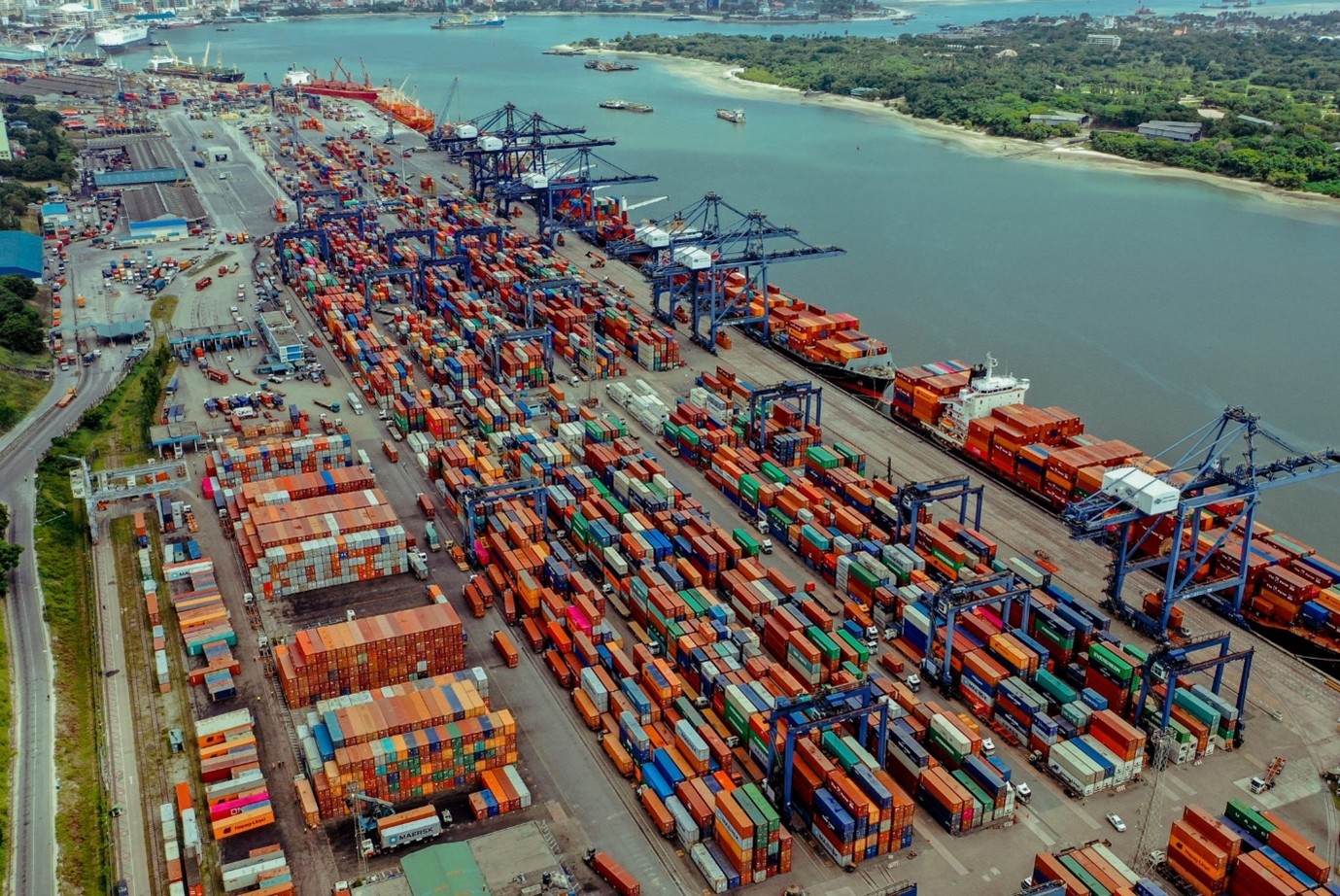
DAR ES SALAAM, The Tanzania Ports Authority (TPA) has suspended the implementation of its new Port Infrastructure Development (PID) levy until July 1, 2026, following strong concerns from traders and logistics stakeholders that the additional charge could increase the cost of doing business through Tanzanian ports.


Initially, the levy was expected to take effect earlier in 2026 as part of efforts to raise revenue for port infrastructure development. However, feedback from importers, exporters, and transport companies prompted authorities to review the timeline and provide additional time for businesses to adjust. As a result, the temporary suspension offers immediate relief to companies operating through Tanzania’s maritime gateways.
Relief for Trade and Logistics
In the short term, importers and exporters will continue operating under the existing tariff structure, allowing businesses to maintain stable logistics costs. Consequently, companies involved in shipping, freight forwarding, and regional trade can plan their operations without facing unexpected financial pressure.
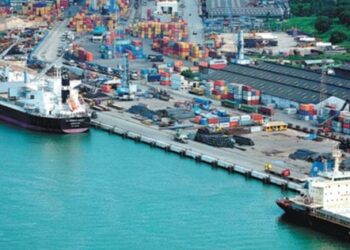
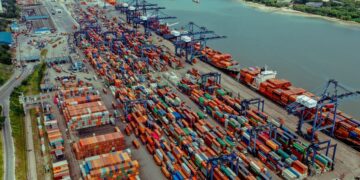
Furthermore, stable port charges help preserve Tanzania’s competitiveness within the East African logistics market. The Port of Dar es Salaam, operated by the Tanzania Ports Authority, serves not only Tanzania but also several landlocked economies across the region. For instance, countries such as Zambia, Malawi, Burundi, Rwanda, and the Democratic Republic of Congo rely heavily on Tanzania’s ports for access to global markets; thus, any adjustment in port charges can have a direct impact on regional trade flows and supply chains.
Government Signals Responsiveness
The decision to delay the levy reflects the government’s willingness to respond to private sector concerns. According to TPA Director General, Plasduce Mbosa, the extension allows businesses to honour existing contracts while preparing for future tariff adjustments.
“The extension allows service providers to fulfil the terms of existing contracts with their clients within the remaining period up to June 30, 2026,” Mbosa explained.
Moreover, this policy adjustment sends a positive signal to investors who prioritize regulatory predictability when selecting logistics and trade hubs. In particular, multinational shipping firms and supply chain investors closely monitor tariff policies when deciding where to expand operations.
Infrastructure Modernisation Remains a Priority
At the same time, the government has emphasized that the levy remains part of a long-term strategy to finance port modernization. Specifically, the proposed funds are intended to support infrastructure upgrades, including expanded cargo handling capacity, new berths, and improved port efficiency.
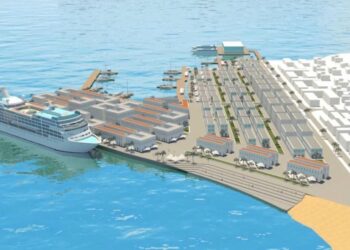
In addition, Tanzania has been investing heavily in logistics infrastructure to strengthen its role as a regional gateway. Planned developments include modernization projects at the Port of Dar es Salaam and future expansion initiatives such as the proposed Bagamoyo Port.
Ultimately, these projects aim to accommodate growing cargo volumes and attract international investment into Tanzania’s maritime sector.
Opportunities for Investors
From an investor perspective, the temporary suspension of the PID levy creates several strategic opportunities:
- Lower Operational Costs: Businesses benefit from stable logistics expenses in the short term.
- Policy Responsiveness: Authorities have demonstrated flexibility in addressing private sector concerns.
- Regional Trade Hub: Tanzania continues strengthening its position as a gateway to East and Central Africa.
- Infrastructure Pipeline: Long-term port modernization projects remain underway.
Overall, the postponement of the PID levy reflects Tanzania’s effort to balance infrastructure financing with the need to maintain a competitive and business-friendly trade environment. Going forward, investors and logistics operators will likely monitor how the policy evolves ahead of the July 2026 implementation date.