










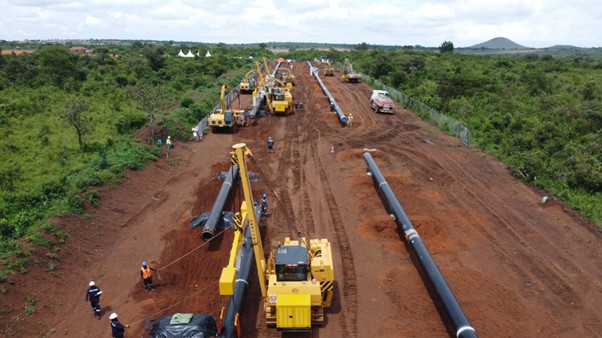
DAR ES SALAAM. Tanzania’s energy sector is entering a pivotal transition as major projects move from construction into operation, marking the start of revenue generation after years of heavy capital investment.


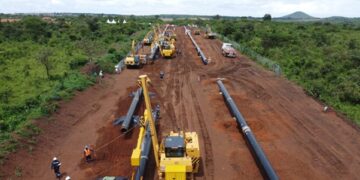
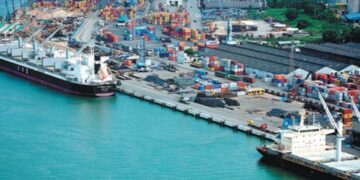
At the centre of this shift is the East African Crude Oil Pipeline (EACOP), now 79% complete, with first oil exports expected in late 2026. The pipeline will establish a new crude export corridor through the port of Tanga, positioning Tanzania as a key transit hub in East Africa’s energy landscape.
From Build‑Out to Cash Flow
The pipeline’s progress reflects a broader trend across Tanzania’s energy sector: a transition from project development to asset monetisation.
For much of the past decade, investment has been concentrated in large‑scale infrastructure; pipelines, gas fields, and power generation. As these assets come online, the focus is shifting toward operational efficiency, throughput volumes, and revenue capture.
Officials at the Ministry of Energy say the next phase will prioritise maximising returns from existing investments while expanding downstream industries.
“The emphasis now is on ensuring these projects translate into tangible economic benefits, including export earnings, industrial growth, and job creation,” an official noted.
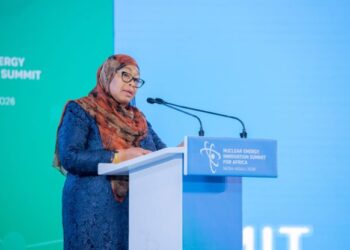
Minister of Energy, Dr. Doto Mashaka Biteko, has previously emphasised that major energy projects must translate into “economic value through exports, industrialisation, and job creation,” reflecting the government’s focus on moving from investment to returns.
Gas‑to‑Power and Industrial Linkages
Beyond crude exports, Tanzania’s natural gas sector is also entering a more mature phase. Production from fields such as Songo Songo and Mnazi Bay continues to support domestic electricity generation and industrial use.
The increased availability of gas is expected to:
- Lower energy costs for manufacturers
- Improve power reliability
- Support expansion in energy‑intensive industries
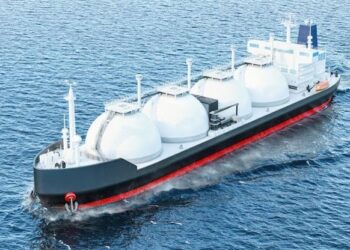
Meanwhile, negotiations on a long‑anticipated liquefied natural gas (LNG) project are progressing, potentially unlocking a multi‑billion‑dollar export market in the coming years.
Downstream Opportunities Expand
As upstream and midstream assets become operational, downstream investment opportunities are opening rapidly.
These include:
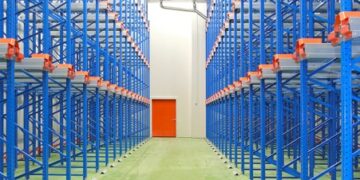
- Storage and terminal infrastructure
- Oil and gas logistics services
- Refining and petrochemicals
- Engineering and maintenance services
Regional discussions around a potential oil refinery in Tanga further highlight efforts to capture more value within the region rather than exporting raw resources.
Investor Lens: Shift to Predictable Returns
For investors, the transition into a cash‑flow phase represents a structural shift in risk and return dynamics.
Rather than high‑risk construction exposure, the sector is moving toward:
- Stable, long‑term revenue streams
- Contract‑based service opportunities
- Public‑private partnerships tied to operational assets
This makes Tanzania’s energy sector increasingly attractive to institutional investors, infrastructure funds, and strategic operators seeking predictable yields.
Regional Positioning Strengthens
With pipeline infrastructure, gas resources, and port access converging, Tanzania is strengthening its position as a regional energy and logistics hub, linking inland producers and consumers to global markets.
The integration of energy infrastructure with transport corridors is expected to:
- Boost export volumes
- Improve regional trade efficiency
- Enhance Tanzania’s role in East African energy security
Growth Prospects
As the East African Crude Oil Pipeline approaches completion and gas investments mature, Tanzania’s energy sector is transitioning into a revenue‑generating engine of the economy.
For investors, the message is clear: The sector is no longer defined by future potential, it is entering an execution phase where infrastructure begins to generate real cash flows, opening scalable opportunities across the entire energy value chain.