










Tanzania has been steadily building its economy by developing structured industrial zones. These are Export Processing Zones (EPZs) and Special Economic Zones (SEZs), which are designed to make it easier and more attractive for businesses to invest and operate. These zones are overseen by Tanzania Investment and Special Economic Zones Authority (TISEZA), the government body responsible for coordinating investment, licensing, and incentives.


Understanding EPZs and SEZs
Export Processing Zones (EPZs) focus on manufacturing for export. Companies operating in EPZs are expected to produce goods mainly for international markets. These zones are ideal for industries such as textiles, agro-processing, and light manufacturing, where export competitiveness is key.
Special Economic Zones (SEZs) are broader. They accommodate a mix of activities including manufacturing, logistics, agriculture, tourism, and commercial services. SEZs are designed to integrate multiple sectors, allowing businesses to operate from raw material processing to finished goods and distribution.
This structure allows Tanzania to target both export-driven industries and wider economic development at the same time.
Key Economic Zone Locations;
- Bagamoyo Eco Maritime City (BEMC): Located north of Dar es Salaam, designed for industrial and commercial growth.
- Kwala Special Economic Zone: Located in the Coast Region, connected to the Standard Gauge Railway (SGR).
- Nala Special Economic Zone: Situated in Dodoma, aimed at attracting investment in industrialization.
- Buzwagi Special Economic Zone: Located in Kahama, targeting trade with neighboring countries like DRC, Rwanda, and Burundi.
- Benjamin William Mkapa Special Economic Zone.
- Regional Special Economic Zones: Include Mtwara, Tanga, Bunda-Mara, and Manyara.
Investment Advantages of Tanzania’s Economic Zones
The main attraction of EPZs and SEZs lies in the incentives and operational advantages offered by the government.
Under the Investment and Special Economic Zones Act No. 6 of 2025, investors benefit from:
–Reduced corporate taxes during the initial years of operation.
-No customs duty or VAT on machinery, raw materials, and capital goods.
-Faster licensing, fewer bureaucratic steps, and centralized support through TISEZA.
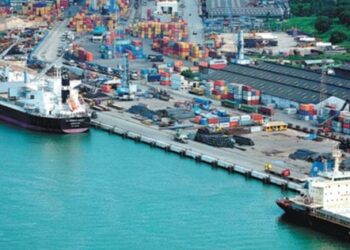
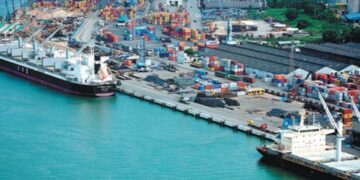
-Ready access to roads, utilities, ports and rail connections.
These measures are designed to reduce startup costs and improve business efficiency.
In conclusion, Tanzania has established clear and structured entry requirements to ensure that EPZs and SEZs contribute meaningfully to sustainable economic growth. Eligible investments must be new ventures, incorporate modern technology and efficient production systems, and comply with established environmental and sustainability standards. Through this framework, Tanzania aims to foster an export-driven economy that supports job creation, industrial development, and long-term economic resilience.