





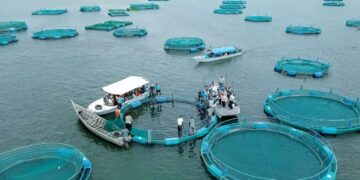



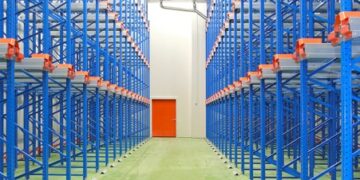



Agriculture remains the backbone of Tanzania’s economy. Estimates show that around two-thirds of Tanzanians depend on agriculture for their livelihoods, particularly in rural areas. According to data from the National Bureau of Statistics (NBS) Tanzania, the sector supports millions of livelihoods while contributing significantly to the country’s Gross Domestic Product (GDP). The agricultural sector in Tanzania is made up of four major subsectors. Crop production, livestock, forestry and fisheries. These supply foods, create employment and provide raw materials for industries both domestically and internationally.


Agricultural Land and Production Potential
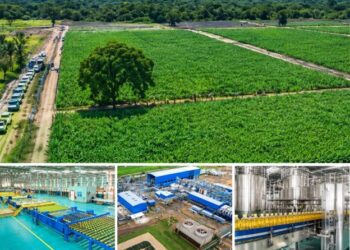
The country possesses more than 44 million hectares of arable land. Only about one-third of this land is currently utilized for cultivation. This underutilization of land means there is a potential for expansion and investment in farming activities. Also, 29.4 million hectares are suitable for irrigation, offering major opportunities for large scale commercial farming.
Agricultural Exports and Foreign Exchange
Agriculture is also a major source of export earnings for Tanzania. Key export crops include coffee, tea, cashew nuts, cotton, tobacco, cloves and horticultural products. Tanzania’s agricultural products benefit from access to several international markets through trade agreements and regional partnerships.
Major export destinations include the European Union (EU), Middle Eastern markets, Asian markets, the East African Community (EAC) and the Southern African Development Community (SADC).
Investment Framework, Laws and Labor
Tanzania provides a secure investment environment underpinned by the 1977 Constitution, which guarantees property rights. The government’s commitment to investment is demonstrated through supportive legislation, economic reforms and growing foreign direct investment, with institutional support available from the Tanzania Investment and Special Economic Zones Authority (TISEZA) and other agencies. Tanzania is a signatory to international agreements such as the Multilateral Investment Guarantee Agency (MIGA) and the International Centre for Settlement of Investment Disputes (ICSID). All these encourages foreign investment in developing countries by protecting investors against non-commercial risks.
Agricultural Sector Incentives
The Tanzanian government offers a competitive package of incentives specifically for the agricultural sector to encourage foreign trade and production. These include zero-rated customs duties on capital goods and farm inputs such as machinery, fertilizer and pesticides. Investors with a TISEZA certificate of incentives can access reduced import tariffs and favorable investment allowances . This includes a 100 percent capital allowance for land clearing and irrigation systems. The sector benefits from VAT deferments on capital goods, zero-rated VAT on exports and reduced withholding tax rates on dividends for listed companies.
Strategic advantage to investors
Tanzania offers strong strategic advantages for agricultural investment, making the sector highly attractive to both local and international investors. The country’s vast fertile land, favorable climate conditions and growing domestic and international food demand create a strong foundation for agribusiness expansion.
On that account, agriculture in Tanzania is a gateway to innovation, growth and sustainable wealth. With the right investment, modern technology and strategic planning, investors can unlock untapped potential while supporting communities and the economy. The future of farming in Tanzania is promising.