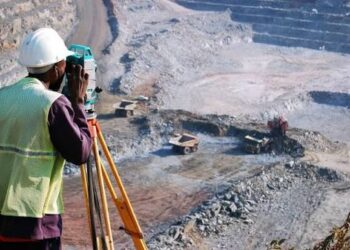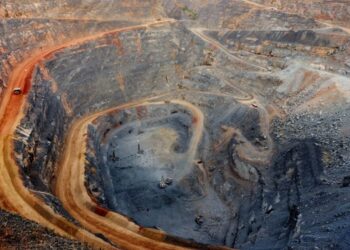











Mbeya– Tanzania has taken a step toward becoming a key player in the global critical minerals value chain. The agreement to develop the Panda Hill Niobium Project was signed on 24 March 2026. The TZS 700 billion investment, in partnership with U.S. based Denham Capital, signals a major shift toward industrial scale mineral development and value addition.


The project is set to position Tanzania as the fourth largest global producer of niobium. Capturing roughly 4% of the global market, annual production is projected at around 100,000 tonnes, supported by the construction of Africa’s first ferroniobium plant in over four decades. Beyond production, the development is expected to create approximately 7,000 jobs, both directly and indirectly, while unlocking an estimated USD 1.77 billion in local procurement opportunities. The government will also retain a 16% free carried interest, ensuring national participation in long-term returns.
Strategic Importance of Niobium
Niobium is a critical mineral used in strengthening steel for large-scale infrastructure, electric vehicles (EVs), aerospace technologies and advanced manufacturing systems. The global production is currently dominated by Brazil. Tanzania’s entry into this market introduces new supply dynamics and reduces global concentration risks.
This places Tanzania at the center of emerging industrial trends, particularly the transition to clean energy and the expansion of high-performance materials. It aligns with the country’s industrialization agenda under President Samia Suluhu Hassan, which emphasizes participation in high-value global supplies.
Driving domestic value
The Panda Hill project ensures that a larger share of value is retained domestically, fostering industrial growth and technological advancement. Tanzania strengthens its competitiveness while reducing reliance on external refining markets.
The project is expected to unlock opportunities for Tanzanian businesses across construction, engineering, logistics, transport, and technical services. Additional sectors such as catering, security, and support services will also benefit. This boosts domestic private sector participation and capacity building.
Investment Viewpoint
For investors, the project offers exposure to a high growth segment tied to infrastructure and advanced manufacturing. As global industries continue to prioritize resilient and diversified supply chains, Tanzania is positioning itself as a reliable and strategic partner in the evolving critical minerals landscape.