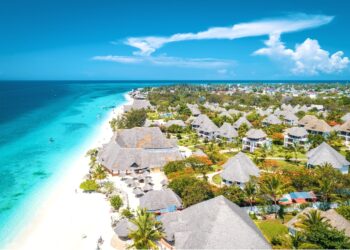














Tanzania’s tourism sector has emerged as the country’s leading source of foreign exchange, surpassing gold and reinforcing its growing importance to national economic development. According to official data, tourism revenues reached USD 3.92 billion in the year ending May 2025, marking a significant milestone for the sector and highlighting its resilience and growth potential.


The strong performance has been driven by rising international arrivals, improved air connectivity, targeted destination marketing, and sustained global demand for nature-based and cultural tourism experiences. Tanzania’s world-renowned attractions including national parks, wildlife reserves, and coastal destinations, continue to attract visitors from Europe, North America, Asia, and within Africa.
Government Calls for Increased Private Investment
In response to the sector’s expansion, the Government of Tanzania has intensified calls for private sector participation to support infrastructure development and service enhancement across key tourism zones. Particular attention has been directed toward the Ngorongoro Conservation Area, one of the country’s most iconic destinations and a UNESCO World Heritage Site.
Authorities have emphasized the need for investment in areas such as:
- • Eco-friendly accommodation facilities
- • Transport and access infrastructure
- • Sustainable waste management and utilities
- • Visitor services and digital tourism solutions
These investments are expected to support conservation objectives while improving visitor experience and extending economic benefits to surrounding communities.
Opportunities for Local and International Investors
The rapid growth of tourism has positioned Tanzania as an attractive destination for both domestic and foreign investors seeking long-term opportunities in hospitality, logistics, travel services, and supporting industries. Rising revenues indicate strong market demand, while policy reforms aimed at improving the business environment have enhanced investor confidence.
Local investors are increasingly participating through joint ventures, tour operations, accommodation services, and value-chain businesses, while international investors continue to explore opportunities in high-end lodges, aviation services, and destination management.
Contribution to Economic Diversification
Tourism’s rise as the leading foreign exchange earner underscores Tanzania’s broader efforts to diversify its economy beyond extractive industries. The sector supports employment across multiple skill levels, generates foreign currency, and stimulates growth in agriculture, transport, construction, and services.
With continued government support, infrastructure development, and responsible investment, tourism is expected to play a central role in Tanzania’s medium- and long-term development strategy.