












DAR ES SALAAM, Tanzania’s real estate market is expanding rapidly, but a widening gap between demand and supply spanning housing, financing, and land ownership, is creating both risks and significant market entry points for investors.


While Tanzania still trails regional leaders such as Kenya in mortgage depth and formal real estate financing, its lower entry costs and ongoing reforms are increasingly positioning it as a high-growth frontier market within East Africa.
Housing Deficit
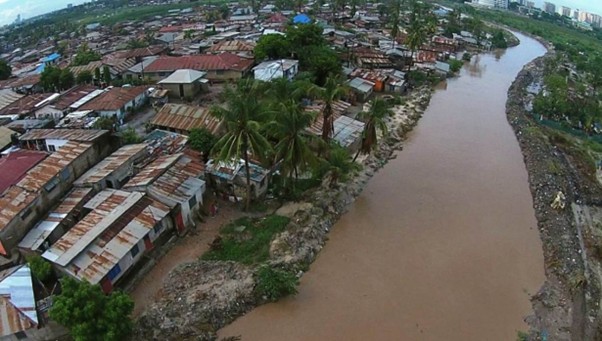
Cities such as Dar es Salaam and Dodoma face a growing shortage of housing, particularly in the affordable and middle-income segments. Demand for formal, planned developments continues to outpace supply, pushing many households into informal settlements.
Financing Constraints
At the same time, limited access to mortgage financing remains a major bottleneck. High interest rates and low mortgage penetration continue to place formal homeownership beyond the reach of most households, slowing the sector’s ability to expand inclusively.
Mortgage lending in Tanzania remains below 5% of GDP, significantly lower than in more developed markets and even below regional peers such as Kenya, highlighting the scale of untapped demand in the housing finance segment.
Land Titling and Formalisation
Compounding these challenges is the slow pace of land formalisation. Only about 11% of land parcels are formally titled, according to a 2025 study published in Land Journal, which estimates that roughly 1.31 million Certificates of Customary Right of Occupancy (CCROs) have been issued nationwide.
The absence of formal titles restricts the use of land as collateral, fuels disputes, and limits access to credit, creating a structural constraint for both local landowners and institutional investors.
Infrastructure and Commercial Property
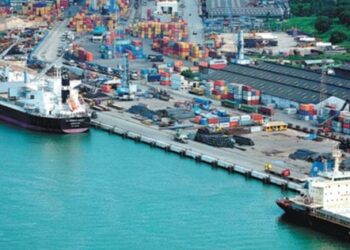
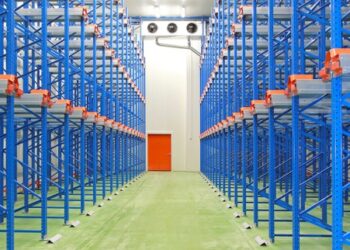
Meanwhile, major infrastructure projects including port expansion, transport corridors, and Dodoma’s administrative relocation, are reshaping land values. Yet logistics hubs, industrial parks, and commercial centres remain underdeveloped.
Tourism Real Estate
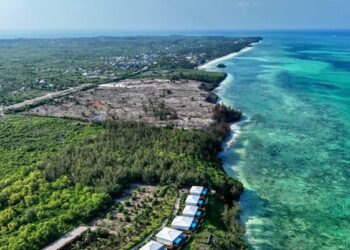
In the tourism sector, Zanzibar and southern circuit destinations continue to attract visitors, but tourism real estate beyond beachfront resorts is still underexploited.
Investor Opportunities
- Affordable and mid‑income housing projects
- Innovative financing models (rent‑to‑own, housing cooperatives)
- Partnerships in digital land registries and titling programmes
- Logistics hubs, industrial parks, and commercial property
- Hotels, eco‑lodges, and conference facilities in tourism zones
Local Benefits
- Expanded housing stock improves living standards
- Inclusive financing enables broader homeownership
- Secure land titles empower communities and unlock credit access
- Infrastructure projects create jobs and strengthen local economies
- Diversified tourism generates year‑round employment and cultural growth
Outlook
Tanzania’s real estate sector presents a dual narrative: structural constraints continue to pose risks, yet they also define the contours of future growth.
For investors, the opportunity lies in navigating these inefficiencies. For local communities, the stakes are equally high-ranging from improved living standards to stronger economic participation.