











Tanzania’s horticulture sector has rapidly evolved into one of the most attractive agricultural investment opportunities. This sub sector presents multiple entry points for both domestic and international capital.


High-value export products currently include: avocados, mangoes, green beans, baby corn, cut flowers and cuttings, pineapples, berries, spices and herbs.
Global demand for fresh and traceable produce continues to rise, particularly across Europe, the Middle East, and regional African markets. Tanzania is increasingly well-positioned to serve these markets due to its geographic location and favorable trade agreements.
The sector has also been prioritized under national development frameworks including the Tanzania Agriculture and Food Security Investment Plan (TAFSIP) and the Southern Agricultural Growth Corridor of Tanzania (SAGCOT), reflecting long-term institutional commitment to agricultural commercialization and export growth.
Demand Growth and Market Opportunity
Tanzania’s horticulture market is being shaped by two powerful forces: rising export demand and a persistent domestic supply deficit.
Tanzania continues to import a significant volume of fruits, vegetables, and spices that can be competitively produced within the country. Products such as garlic, onions, apples, grapes, strawberries, pears, and selected vegetables remain under-supplied locally.
At the same time, increased investment in juice and fruit-processing industries has intensified pressure on fresh produce supply chains. Growing industrial demand for fruits has contributed to tighter domestic availability and stronger market pricing creating immediate opportunities for commercial-scale producers.
This imbalance between supply and demand continues to support attractive margins across cultivation, aggregation, storage, distribution, and processing.
Tanzania possesses extensive arable land and diverse ecological zones suitable for horticultural production. High-altitude regions with cool temperatures, reliable rainfall, and fertile soils create ideal conditions for crops including flowers, avocados, berries, spices, and vegetable seeds.
The country’s southern and northern highlands are particularly attractive for export-oriented production due to their favorable growing environments.
Regional and Global Market Access
Tanzania benefits from direct access to regional and international markets through major transport infrastructure including: Dar es Salaam Port, Tanga Port, Julius Nyerere International Airport, Kilimanjaro International Airport and Songwe International Airport. Tanzania benefits from preferential trade arrangements and regional agreements that strengthen export competitiveness in global markets.
Government Support and Investment Incentives
The Tanzanian government has actively positioned agriculture and agribusiness as priority investment sectors. Investors may benefit from:
- Tax incentives and fiscal support
- Duty exemptions on capital equipment
- Investment facilitation through the Tanzania Investment and Special Economic Zones Authority (TISEZA).
- Access to agricultural financing institutions.
- Public-private partnership opportunities.
- Integration into SAGCOT development initiatives.
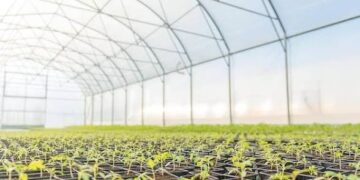
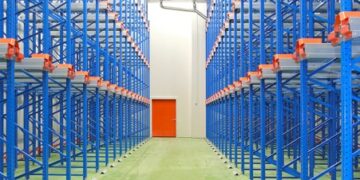
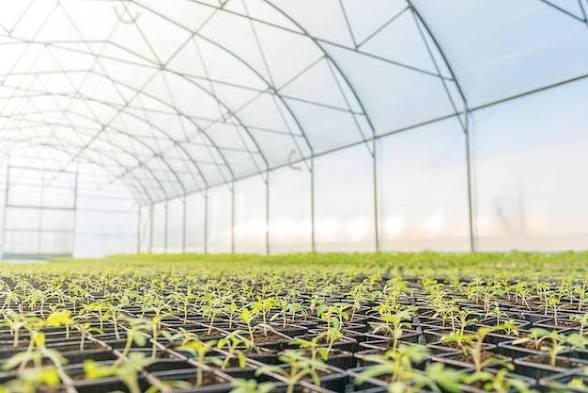
Investment opportunities extend well beyond primary farming operations. These opportunities include; commercial fruit and vegetable production, floriculture and seed production, irrigation systems, greenhouse farming, cold-chain logistics, packaging and processing facilities, export aggregation centers, agro-input distribution, food processing and value addition.
Therefore, as the sector matures, demand for modern agricultural technologies, storage systems, traceability solutions, and export infrastructure is expected to increase substantially.