












Tanzania’s small and medium-sized enterprises (SMEs) are set to receive a significant financing boost after NMB Bank secured more than Sh450 billion in funding agreements aimed at expanding business lending and strengthening financial inclusion across key sectors of the economy.


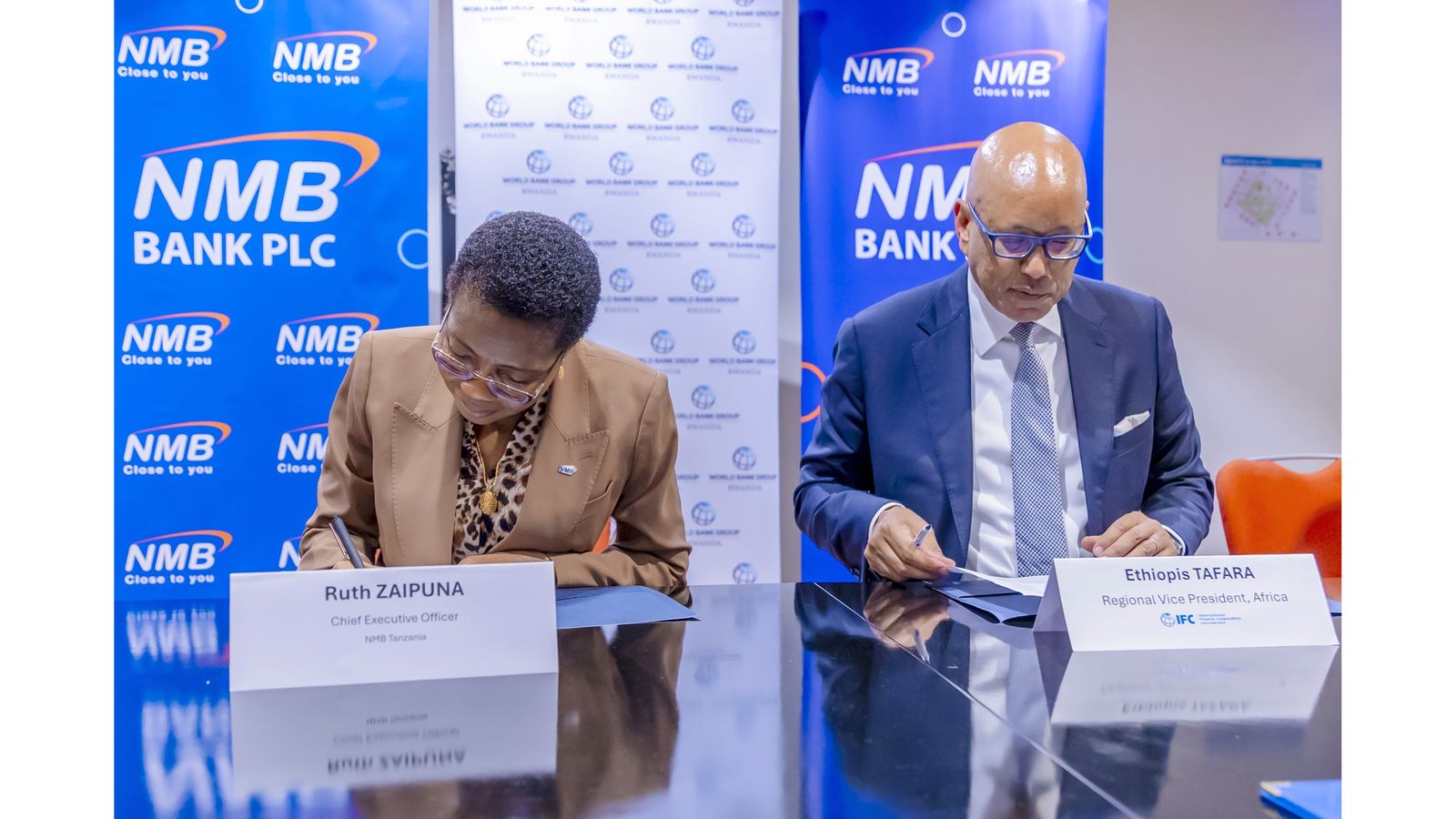
The agreements, signed during the Africa CEO Forum in Kigali, Rwanda, involve major international development finance institutions including the International Finance Corporation (IFC), British International Investment (BII), and Norfund. The funding is expected to increase access to credit for SMEs, agribusinesses, women-led enterprises, and youth entrepreneurs.
For many SMEs in Tanzania, limited access to affordable financing has remained one of the biggest barriers to growth. Small businesses often face difficulties securing capital needed for expansion, equipment purchases, inventory, and operational stability. The latest financing package is therefore expected to improve lending capacity and unlock new opportunities for entrepreneurs operating in both urban and rural markets.
Agribusiness SMEs are among the sectors likely to benefit most. Tanzania’s agriculture value chain continues to hold strong investment potential, but financing shortages have slowed expansion for farmers, processors, distributors, and exporters. Increased funding support could help businesses scale operations, improve productivity, and strengthen supply chains linked to food production and trade.
The participation of global institutions such as IFC, BII, and Norfund also signals growing international confidence in Tanzania’s private sector and banking industry. Part of the financing will reportedly be structured in local currency, helping reduce foreign exchange risks for businesses that generate revenues in Tanzanian shillings.
NMB Chief Executive Officer Ruth Zaipuna said the partnerships reinforce the bank’s commitment to supporting Tanzania’s economic transformation through inclusive and sustainable financing solutions.
The development comes as Tanzania continues positioning itself as a regional investment and business hub, with SMEs increasingly recognised as critical drivers of employment, innovation, and long-term economic growth.