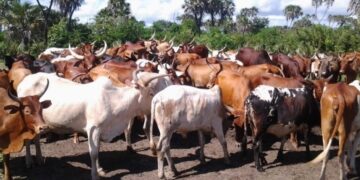









DAR ES SALAAM, Tanzania – Tanzania is leveraging its vast natural resources and strategic geographic position to emerge as a major player in the global livestock market, with projections showing domestic meat demand set to increase by 166% by 2030.


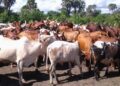
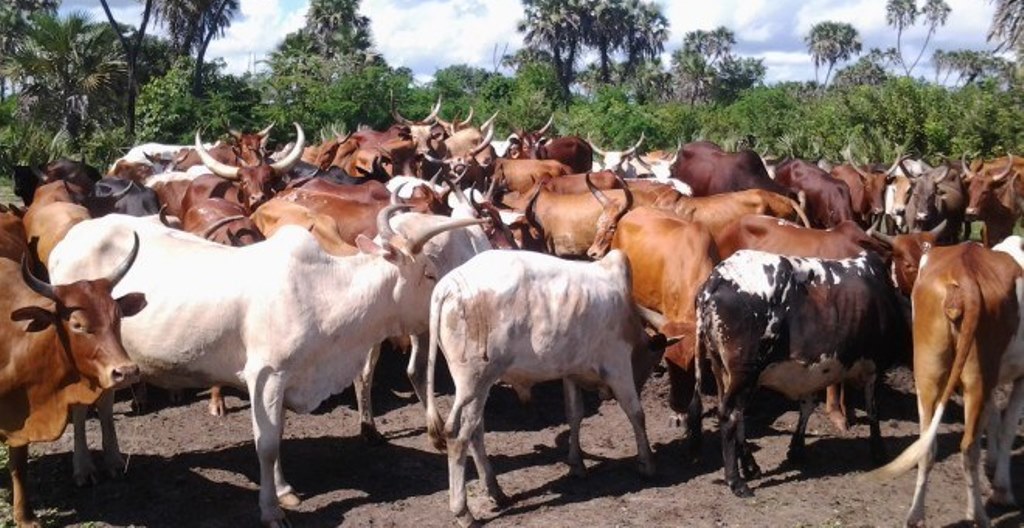
The country boasts the second-largest livestock population in Africa, supported by 60 million hectares of grazing land within its 88.6 million hectares of total land resources. This extensive rangeland, combined with resilient local livestock breeds and diverse natural vegetation, provides Tanzania with a competitive advantage in livestock development.
Meeting Soaring Domestic and Regional Demand
Current projections indicate that Tanzania’s local meat demand will surge from 290 million tons to 480 million tons by 2030, driven by population growth and increasing affluence. This dramatic increase in domestic consumption is creating significant investment opportunities across the livestock value chain.
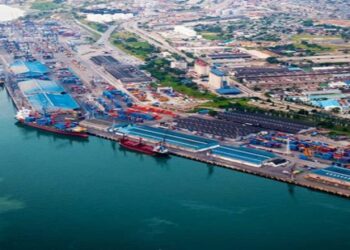
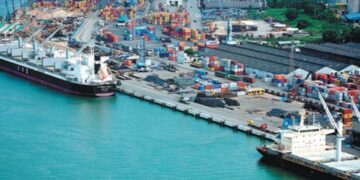
“All foundational economic indicators point to a dramatic increase in national, regional and global demand for Tanzanian livestock products,” stated a recent industry report. The country’s geography, linking east and southern Africa while providing coastal access to landlocked nations, positions Tanzania ideally to serve regional livestock markets.
Capitalizing on Global Market Shifts
International trade patterns are creating additional opportunities for Tanzanian livestock producers. Global meat trade has increased significantly, with numerous countries seeking to close their supply gaps through imports. Traditional meat exporters, particularly those in South America, face growing logistical challenges in supplying emerging growth markets in Africa, the Middle East, and Asia.
Tanzania’s potential extends beyond meat production, with the capacity to generate 4.0 million hides and 6.1 million skins annually. This represents substantial opportunity for leather and byproduct industries to develop alongside the meat production sector.
Investment Opportunities Across the Value Chain
The growing demand creates opportunities in multiple sectors:
- Livestock farming and breeding programs
- Meat processing and packaging facilities
- Cold chain infrastructure and logistics
- Leather and byproduct manufacturing
- Export-oriented meat trading companies
The Tanzanian government is prioritizing livestock development as part of its broader agricultural transformation agenda, recognizing the sector’s potential to contribute significantly to economic growth, job creation, and foreign exchange earnings.
As global demand patterns shift and domestic consumption rises, Tanzania’s extensive grazing lands and strategic location position the country to become a dominant force in African livestock production and a significant contributor to international meat markets