













Dar es Salaam — Tanzania’s long-term aspiration to become a $1 trillion economy by 2050 hinges not just on growth but on transforming how the government collects and manages revenue, finance officials say. Under the Tanzania Development Vision 2050, the government aims to reach upper-middle-income status with a per-capita income of roughly $7,000 — but doing so will require modern, inclusive tax reforms and stronger domestic revenue mobilisation.


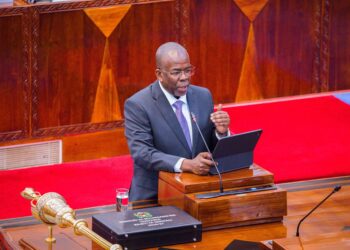
At the recent Tanzania Revenue Authority Innovation Awards in Dar es Salaam, Finance Minister Ambassador Khamis Mussa Omari stressed that tax reform must be a collective effort. “Improving revenue collection is not TRA’s responsibility alone. Let us have a system for gathering ideas and opinions from different people that can strengthen our institution,” he said, urging broader participation from the private sector, academia and the public.
Ambassador Omari underscored that growing domestic revenue is a shared national duty, saying “The duty to enhance our tax system and increase domestic revenue is ours collectively as Tanzanians. It is not the sole responsibility of the Tanzania Revenue Authority.”
The awards ceremony highlighted an innovation competition launched by TRA that attracted more than 5,800 ideas from citizens and staff aimed at boosting tax compliance, expanding the tax base and improving services. Selected winners are being awarded cash prizes to help develop practical solutions — such as KodiTrack, a digital platform designed to curb fake invoices and broaden revenue collection.
Officials say that modernising tax administration through digital systems and inclusive engagement will be critical if Tanzania is to fund infrastructure, social services and industrial development without excessive reliance on external borrowing. Analysts note that sustaining this momentum will require predictable policies, strong institutions and reforms that encourage — rather than deter — private sector growth.
In short, bold tax reform and broader public participation are being positioned as essential building blocks for steering Tanzania toward its ambitious economic goals by mid-century.