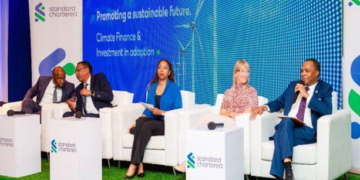











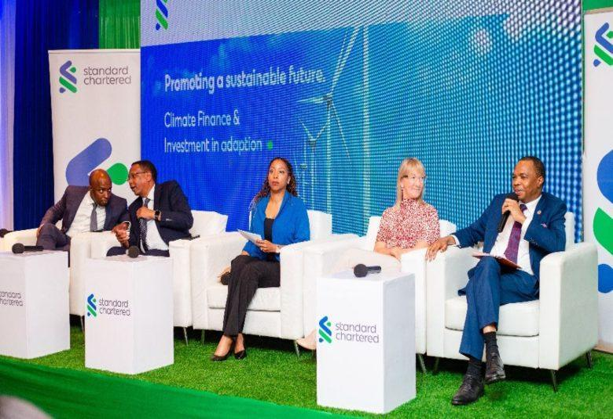
The majority of nations characterize a lack of funding as an issue. It is currently being referred to as a pipeline by Tanzania’s government and some of its largest banks. The message to international investors at the first Tanzania Climate Finance Roundtable, which took place in Dar es Salaam in early October, was straightforward: the nation has incurred costs for its climate plans, and roughly $12 billion of those costs remain unfunded.


The Numbers
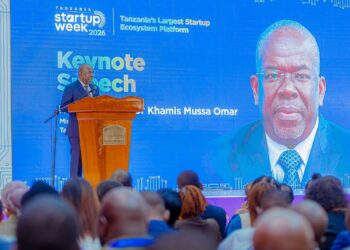
Finance Minister Khamis Mussa Omar stated that Tanzania requires $19.3 billion to carry out its second Nationally Determined Contribution (NDC 2.0), which represents its climate commitments under the Paris Agreement. This results in a funding shortfall of about $12 billion, which is more than 31 trillion Tanzanian shillings. Anna Wellenstein from the World Bank expressed it differently: only around one-third of the almost $20 billion needed has had funding sources recognized thus far.
The risks involve both economic and environmental factors. The World Bank’s Country and Climate Development Report indicates that insufficient measures against climate change may lower Tanzania’s economic growth by as much as four percent by 2050.
“Not Charity”
The significant aspect is the government’s framing. Minister Omar stated that climate action is integral to Tanzania’s broader development objectives and encouraged stakeholders to view climate finance as an investment in resilience, growth, and sustained economic prosperity rather than simply an environmental concern. Officials stated, “Climate finance is not a charitable act.” He also mentioned that the magnitude of the need surpasses what the government can fulfill independently, while pointing out that nearly three-quarters of the 2026/27 national budget is funded by domestic resources.
The government indicates it plans to bridge the gap using various strategies: local public funds, concessional loans, guarantees, blended financing, and investments from the private sector. The key sectors it identified for investors are
- Renewable energy and the energy transition
- Sustainable agriculture
- Green minerals
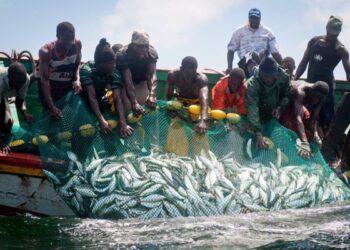
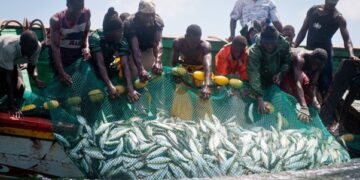
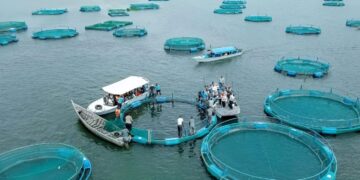
- The blue economy
- Water management, resilient infrastructure, and disaster preparedness
The Private Sector Responds
The most pertinent statement for investors was made by Dr. Abdulmajid Nsekela, managing director of CRDB Bank, who indicated that the $12 billion shortfall should be regarded as a significant investment opportunity instead of just a funding hurdle. He pointed out that the government has already recognized priorities and that recent budget distributions indicate climate risks are being tackled. He believes that the subsequent step is to distinctly outline the responsibilities of each institution and to guarantee the execution of the plans.
The World Bank is backing the foundational work. Reported assistance encompasses bolstering climate finance departments within the finance ministries of mainland Tanzania and Zanzibar, creating sustainable finance classifications, and enhancing carbon market frameworks. The IMF’s Resilience and Sustainability Facility is independently supporting reforms in climate governance, managing disaster risks, and planning public investments.
The Frictions Investors Should Know About
The roundtable did not pretend the path was smooth. Speakers raised several concerns:
- Debt-heavy finance: One speaker said too much climate finance arrives in the form of loans rather than grants, which adds to debt pressure.
- Slow access: Lengthy procedures for accessing international climate funds can delay responses to urgent risks.
- Project readiness: The World Bank called for stronger project prioritization and preparation and for matching financing instruments to the risks, revenues, and public value of each project.
- Global shortfall: Reporting notes that global climate finance has repeatedly fallen short of what was pledged, which is why Tanzania is looking beyond traditional donors.
How This Connects to the Rest of the Story
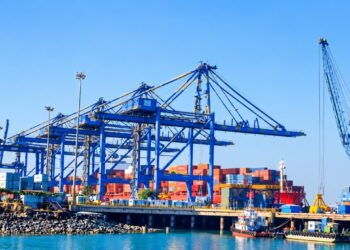
Tanzania’s climate requirements align with topics addressed this year: water security and El Niño flood alerts, the solar expansion in Kishapu, blue economy legal changes, and the modernization of the port. Every one of these represents, essentially, a project that might leverage climate finance. For investors, the pertinent question is which of them attains a bankable phase first.
The Broader Perspective
A $12 billion shortfall compared to a $19.3 billion plan is significant, yet it represents a clear, detailed list of priorities, with the government openly encouraging private investment. The transformation into an investable pipeline will rely on the less glamorous tasks highlighted by the speakers: preparing projects for funding, defining institutional responsibilities, and ensuring financing terms that do not merely increase the debt load. Investors looking at Tanzania should pay attention to the initial blended-finance and guarantee-supported transactions, as they will demonstrate the model’s effectiveness in real-world application.