











China has not imposed import duties on any Tanzanian goods since May 1. The dilemma for investors got more pressing this week as Tanzania’s delegation brought its goods to China’s largest import show: Would exporters just ship more raw commodities, or will someone construct the processing facilities that convert the tariff advantage into jobs and higher prices?


What Changed
Tanzania is one of the 53 African nations with which China has diplomatic relations; on May 1, 2026, China started granting zero-tariff treatment to all tariff lines. It expands upon a previous waiver in which China lifted tariffs on 98% of taxable goods from ten least-developed nations, including Tanzania, in December 2022. Crucially, the new policy covers all of the continent’s nations, not just the weakest.
There was already a significant trade tie. The Chinese ambassador to Tanzania claims that bilateral trade increased by 27% to $11.28 billion in 2025. Tanzania mostly exports agricultural products to China, while it also exports minerals.
This Week: Shanghai
Tanzania sent twenty-four institutions to the ninth China International Import Expo (CIIE), which took place from November 5–10 in Shanghai. Five government agencies and 19 exhibitors made up the delegation. At the farewell event in Dar es Salaam, Ambassador Chen Mingjian stated that the policy was already having an impact, citing increased interest from Chinese consumers in Tanzanian cashew nuts and sesame seeds. He also stated that the delegation would use the fair to research supply-chain management, processing technology, and packaging standards.
The Evidence So Far
Zanzibar provides the most tangible example. According to reports from People’s Daily, a Chinese state publication, Zanzibar is China’s biggest supplier of cloves, accounting for almost four out of ten imports. Since tariffs were lifted, the landing cost of Zanzibar cloves has decreased by 15 to 20 percent. Additionally, officials on both sides are focusing on direct spice procurement methods and quicker customs processing.
Readers should be aware that the Chinese embassy, Chinese state media, and Chinese government channels make the majority of the favorable assertions in the sources examined. Although they are not independent measurements, they are noteworthy. The impact on actual sales has not yet been demonstrated because the sources examined did not have audited export volume data for the months since May.
The Investor Angle: Processing, Not Just Shipping
Raw exports by themselves will not seize the chance, according to Tanzanian officials and observers. A few related concepts serve as the foundation for the investment case:
- Contract farming and scale: dependable supply of honey, avocado, cashew, and sesame to satisfy consumer demand.
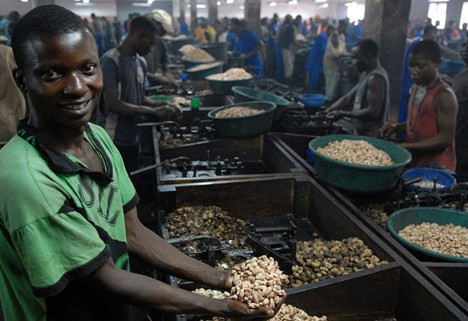
- Processing facilities: Creating more valuable goods from raw cashews, avocados, and spices. Commentors cite packaged, traceable honey and avocado oil as examples.
- Cold chain logistics: Fresh product need chilled storage and transportation.
- Minerals: Supporters claim that zero-tariff clearance for gold, graphite, and tanzanite might encourage additional investment in extraction and processing.
This is directly related to the avocado and cashew targets discussed in our agriculture reporting, as well as the value-addition argument presented earlier this year by Tanzania’s trade promotion authority. The commercial rationale for establishing facilities in Tanzania rather than exporting raw materials is strengthened by the tariff cut, which lowers the cost of selling processed goods to China.
What Investors Should Weigh
- Shared advantage: Fifty-two other African countries get the same access, so Tanzania’s edge depends on quality, price and reliability, not on the tariff alone.
- Standards and logistics: Trade analysts say success depends on production standards, logistics and export capacity. Chinese buyers will require certification and consistency.
- Concentration risk: Heavier reliance on one large buyer raises exposure to Chinese demand and to any future change in policy.
- Policy durability: The Chinese side describes the policy as a lasting, deepening arrangement, but investors should treat it as policy rather than a treaty guarantee.
- Infrastructure: The port, rail and cold-chain upgrades covered elsewhere this year decide how fast goods can actually reach Shanghai.
The Bigger Picture This approach gives Tanzania’s farmers and miners an additional price edge in the second-largest economy in the world, and the country’s trade figures are strong. What is developed in response is the test for the following year. Tanzania may progress up the value chain if investments are made by processors, packers, and cold-chain companies. The nation will gain market access without keeping the majority of the profits if it merely raises raw crop volumes. The numbers that follow include actual shipment data from the months since May, new plant investment announcements, and processed-goods exports