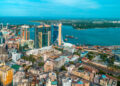










One concern that keeps coming up for international companies considering East Africa is which gateway will win the region’s cargo. Tanzania provided two responses at once this week. The kind of performance metrics that logistics investors regularly monitor are being posted at home by Dar es Salaam Port. Tanzania’s finance minister has represented Tanzanian initiatives at the World Bank and IMF Annual Meetings in Bangkok.


The Port: Numbers Investors Can Check
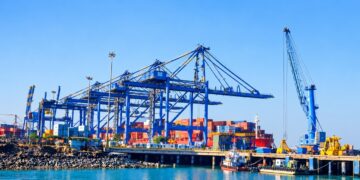
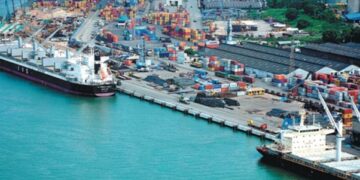
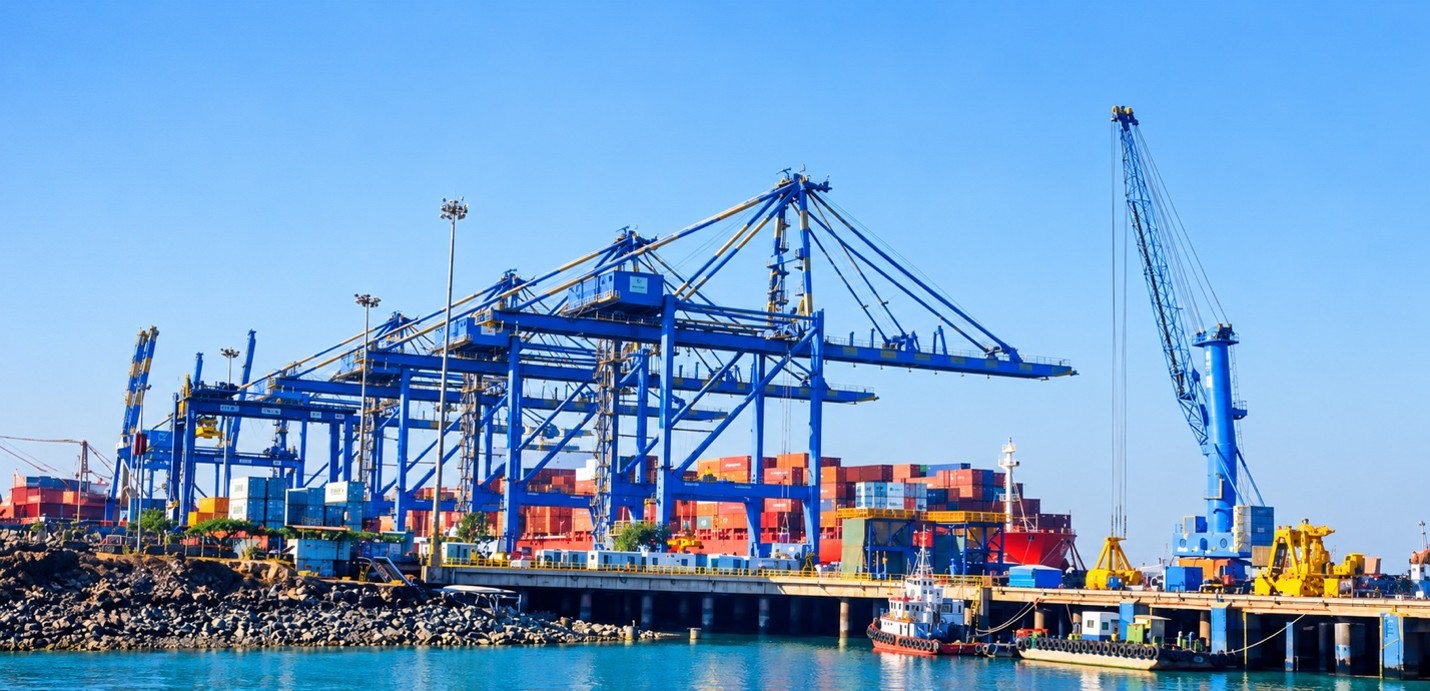
In 2024–2025, cargo volumes at Dar es Salaam Port increased by 17% to 27.7 million tons. The port became the best-performing port in East Africa in the World Bank’s 2025 Container Port Performance Index, moving up 105 spots worldwide from 360th in 2024 to 255th in 2025. Industry voices claim that the benefits are altering shipper behavior. According to the Tanzania Freight Forwarders Association, more cargo owners are selecting Dar es Salaam because it provides a quicker and more dependable route to regional markets.
The hinterland of the port is its true commercial strength. Seven landlocked nations use it as a maritime gateway; the Democratic Republic of the Congo is the biggest transit user at around 6 million tons, followed by Zambia at 3.5 million tons and Rwanda at 1.7 million tons. That transit position is the center of potential for investors in the region’s manufacturing, mining, and agricultural sectors.
How the Turnaround Was Built
With the help of a US$345 million credit from the International Development Association, the modernization started off as a World Bank-financed project in 2017 and has since expanded into a larger initiative. Since then, the Tanzania Ports Authority has established DP World Dar es Salaam Limited and Tanzania East Africa Gateway Terminal Limited through concession agreements with DP World and Adani International Ports. Along with hinterland logistics projects, DP World announced a 30-year concession with an initial expenditure of over US$250 million that might increase to US$1 billion during the concession duration. Container Terminal 2, which handled 83% of Tanzania’s container throughput in 2023, is under Adani’s 30-year concession. This week, the port’s physical expansion from 12 berths to 22 was also covered by local media.
Ship turnaround times have reportedly been reduced from around seven days to three thanks to the DP World agreement; however, this figure is based on partner-sponsored content and should be interpreted with caution. The more compelling proof is the independent ranking improvement mentioned above.
The Wider Pitch: Roads, PPPs and Concessional Finance
The port is a component of a broader initiative to raise money. The national roads agency has made 969 kilometers of road networks, including the Dar es Salaam Port–Kibaha Expressway, available for public-private partnership investment. Tanzania has stated that it is looking for TZS 170 trillion from private investors for long-term national development projects. The reasoning is simple: even if freight lands rapidly in Dar es Salaam, it still needs to get to Lubumbashi, Lusaka, or Kigali more quickly than it would if it took another route.
Finance Minister Khamis Mussa Omar announced Tanzania would seek General Budget Support and push for implementation of IDA21, the World Bank’s most recent concessional funding round, with an initial list of priority projects already submitted, during the IMF and World Bank Annual Meetings in Bangkok, which run until October 18. Concessional funding from organizations like these is nevertheless crucial to the government’s ambitions since, despite being deemed sustainable, public debt has increased to about 40 percent of GDP.
What Investors Should Weigh
A balanced perspective takes into account both the momentum and the risks:
- Competition: Kenya is considering commercial involvement in its own ports, but Mombasa continues to be the primary competition. Maintaining quick turnaround times is essential to Dar es Salaam’s advantage.
- Political sensitivity: When the concessions were signed, some Tanzanian officials objected to handing over terminal operations to international operators. It is interesting to see how the model is received by the public.
- Debt and financing terms: The combination of concessional loans, PPPs, and private capital will determine how sustainable the infrastructure push is, given that public debt is close to 40% of GDP.
- Delivery: Only when rail and road connections to the border maintain up with port capacity do rankings and announcements matter.
The Bigger Picture
From mines to avocados to airports, Tanzania’s investment narrative this year has been presented sector by industry. Because practically everything that Tanzania and its neighbors produce or consume must go via the port, the port is where those stories come together. A port that operates under long-term concessions by foreign operators, transfers 17% more cargo, and rises more than 100 spots in a global benchmark is a tangible, verifiable proposal. Sustained performance will determine whether it becomes the region’s winning gateway, and investors will be able to gage that in the next volume and ranking data.