









Tanzania’s growing fish supply deficit is creating new opportunities for investors in commercial aquaculture, hatcheries, fish-feed manufacturing and seafood processing as domestic demand continues to outpace production.


The investment case gained renewed attention on October 8, 2026, during discussions on unlocking the Western Indian Ocean’s ocean economy, where aquaculture, seaweed, marine biotechnology, value addition and blended finance were identified as priority areas requiring greater private-sector investment. Dr Zachara Hamisi, Director General of the Zanzibar Fisheries and Marine Resources Research Institute (ZAFIRI), stressed the need for the region to retain more value through commercially viable ocean-economy investments.
A Growing Market for Farmed Fish
The opportunity is underpinned by a widening gap between supply and demand.
According to a presentation by Tanzania’s Ministry of Livestock and Fisheries at the World Aquaculture Safari 2025 conference, the country produced approximately 510,000 tonnes of fish in 2025, while domestic demand was estimated at 715,606.5 tonnes.
The figures indicate a supply shortfall of about 205,600 tonnes, creating a significant market for additional fish production.
Aquaculture accounted for only about 8.5% of total fish output, suggesting substantial room for expansion as Tanzania seeks to increase farmed-fish production and reduce pressure on capture fisheries.
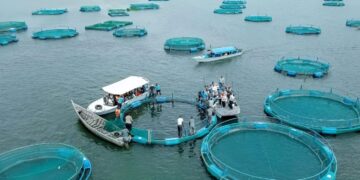
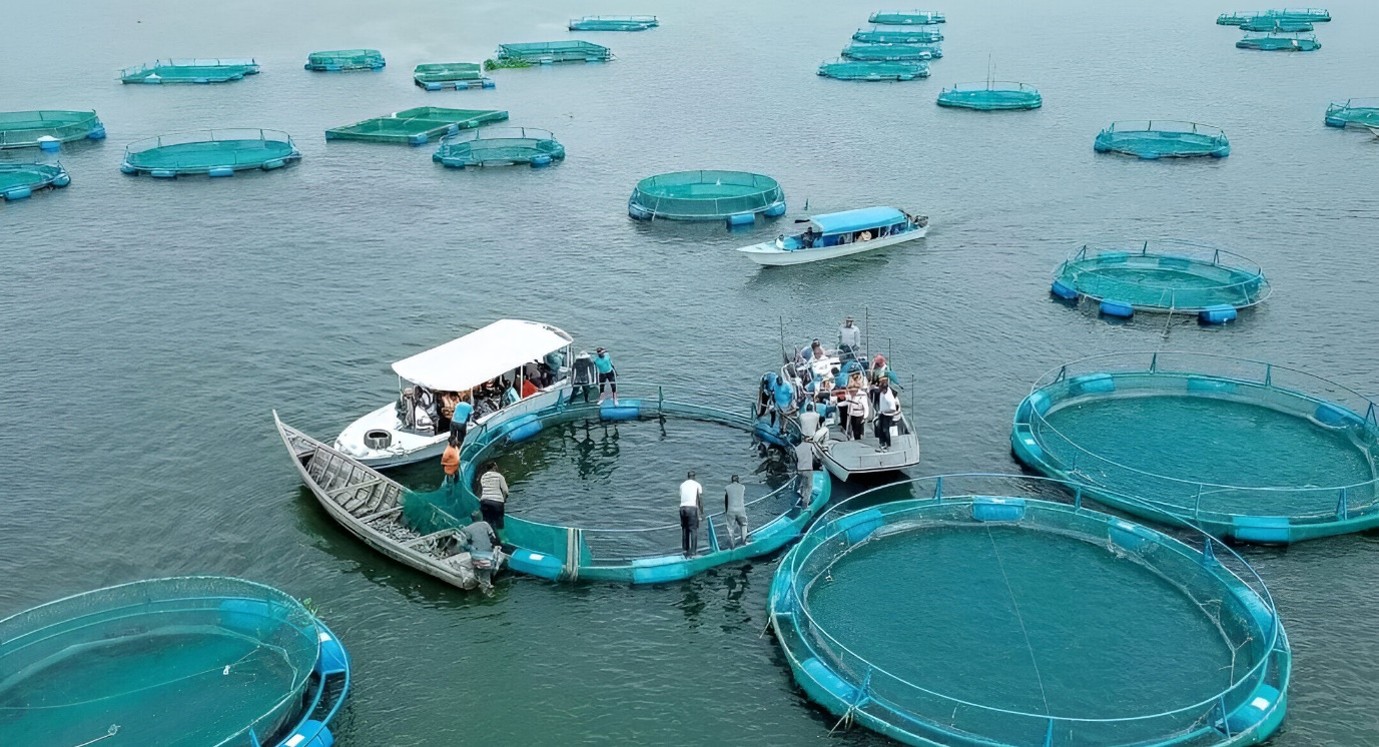
Commercial fish farming is already gaining momentum. The number of fish-farming cages increased from 50 in 2014 to 1,635 in 2024, while the number of hatcheries rose from 24 in 2020 to 51 in 2024. Annual fingerling production reached approximately 140 million in 2024, reflecting growing demand for quality fish-farming inputs.
Opportunities beyond Fish Farms
Investment opportunities extend across the entire aquaculture value chain. Commercial operators can establish cage-farming and pond-based production systems, while specialised businesses can supply fingerlings, manufacture fish feed, produce equipment and provide technical services.
Feed manufacturing is emerging as one of the most attractive segments. Imported products accounted for approximately 59% of formulated aqua feed consumption in 2024, highlighting opportunities for domestic producers to reduce import dependence and improve local availability.
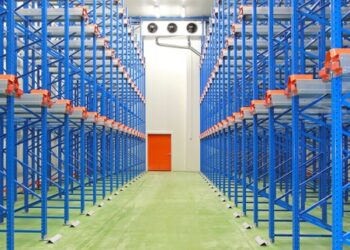
Additional opportunities exist in fish processing, cold storage, packaging, refrigerated transport and distribution networks serving supermarkets, hotels, restaurants and export markets.
In Zanzibar, the Zanzibar Investment Promotion Authority has identified an estimated US$8 million Greenfield fish-cage farming project at Bweleo, Unguja. The proposed development includes offshore cages, shore-based facilities, and cold-chain infrastructure and packaging operations. The project has a completed feasibility study, although the proposed investment should not be interpreted as committed financing.
Financing and Commercial Risks
The Tanzania Agricultural Development Bank has identified financing models covering commercial cage farming, hatcheries, feed production and fish processing.
However, investors must consider feed costs, fish mortality rates, water quality management, environmental requirements, market access and the time required to reach harvest and commercial scale.
Investor Outlook
Tanzania’s aquaculture opportunity extends well beyond fish farming alone. The larger prize lies in building an integrated industry that combines affordable feed, reliable fingerling supply, efficient production systems, processing capacity and dependable market channels.
As policymakers and industry stakeholders look to expand the blue economy, investments that strengthen the entire aquaculture value chain could help close the national fish deficit while creating new businesses, jobs and export opportunities.