












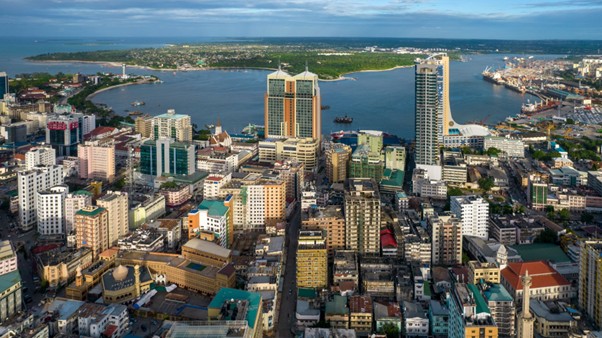
DAR ES SALAAM, Tanzania’s real estate sector is entering a new phase of growth, driven by recent land policy reforms and a rapidly expanding construction market. Together, these developments are increasingly positioning the country as an attractive destination for property investors.


Policy Reform Strengthens Land Governance
A revised national land policy, reinforced in early 2026, aims to improve tenure security, streamline registration systems, and modernize valuation and compensation mechanisms. The reforms are designed to address long‑standing inefficiencies in land management, including disputes, unclear titles, and bureaucratic delays.
For investors, the policy shift signals a more predictable and structured governance framework which is a critical step toward building confidence in Tanzania’s property market.
Construction Sector Momentum
At the same time, Tanzania’s construction industry is experiencing strong growth. According to recent industry data, the market is projected to reach Sh29.26 trillion in 2026, supported by rapid urbanisation, public infrastructure spending, and rising demand for housing and commercial property.
Urban centres such as Dar es Salaam and Dodoma face significant housing deficits, particularly in affordable and mid‑income segments. Infrastructure projects, including transport corridors and port expansion are reshaping land values and opening new zones for logistics and industrial real estate development.
Investor Entry Pathways
Foreign investors are finding clearer entry routes into the market. While Tanzania restricts direct land ownership, investors can secure long‑term rights of occupancy or derivative rights of up to 99 years, providing legally protected and transferable interests in land.
This framework, overseen by the Tanzania Investment Centre, offers stability for long‑term projects in housing, commercial property, and industrial parks.
Opportunities and Challenges
Investment opportunities are expanding across:
- Affordable and mid‑income housing projects
- Commercial property in Dar es Salaam and Dodoma
- Logistics and industrial real estate linked to new infrastructure
- Tourism‑related developments in Zanzibar and the southern circuit
However, challenges remain. Land titling processes can still be complex, and mortgage financing is limited, with high lending rates constraining broader participation. Analysts note that these gaps create opportunities for well‑capitalised investors who can navigate compliance and bring innovative financing models.
Taken together, Tanzania’s evolving land policy and construction boom point to a maturing real estate market. If reforms are effectively implemented, the country is likely to offer a more transparent, scalable, and investment‑friendly environment particularly for long‑term players seeking exposure to East Africa’s urban expansion story.