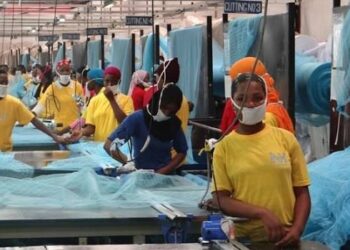














Tanzania is building a stronger and more independent health sector. The focus is on improving services and increasing local production. This creates real opportunities for long-term investment. One of the biggest changes in Tanzania’s health sector is the push for local pharmaceutical manufacturing. For many years, the country has depended on imported medicines. This has increased costs and created supply risks.


Now, the government is inviting investors to establish and expand pharmaceutical production within the country. This includes essential medicines, vaccines, and specialized treatments such as oncology drugs and injectables. Local production ensures steady supply, lower prices, and better access to healthcare.
Government Incentives Shaping Health Investment in Tanzania
The government has created a structured and predictable environment through various incentives such as; Public investment support, establishing Special Economic Zones (SEZs) for pharmaceutical manufacturing, establishing the Green-Lane Approval System underthe Pharmaceutical Investment Acceleration Programme (PIAP) to ensure faster approvals and reduced delays, and encouraging domestic manufacturing, including plans for Tanzania Pharmaceutical Industries Ltd (TPI) to resume ARV production by June 2026.
Pharmaceutical Regulatory Framework
To establish a pharmaceutical manufacturing operation in Tanzania, investors must follow a structured process involving several key government authorities.
- Before specialized health permits are issued, investors must establish a formal legal presence. This involves registering a company through the Business Registrations and Licensing Agency (BRELA). Following this, the entity must register for tax purposes with the Tanzania Revenue Authority (TRA) to obtain a Taxpayer Identification Number (TIN) and Value Added Tax (VAT) registration. To access fiscal benefits, investors must apply for a Certificate of Incentives from the Tanzania Investment and Special Economic Zones Authority (TISEZA).
- Site selection and environmental clearance. Investors are encouraged to locate their factories within Special Economic Zones (SEZs). Also, every project must undergo an Environmental Impact Assessment. This study must be submitted to the National Environment Management Council (NEMC) to receive a certificate confirming that the site is environmentally suitable for industrial pharmaceutical production.
- Detailed architectural and schematic drawings of the factory must be submitted to the Tanzania Medicines and Medical Devices Authority (TMDA). This technical review ensures that the plant’s air handling systems, water treatment units, and production flow lines are designed to prevent cross-contamination. Additionally, the investor must appoint a Registered Superintendent Pharmacist who is legally responsible for supervising all manufacturing processes.
- Once construction is finished, the investor applies for a Premises Registration Certificate through the Tanzania Medicines and Medical Devices Authority (TMDA). This leads to a mandatory Good Manufacturing Practice (GMP) inspection. During this inspection, regulators visit the site to verify that the equipment, staff training, and sanitation protocols meet international safety standards. Successful completion results in a Good Manufacturing Practice certificate, which is typically valid for three years.
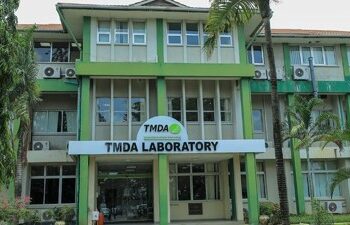
- Product Registration and Market Authorization. The Tanzania Medicines and Medical Devices Authority (TMDA) reviews dossiers and tests samples in their laboratories to verify safety and efficacy. Once approved, the product receives a Marketing Authorization, allowing it to be sold to the public or supplied to the Medical Stores Department (MSD) through preferential local procurement tenders.
Conclusion
Tanzania is moving toward a more self-reliant and modern healthcare system. Pharmaceutical manufacturing is at the center of this transformation, supported by clear policies and government commitment. For investors, this is a chance to enter early, grow with the sector, and play a role in shaping the future of healthcare in the region.