










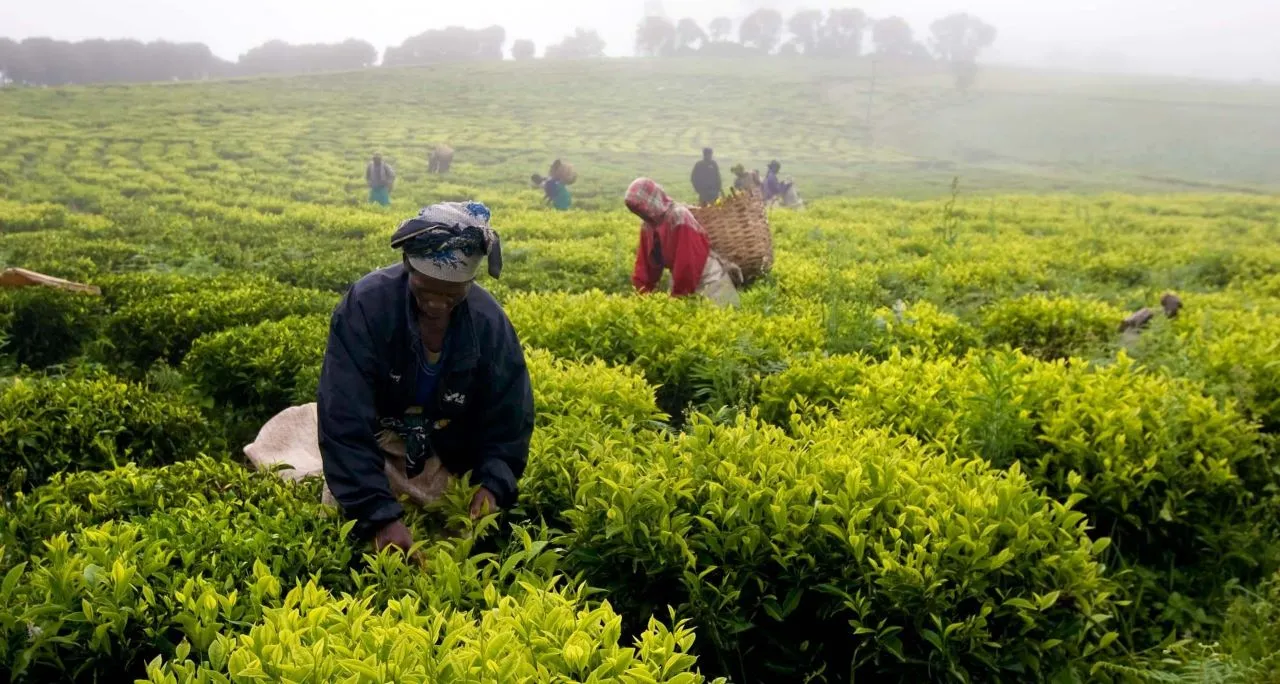
June 2026 was a strategically important month for Tanzania’s agricultural sector, with government policy focused on strengthening the foundations for the 2026/27 farming season. Rather than being defined by a single major announcement, the month brought a series of initiatives aimed at improving farmers’ access to inputs, modernising seed systems, expanding domestic food production and encouraging greater private-sector investment.


Together, these developments reflected Tanzania’s broader ambition to transform agriculture into a more productive, resilient and commercially competitive sector while enhancing food security and rural livelihoods.
Fertiliser Supply Secured Ahead of Planting
One of the month’s most significant developments was the government’s confirmation that sufficient fertiliser stocks had been secured despite global concerns over supply disruptions linked to geopolitical tensions.
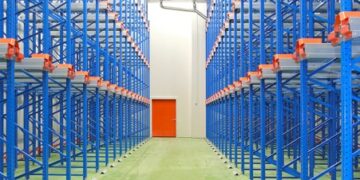
During inspections of fertiliser warehouses in Dar es Salaam, Agriculture Minister Daniel Chongolo assured farmers there was “no need for panic,” stating that importers had already stockpiled enough fertiliser to meet anticipated demand. The government also confirmed that the national fertiliser subsidy programme would continue, helping farmers access essential inputs at more affordable prices.
Officials said approximately 1.5 million tonnes of fertiliser would be distributed during the 2026/27 season, including around 400,000 tonnes produced locally. Increasing domestic production supports the country’s long-term objective of reducing reliance on imports while strengthening local manufacturing.
New Seed Strategy Targets Higher Productivity
Another milestone was the launch of the Tanzania Seed Sector Development Strategy and Investment Plan (2026–2030), a roadmap designed to modernise seed production and distribution nationwide.
The strategy aims to double the area planted with improved seed from about 3 million hectares to 6 million hectares by 2030 while expanding the network of agro-dealers from roughly 3,000 to 12,000. It also seeks to strengthen seed certification and encourage greater private-sector participation across the value chain.
Improved access to certified seed is expected to increase crop yields, strengthen food security and improve farmers’ incomes, making the strategy one of June’s most important long-term policy achievements.
Strengthening Domestic Food Production
Implementation of the 2026/27 Agriculture Budget continued to shape sector priorities throughout June. Government policy increasingly emphasised reducing dependence on imported food while strengthening local value chains.
Authorities highlighted irrigation development, agro-processing and improved market linkages as essential to boosting production and creating greater value within the country. By connecting agriculture more closely with manufacturing, Tanzania aims to support industrialisation, create employment and increase the sector’s contribution to economic growth.
Sugar Industry Expansion
The sugar industry remained a priority as the government pursued greater self-sufficiency.
Plans announced under the 2026/27 budget target an increase in sugarcane production from 4.35 million tonnes to 5.5 million tonnes and annual sugar production from about 411,000 tonnes to 550,000 tonnes. The government also outlined plans for new sugar factories and the preparation of more than 146,000 hectares of investment zones in the Pangani Basin.
These initiatives are intended to strengthen domestic supply, reduce imports and attract additional investment into large-scale commercial agriculture.
Advancing Edible Oil Self-Sufficiency
Reducing edible oil imports also remained high on the government’s agenda.
Recognising that local production still falls short of national demand, authorities continued promoting investment in oilseed cultivation, storage facilities, processing plants and supply chains. Expanding domestic processing capacity is expected to reduce import dependence while creating opportunities for value addition and future exports.
Private Investment Takes Centre Stage
Private-sector participation continued to feature prominently in agricultural policy.
Government initiatives encouraged investment in certified seed production, fertiliser manufacturing, irrigation infrastructure, mechanisation, agro-processing and agricultural logistics. The new Seed Sector Development Strategy specifically identifies private investment as essential for accelerating technology adoption, improving productivity and expanding farmers’ access to modern agricultural services.
By strengthening partnerships between government, farmers and investors, Tanzania is working to build a more competitive and commercially sustainable agricultural economy.
Climate Resilience Gains Importance
Climate resilience remained central to policy discussions throughout June.
Government officials and development partners emphasised that improved seed and fertiliser must be supported by investments in irrigation, water management and climate-smart farming practices. As increasingly unpredictable weather affects agricultural production, expanding irrigation infrastructure is viewed as essential to protecting crop yields and ensuring long-term food security.
June 2026 at a Glance
Although June 2026 was not defined by a single landmark event, it marked an important period for setting Tanzania’s agricultural priorities. The government focused on securing fertiliser supplies, strengthening seed systems, expanding domestic food production, supporting strategic commodity industries and encouraging private-sector investment.
Collectively, these initiatives demonstrate a shift towards long-term agricultural transformation rather than short-term interventions. By improving productivity, promoting value addition, strengthening climate resilience and creating a more investment-friendly environment, Tanzania continues laying the groundwork for a stronger and more competitive agricultural sector. As implementation progresses throughout the 2026/27 farming season, the policies advanced during June are expected to shape the sector’s growth and contribution to the national economy for years to come.