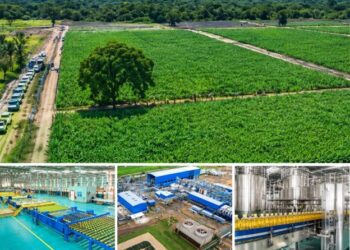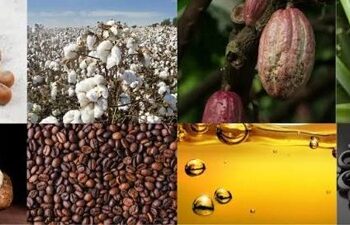














DODOMA – Tanzania has officially launched the National Edible Oil Strategy (NEOS) 2026–2035 during the National Investment Forum on the Edible Oil Value Chain in Dodoma. The initiative targets a critical production deficit where local demand reaches 732,000 tonnes per year, but local processors currently supply only 100,000 to 300,000 tonnes. Tanzania plans to eliminate its dependence on foreign suppliers and safeguard its national food security.


Agriculture Minister Daniel Chongolo emphasized that the country holds all the necessary natural resources, land, and workforce to meet domestic demand independently.
“We have no reason to continue importing edible oil when we have suitable land, farmers and investors capable of producing enough to meet our domestic demand and eventually export,” Mr Chongolo said.
Expanding Land Use and Transforming Markets
The rollout of NEOS 2026–2035 sets ambitious operational targets across the agricultural processing value chain. The policy prioritizes rapid expansion in sunflower farming as a short-to-medium-term solution while scaling oil palm plantations for sustainable, long-term output. Under the framework, total area allocated for oilseed cultivation will scale to 2.1 million hectares, while dedicated oil palm plantations will expand up to 160,000 hectares by 2035. This structural expansion is projected to generate over 900,000 direct and indirect jobs while establishing Tanzania as a regional supplier across the East African Community (EAC) and Southern African Development Community (SADC) markets.
Conserving Capital Through Policy and Tax Incentives
A motivation behind this strategy is saving over 500.6 billion Tanzanian shillings (approximately 200 million USD) currently spent on foreign exchange every year for edible oil imports. To protect local industries and incentivize domestic processing, the government has instituted strong policy mechanisms. Under newly updated guidelines, import permits for crude and refined edible oils will favor traders who actively commit to local farming, processing, or purchasing oilseeds directly from domestic farmers. Cereals and Crops Regulatory Board (COPRA) Director General, Ms Irene Mlola said, “The regulations have already become operational. They are intended to regulate the edible oil trade, protect domestic processors and investors, while encouraging greater local investment in edible oil production.” Complementing these permit restrictions, locally produced edible oils made from domestic seeds are exempt from Value Added Tax (VAT), whereas imported crude edible oils remain subject to import tariffs.
Opportunities Open for Private Investors
The government is calling on private investors, financial institutions, and international development partners to capitalize on this expanding market. Massive investment opportunities are now open in large-scale commercial farming of sunflowers and oil palm, modern oilseed crushing facilities, and high-capacity refineries. Capitalize on Tanzania’s growing edible oil market, backed by tax exemptions, strong domestic demand, and government policies designed to protect and promote local investors.