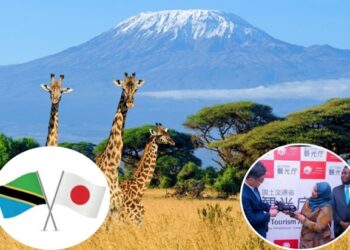












Tanzania is home to world-famous attractions such as Mount Kilimanjaro, Serengeti National Park, Ngorongoro Conservation Area, Zanzibar, Pemba, and Mafia islands. 40.5% of Tanzania’s land area is protected, with 465 forest reserves, 22 national parks, the Ngorongoro Conservation Area, 22 game reserves, 28 game-controlled areas, 38 Wildlife Management Areas, three Ramsar sites, 19 nature forest reserves, 23 forest plantations,seven museums and 133 cultural heritage sites.


The tourism industry plays a significant role in the economy by creating employment opportunities and generating foreign exchange earnings. The country presents a wide range of opportunities for investors seeking to enter the tourism market.
Opportunities in Accommodation and Hospitality
One of the biggest investment opportunities lies in the development of accommodation facilities. Growing tourist arrivals have increased demand for quality hotels, lodges, resorts, guesthouses, and camping facilities. Investment opportunities are available in established tourism destinations such as Zanzibar, Arusha, Kilimanjaro, Serengeti, Dar es Salaam, and Mwanza, as well as in emerging tourism areas across the country.
Additional hotel capacity is particularly needed to support the expansion of tourism activities and improve visitor experiences.
The Potential in Coastal and Cultural Tourism
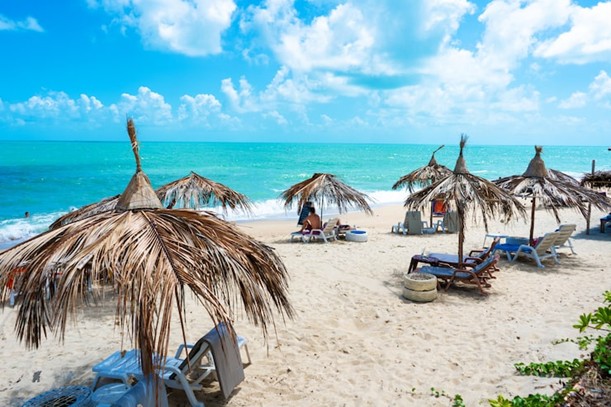
Tanzania’s coastline and islands offer opportunities for beach tourism investments. Investors can develop beach resorts, diving centers, marine tourism facilities, and other hospitality services that cater to both local and international visitors.
The country also possesses rich cultural and historical heritage. Historical towns such as Bagamoyo, Kilwa, Pangani, and Tabora provide opportunities for investment in cultural tourism projects, restoration of historical buildings, and tourism services linked to archaeological and heritage sites.
Opportunities in Recreation and Tourism Services
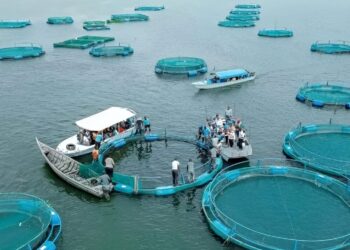
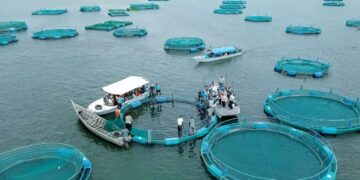
Several tourism-related areas remain largely untapped. These include theme parks, amusement parks, deep-sea fishing operations, sea and lake cruising services, and other recreational tourism activities. Such investments can help diversify Tanzania’s tourism products and attract a wider range of visitors.
Also, increasing tourist numbers continue to create opportunities for tour operators and travel agencies. Businesses that provide safari packages, travel planning, transportation, and destination management services stand to benefit from the sector’s continued growth.
Therefore, the country shows steady growth in international visitor arrivals and overall sector earnings. This industry serves as the primary driver of national foreign exchange and GDP, offering a stable environment for investment. Investing in Tanzania’s tourism sector allows investors to tap into consistent global demand and a proven national asset.