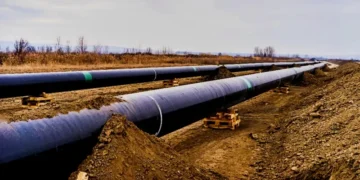









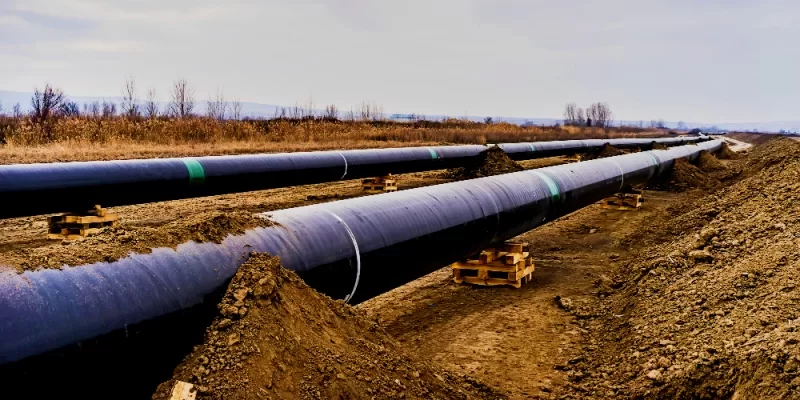
Authorities in Dar es Salaam have announced plans to improve safety along the Tazama oil pipeline corridor, following growing concerns over human activity in high-risk areas.


The initiative, led by the Temeke Municipal Council, comes amid increasing encroachment by informal traders operating close to the pipeline—raising the risk of accidents, fires, and potential damage to critical infrastructure.
Addressing a High-Risk Environment
Local officials have acknowledged that trading activities along the pipeline are not only unauthorized but also pose serious safety threats to both traders and nearby communities.
The Tazama pipeline is a key energy transport route, and any disruption could have significant economic and safety implications.
Planned Interventions
To address the issue, the municipality has outlined several measures:
- Construction of a modern multi-storey market in the Chamazi–Mbagala area to accommodate traders
- Development of a new bus stand to help reorganize commercial activity
- Relocation of traders currently operating in unsafe zones along the pipeline
These efforts are intended to move business activity into safer, designated spaces while reducing pressure on restricted infrastructure corridors.
Implementation Challenges
Despite the availability of alternative trading spaces, authorities note that some traders remain reluctant to relocate.
This is largely due to:
- Higher customer traffic in informal roadside locations
- Concerns over reduced income in formal market settings
Existing markets in areas such as Mbagala and surrounding zones have reportedly not reached full occupancy, highlighting the difficulty of shifting entrenched trading patterns.
Balancing Safety and Livelihoods
The situation reflects a broader urban challenge: ensuring public safety while maintaining economic opportunities for informal traders.
Temeke’s approach focuses on relocation rather than outright removal, aiming to provide traders with viable alternatives while safeguarding critical infrastructure.
Outlook
As Tanzania continues to experience rapid urban growth, similar pressures on infrastructure are likely to persist.
Efforts such as this underline the importance of planned urban management, particularly in areas where economic activity intersects with strategic national assets.