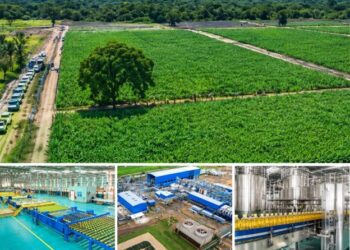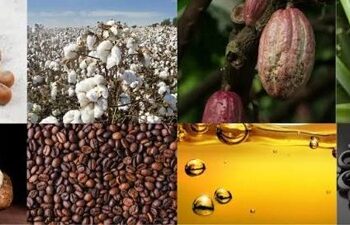













DODOMA. Tanzania is strengthening its push to achieve self‑sufficiency in edible cooking oil production, creating new investment opportunities for agribusiness firms as the country works to reduce its dependence on imports and expand domestic value addition.


The renewed focus follows policy measures introduced in the 2026/27 National Budget, presented by Minister for Finance Ambassador Khamis Mussa Omar in Parliament on 11 June 2026. The budget introduced tax reforms aimed at encouraging local processing of oilseeds, including a 10 percent import duty on crude edible oils (excluding crude palm oil) and a 10 percent export levy on crude sunflower oil and sunflower seeds to promote domestic value addition.
Domestic Demand Still Outpaces Supply
Speaking while presenting the 2026/27 budget estimates for the Ministry of Industry and Trade, Minister Judith Kapinga said Tanzania has established 1,604 edible oil processing industries nationwide.
Despite this growth, domestic production remains well below demand. Tanzania currently produces about 302,000 tonnes of edible oil annually against demand of 700,000 tonnes, leaving a supply gap of nearly 400,000 tonnes that continues to be filled through imports.
For investors, the figures underscore the scale of the market opportunity in establishing or expanding edible oil production.
Sunflower Leads the Investment Opportunity
Sunflower has emerged as Tanzania’s flagship oilseed crop, particularly in the Central Corridor including Singida, Dodoma, Manyara, and Tabora.
The Tanzania Investment and Special Economic Zones Authority (TISEZA) identifies edible oil production as a priority value chain, highlighting opportunities in:
- Commercial sunflower farming
- Modern oil extraction plants
- Edible oil refining
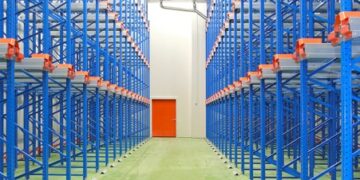
- Packaging and storage
- Logistics
- Improved seed production
An additional commercial advantage is the utilisation of sunflower seed cake, a high‑protein by‑product widely used in livestock feed, providing processors with an extra revenue stream.
Policy Support Strengthens Investor Confidence
The government’s strategy goes beyond increasing agricultural output. It aims to build an integrated edible oil industry linking farmers with processors, manufacturers, and regional export markets while reducing the import bill.
Industry analysts note that continued investment in processing capacity, modern farming techniques, irrigation, and storage infrastructure could significantly narrow Tanzania’s edible oil deficit in the coming years.
Investor Outlook
With strong domestic demand, supportive government policies, and abundant agricultural resources, Tanzania’s edible oil industry is emerging as one of East Africa’s most attractive agribusiness investment destinations.
Opportunities extend across the entire value chain from commercial sunflower cultivation and seed multiplication to oil extraction, refining, packaging, logistics, and livestock feed manufacturing.
For investors, the message is clear: Tanzania is not only seeking to replace imported cooking oil, it is building a modern edible oil industry with long‑term opportunities for manufacturers, agribusiness companies, and value‑added processors.