










NAIROBI- Tanzania is calling on private investors to help fund and build healthcare projects across the country, using a public-private partnership (PPP) model that blends government revenue, pooled resources, and targeted borrowing.


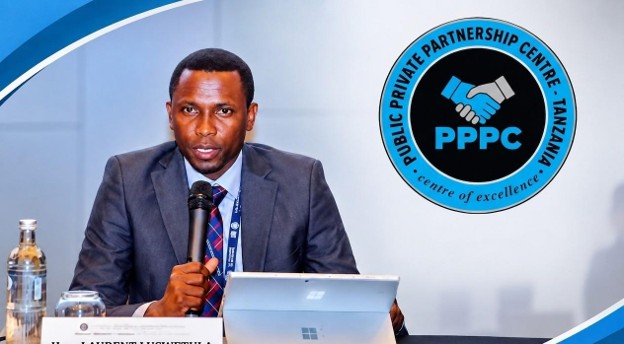
The invitation came from Deputy Minister for Finance Laurent Luswetula, who stood in for Finance Minister Ambassador Khamis Mussa Omar at a recent High-Level Dialogue of African Finance Ministers in Nairobi. The gathering focused on how African nations can strengthen joint investment in health, bringing together countries that have signed health financing agreements with the United States government.
Luswetula made clear that Tanzania is open to long-term partnerships with private companies, not just for healthcare but for development projects more broadly. He encouraged investors to bring their capital into what he described as a stable, secure, and policy-predictable environment, provided they operate within the country’s legal framework, so that both investors and citizens benefit.
How Tanzania Plans to Fund Healthcare
Rather than relying on a single funding stream, the government is building a mixed financing model. This includes private sector investment through PPPs, domestic government revenue, pooled financing arrangements, excise duties on certain products and selective, strategic borrowing. As Luswetula said, We do not want to borrow simply because we want to obtain funds. We borrow where an investment has long-term benefits and where we are certain about how the debt will be repaid,”
Tanzania’s PPP activities operate under the Public-Private Partnership Act (Cap. 103), together with its accompanying regulations. To make this framework more actionable, the government’s 2026/27–2028/29 planning and budget guidelines instruct public institutions to strengthen their internal PPP units, finalize pending project proposals, and actively use partnerships to bring in outside capital, technology, and expertise.
The guidelines go further, pushing institutions to involve private firms not just in funding but in actual service delivery, including local manufacturing. One specific target is boosting domestic production tied to the Medical Stores Department, reducing Tanzania’s reliance on imported medical goods.
This PPP push is happening alongside Tanzania’s rollout of a Universal Health Insurance programme, which is designed to widen healthcare access while also broadening the pool of funding available to service providers. These initiatives reflect a broader strategy which is to reduce dependence on donor aid by combining domestic funding, pooled resources, and private investment into one sustainable system.
This move fits into a larger pattern of health-sector activity in Tanzania recently including a five-year, USD 3.1 billion health cooperation agreement signed with the United States, a TZS 1.8 trillion health budget for 2026/27 aimed at local drug manufacturing self-sufficiency, and the launch of the national health insurance scheme requiring an annual household premium. Taken together, these developments point to a government actively trying to reshape how healthcare in Tanzania is funded and delivered over the next several years.