











DAR ES SALAAM. Tanzania is preparing to roll out 26 industrial parks during the 2026/27 financial year, a move that could create new opportunities for manufacturers, agro-processors, logistics operators and industrial infrastructure developers.


The programme was announced by Gilead Teri, Director General of the Tanzania Investment and Special Economic Zones Authority (TISEZA), as part of the government’s wider effort to accelerate industrialisation and attract private investment into production activities across the country.
According to TISEZA, the industrial parks are intended to bring investment closer to raw-material sources, reduce production costs and improve access to domestic and regional markets. The initiative complements ongoing development of Special Economic Zones (SEZs) in Bagamoyo, Kwala and Nala, while preparations continue for the operationalisation of mainland free zones.
Manufacturing Leads New Investment Flows
The announcement comes at a time when manufacturing is attracting a growing share of registered investment.
During the July-September 2026 period, Tanzania registered 115 manufacturing projects worth approximately US$897.6 million, making manufacturing the largest sector by project numbers among investments recorded by TISEZA. The projects are expected to generate more than 23,500 jobs, highlighting continued investor interest in industrial production.
Although registration does not necessarily mean capital has already been deployed, the figures suggest strong momentum in the sector.
Bagamoyo Provides a Model
Among Tanzania’s industrial zones, Bagamoyo offers one of the clearest indications of how the government’s industrialisation strategy is taking shape.
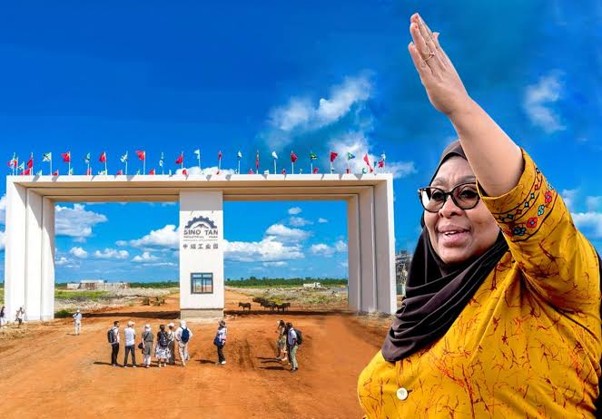
The first phase of the Bagamoyo Eco-Maritime City covers 151 hectares and includes 134 industrial plots. Government reports show that dozens of investors have already secured land for manufacturing, logistics and industrial-service activities.
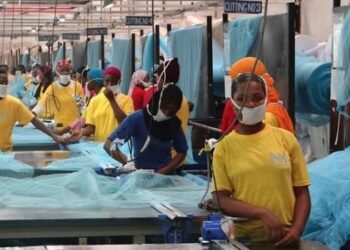
Projects under development include textile manufacturing, logistics operations and industrial infrastructure, while the wider Bagamoyo zone is intended to accommodate housing, maritime services, commercial facilities and manufacturing industries.
Other industrial locations being promoted include Kwala, positioned as a logistics and manufacturing hub, Nala, targeting domestic and regional markets, and Buzwagi, where authorities are encouraging mineral value addition and agro-processing.
Opportunities beyond Factory Ownership
The opportunity extends far beyond establishing production facilities.
Industrial expansion is expected to create demand for:
- Warehouses and distribution centres
- Processing and packaging equipment
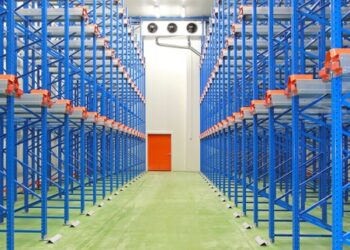
- Refrigeration and cold-chain systems
- Renewable-energy installations
- Water-treatment and waste-management systems
- Engineering and industrial services
- Transport and logistics infrastructure
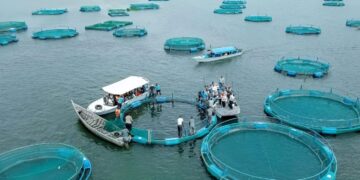
Agro-processing could be one of the biggest beneficiaries, particularly in coffee, cashew, edible oils, fisheries and livestock products.
Investor Outlook
While the 26 proposed industrial parks signal a significant expansion of Tanzania’s industrial ambitions, much will depend on infrastructure readiness, utility availability and implementation timelines.
For investors, the immediate opportunity lies not only in building factories but also in supplying the infrastructure, technology and services needed to support a growing manufacturing ecosystem.
As Tanzania moves to decentralise industrial development and bring production closer to resource-rich regions, industrial parks could become an important platform for expanding manufacturing, agro-processing and export-oriented production.