










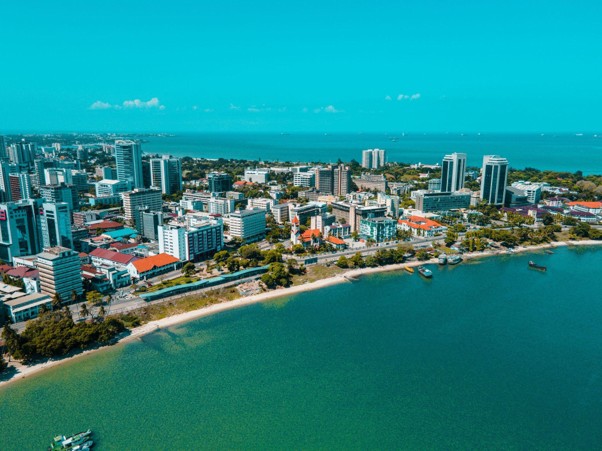
DAR ES SALAAM : Tanzania is strengthening its position as an investment destination in East Africa, with growing regional partnerships and major infrastructure and industrial plans opening new doors for businesses. The country’s strategic location, access to regional markets and expanding economic activity are attracting investors who want to establish or expand their businesses in Africa.


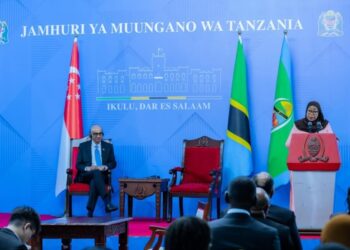
This direction was highlighted during President Samia Suluhu Hassan‘s two-day state visit to Uganda on 18–19 November 2026, where she held talks with Ugandan President Yoweri Kaguta Museveni to strengthen relations between the two countries and expand economic cooperation.
The visit focused on improving trade between Tanzania and Uganda, addressing barriers affecting businesses, strengthening transport and energy connections, and encouraging industrial development. The leaders agreed to speed up major regional projects, including the East African Crude Oil Pipeline (EACOP), the Standard Gauge Railway (SGR) and the development of Tanga as a regional energy hub. They also called for a Tanzania–Uganda Joint Trade Committee to address trade challenges.
Beyond diplomacy, the talks carry an important economic message for Tanzania that is stronger regional cooperation can create larger markets for local businesses, attract investment and support long-term economic growth.
What the Visit Means for Tanzania’s Growing Economy
President Samia Suluhu Hassan’s visit to Uganda could strengthen Tanzania’s economy by creating better opportunities for trade and business growth. Stronger cooperation between the two countries can make it easier for Tanzanian businesses to access the Ugandan market, reach more customers and increase sales. This can encourage local producers to expand their operations, improve production and invest in areas such as food processing, packaging and distribution.
The visit could also strengthen Tanzania’s position as a gateway to the wider East African market. As trade between neighbouring countries grows, demand for transport, warehousing and logistics services is likely to increase, creating opportunities for local and foreign investors. Improved regional cooperation can also build investor confidence, encourage business partnerships and support industrial development. In the long term, these opportunities could contribute to job creation and sustainable economic growth in Tanzania.
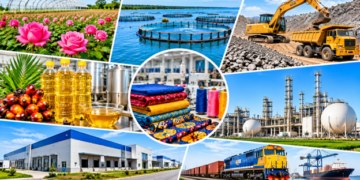
Emerging Opportunities for Tanzania in different Sectors
Transport and logistics
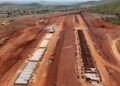
Tanzania’s ports, railway projects, lake services and road networks move goods within the country and across borders. The leaders agreed to speed up the SGR project linking the two countries, as Tanzania is ready to cooperate on the proposed railway connection through Isaka, Lusahunga, Murongo and Kikagati. Whereas better transport links could reduce delays in regional trade. This points to openings in cargo handling, warehousing, freight, shipping and distribution services.
Energy and petroleum
The 1,443-kilometre East African Crude Oil Pipeline, which will carry Uganda’s crude oil to the Port of Tanga, is reported to be 93.9 per cent complete. The two presidents directed officials to speed up the remaining construction, testing and commissioning so that crude oil transport can begin.
The proposed development of Tanga as a regional energy hub also points to openings in petroleum storage, distribution, engineering, energy services and logistics. Businesses that supply equipment, technical services and infrastructure support could benefit as these projects move forward.
Manufacturing and industrialisation
The launch of the Double Q Automotive Assembly Plant in Mpigi, Uganda, during President Samia’s visit shows the value of industrial cooperation in East Africa. The plant, built with an investment of about US$30 million, can assemble up to 4,000 heavy-duty trucks a year and employs more than 1,200 people. The Tanzania President also urged East African countries to develop their own vehicle-making industry and import fewer second-hand vehicles.
For Tanzania, developments like this point to openings in vehicle assembly, machinery, industrial equipment, construction materials and other manufacturing.
Agriculture and agro-processing
Tanzania can move beyond selling raw agricultural products by encouraging more processing, packaging and value addition at home. Investment in food processing, storage, packaging technology, agricultural machinery and distribution could help local producers reach larger markets and earn more from their products. Improved regional trade connections could also open additional markets for the processed goods to more international markets.
Investor outlook
Tanzania offers investors an opportunity to benefit from growth across several sectors while accessing the wider East African market. Its strategic location, ports and transport networks support regional trade, while energy and industrial projects create demand for investment, technology, equipment and professional services. Opportunities are open not only to large international companies but also to local businesses and regional entrepreneurs through partnerships and supply chains.
However, turning this potential into results will depend on completing major infrastructure projects, reducing trade barriers and creating a reliable business environment. Investors will need to consider project progress, regulations and market demand before making decisions. Overall, Tanzania’s appeal lies in the combination of economic growth, regional partnerships, infrastructure development and efforts to strengthen local industries.Investors, entrepreneurs and business partners are encouraged to explore Tanzania’s growing sectors, connect with relevant investment authorities and discover the opportunities available to be part of the country’s economic growth