









DAR ES SALAAM. Tanzania’s expanding agriculture, fisheries and food-processing industries are creating growing demand for cold-chain infrastructure, with investors increasingly targeting cold rooms, refrigerated transport, fish storage facilities and temperature-controlled logistics networks.


As the country seeks to reduce post-harvest losses and increase the value captured from perishable products, cold-chain infrastructure is emerging as a critical link between production, processing and export markets.
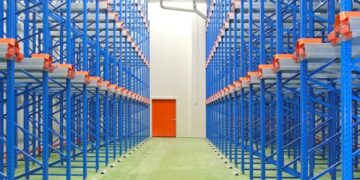
According to the Gilead Teri-led Tanzania Investment and Special Economic Zones Authority (TISEZA), 15 approved cold-storage and cold-room projects represent approximately US$16.14 million in planned investment and are expected to create about 635 jobs. The projects are spread across Dar es Salaam, Pwani, Mwanza and Kigoma, covering cold rooms, warehouses, milk chillers and fisheries-related facilities.
Private Capital Is Already Moving
One of the most notable projects is a €10 million cold-storage investment in Bagamoyo, aimed at supporting Tanzania’s meat industry and export markets.
Cold-chain investments are also expanding into air cargo logistics.
In 2026, Swissport opened a 630-square-metre temperature-controlled cargo facility at Kilimanjaro International Airport, designed to handle up to 13,000 tonnes annually. The facility includes four chillers and a freezer supporting horticultural exports from Tanzania’s Northern Corridor.
These investments highlight how cold-chain development is becoming an essential component of Tanzania’s export infrastructure rather than a standalone storage business.
Fisheries Create Additional Opportunities
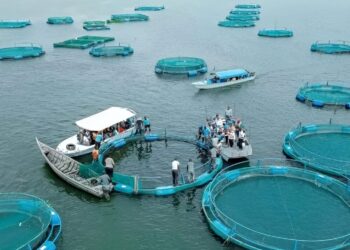
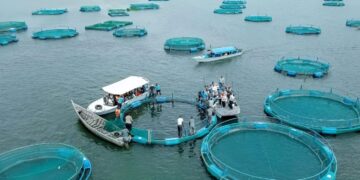
Government-backed investments are reinforcing private-sector activity. The 2026/27 livestock and fisheries programme includes 40-tonne cold-storage facilities at Pangani and Mchinga, while infrastructure at Kilwa Masoko Fishing Port includes fish processing, cold-storage and ice-production facilities.
TISEZA has also identified investment opportunities in:
- Fish storage facilities
- Refrigerated transport
- Cold-chain equipment
- Installation and maintenance services
- Ice plants
- Fisheries logistics
For investors seeking a specific project opportunity, TISEZA has listed a proposed US$2 million Cold Storage and Ice Plant in Kigamboni under a joint-venture model with Tanzania Fisheries Corporation (TAFICO).
The Opportunity Extends Beyond Warehouses
Cold-chain development requires much more than refrigeration facilities alone. Across agriculture and food processing, Tanzania needs pack houses, pre-cooling centres, refrigerated trucks, temperature-controlled distribution hubs, cold-room equipment, maintenance services and reliable energy solutions.
Demand is particularly strong in horticultural regions such as Mbeya, Njombe, Arusha and Kilimanjaro, while fisheries-related opportunities continue to emerge around coastal landing sites and major lake zones.
The launch of a TZS 50 billion financing facility by TADB and EADB is also expected to improve access to capital for businesses investing in storage, processing, transportation and value addition.
Investor Outlook
What makes the cold-chain story increasingly attractive is that it connects multiple sectors at once. Agriculture needs it. Fisheries need it. Meat processing needs it. Dairy production, food manufacturing, supermarkets, hospitality and exports all depend on it.
For investors, the opportunity is no longer confined to building individual cold rooms. Tanzania’s market is evolving into an integrated cold-chain ecosystem linking farms, fisheries, processing plants, warehouses, transport networks and export markets.
As domestic food production expands and export ambitions grow, the businesses providing that infrastructure could become some of the most important enablers of Tanzania’s broader agribusiness economy.