








IRINGA – Tanzania’s Minister for Livestock and Fisheries, Dr. Bashiru Kakurwa, together with members of the Parliamentary Standing Committee on Industry, Trade, Agriculture and Livestock, has commended the level of investment made in the dairy sector in Iringa region.


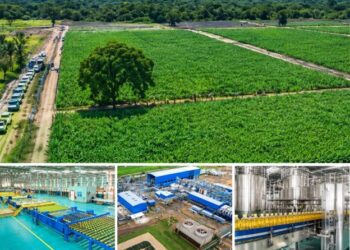
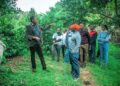
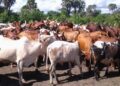
The delegation expressed its satisfaction after touring and inspecting milk processing and livestock farming activities at the ASAS dairy farm and processing plant, one of the country’s leading dairy enterprises. The visit highlighted the significant progress being made in modern dairy production and value addition, which continue to strengthen Tanzania’s agricultural economy.
Speaking after the tour, Dr. Kakurwa emphasized the importance of embracing science, technology, and modern farming practices to improve productivity and profitability in the livestock sector. He encouraged farmers and investors to adopt innovative approaches that can enhance efficiency, increase milk production, and create sustainable business opportunities.
The minister also praised the company’s efforts in implementing effective rainwater harvesting systems and promoting better land-use practices for livestock feed production. According to him, these measures align with government recommendations aimed at ensuring reliable food supplies and adequate water resources for livestock throughout the year.
Meanwhile, the Chairperson of the Parliamentary Committee on Industry, Trade, Agriculture and Livestock, Deodatus Mwanyika, noted that the investment serves as a strong example of how private-sector participation can drive growth in Tanzania’s dairy industry. He said the project has provided valuable insights that will help the committee advise the government on policies and strategies to further develop the sector.
The visit underscores the government’s commitment to supporting investments that boost agricultural productivity, create jobs, and contribute to national economic growth. Continued investment in modern dairy farming and processing will play a crucial role in strengthening food security and increasing Tanzania’s competitiveness in regional and international markets.