












DAR ES SALAAM. Tanzania is intensifying its push into the global avocado market, with the government targeting production of 235,000 tonnes and export volumes of 40,000 tonnes by the 2026/27 agricultural season. The move is designed to strengthen horticultural exports and attract fresh agribusiness investment.


Agriculture officials say avocado is becoming central to Tanzania’s agricultural transformation strategy, particularly in the Southern Highlands where commercial cultivation is scaling rapidly.
Presenting the Ministry of Agriculture’s 2026/27 budget estimates in Dodoma on April 28, 2026, Minister for Agriculture Hon. Daniel Chongolo said production will rise from 201,354 tonnes in 2024/25 to 235,000 tonnes, while exports will climb to 40,000 tonnes.
“To realize this target, the ministry will train 9,500 farmers and 500 extension officers on good agricultural practices for avocado production,” Hon. Chongolo told Parliament.
Avocado Becomes a Strategic Export Crop
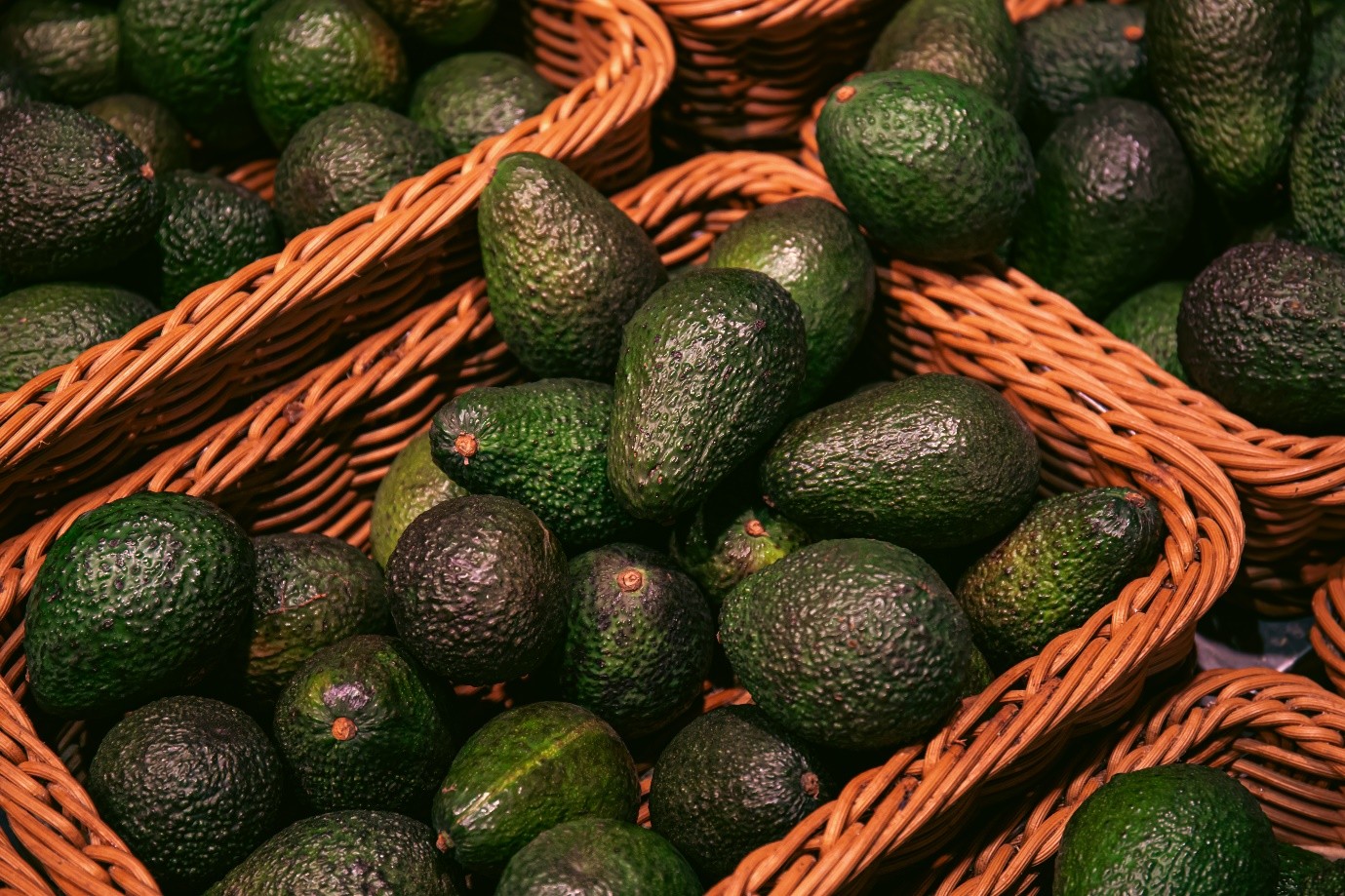
Avocado, particularly the Hass variety, is emerging as one of Tanzania’s highest‑growth agricultural exports due to strong demand and premium pricing in Europe, the Middle East, and Asia. Recent expansion into China and broader Asian markets is strengthening investor interest across the value chain.
Infrastructure and Processing Expansion
Authorities plan to construct 20 avocado collection centres in Mbeya, Njombe, Iringa, Ruvuma, and Rukwa to improve aggregation, quality control, and storage. Tanzania already hosts eight medium and large‑scale avocado processing facilities, with more investment expected as volumes rise.
Youth and Commercial Farming Drive Expansion
Through collaboration with the Tanzania Agricultural Research Institute (TARI) and COPRA, the government will distribute 1.7 million subsidised avocado seedlings, targeting youth and women farmers.
“This initiative is not only about boosting avocado production but also about creating decent employment opportunities for young people through agriculture,” Hon. Chongolo said.
Regional Positioning Strengthens Tanzania’s Case
Kenya remains East Africa’s most established avocado exporter, but Tanzania offers lower operating costs, larger expansion space, and underdeveloped value chains that create early‑stage growth opportunities. The Southern Highlands are becoming particularly attractive due to favourable climate conditions and expanding commercial farming activity.
Investor Lens: Value Chain Gaps Create Opportunity
Despite strong growth, constraints in cold‑chain logistics, packaging, processing, and certification remain. These gaps are increasingly viewed as entry points for investors in farming, aggregation, oil production, and refrigerated logistics.
Growth Prospects
Tanzania’s avocado industry is evolving from a niche horticultural segment into a strategic export sector with growing industrial linkages. Production targets, infrastructure investment, and expanding export access are steadily repositioning the crop within the country’s broader economic strategy.
For investors, the message is compelling: Tanzania’s avocado sector is no longer simply an agricultural success story, it is becoming one of East Africa’s most scalable premium agribusiness opportunities.