











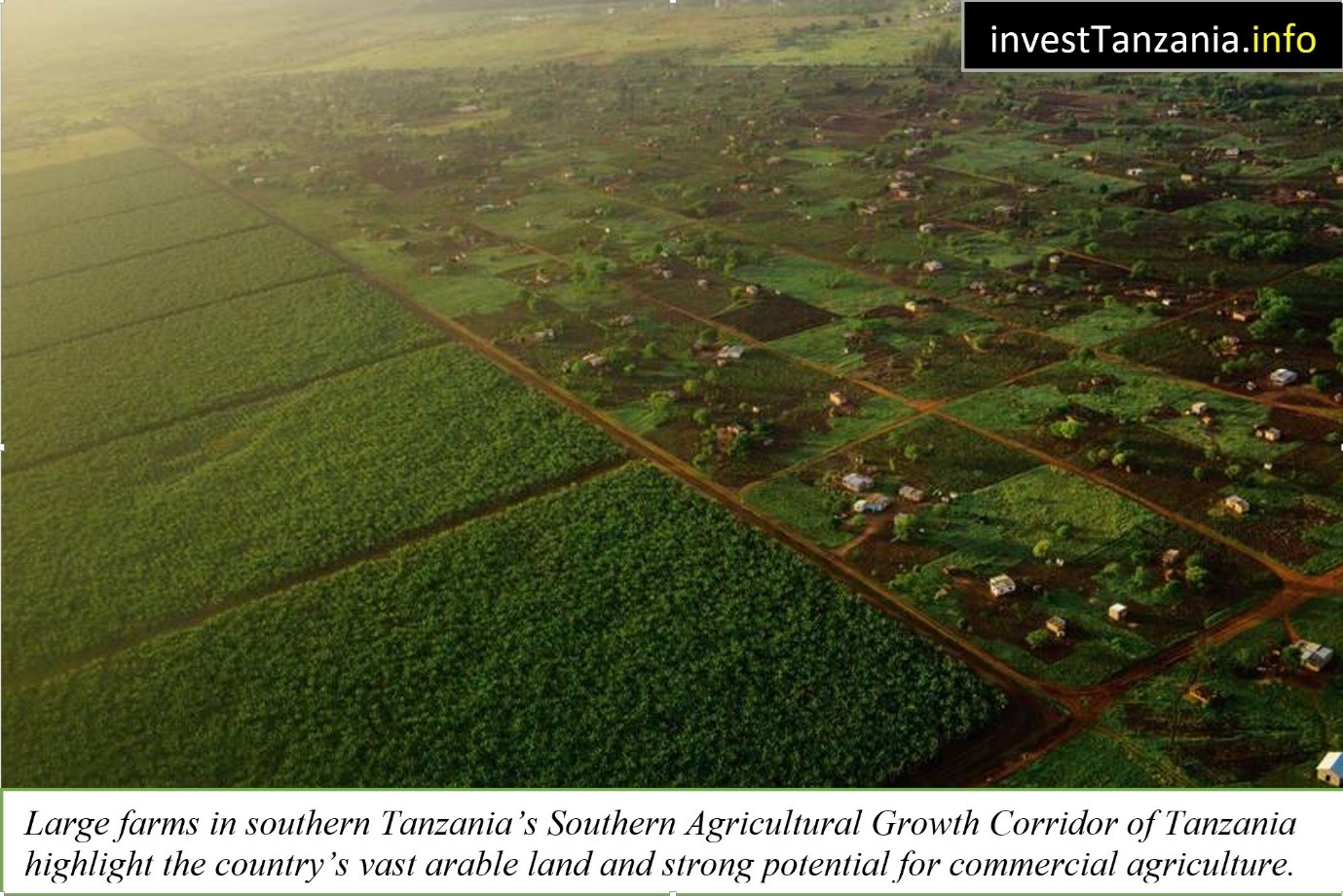
DAR ES SALAAM, Tanzania is strengthening its position as one of East Africa’s most promising agricultural investment destinations, supported by abundant land resources, rising production capacity, and growing government support for agribusiness.


Agriculture’s Central Role
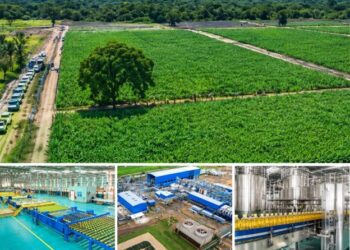
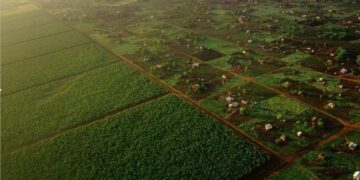
To begin with, agriculture remains a cornerstone of the Tanzanian economy. The sector contributes roughly 23–25% of GDP and employs about 65% of the workforce, making it one of the country’s largest economic drivers. Moreover, more than 44% of Tanzania’s land area is classified as agricultural, according to World Bank and FAO data.
As a result, investors increasingly view Tanzania as a market with significant potential for commercial farming, agro‑processing, and agricultural supply chains.
Strong Growth Potential
Tanzania’s broader economy has maintained steady expansion, averaging around 6% annual growth over the past two decades. Furthermore, agriculture has consistently been a key contributor. Recent surveys reported cereal production exceeding 10.8 million tonnes, led by maize and rice cultivation.
Consequently, rising domestic output is strengthening Tanzania’s ability to meet local food demand while expanding exports to regional and international markets.
Regional Comparison with Kenya
Meanwhile, Kenya remains a major agribusiness economy, particularly in high‑value exports such as horticulture and tea. Agriculture contributes roughly 21% of Kenya’s GDP and remains its largest economic sector.
However, Tanzania offers a different investment proposition. While Kenya leads in export‑oriented agritech and logistics efficiency, Tanzania provides scale; particularly through large land availability and expanding production capacity. Therefore, investors seeking land‑intensive projects often see Tanzania as an attractive complement or alternative within the region.
Investment Outlook
Looking ahead, Tanzania’s agricultural sector is expected to remain central to economic transformation. Continued investments in rural infrastructure, irrigation, and agro‑processing are likely to unlock further value across the agricultural value chain.
Ultimately, the combination of land availability, labour supply, and policy support positions Tanzania as a strategic destination for investors seeking long‑term opportunities in East Africa’s food and agriculture markets.