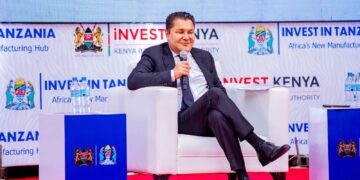










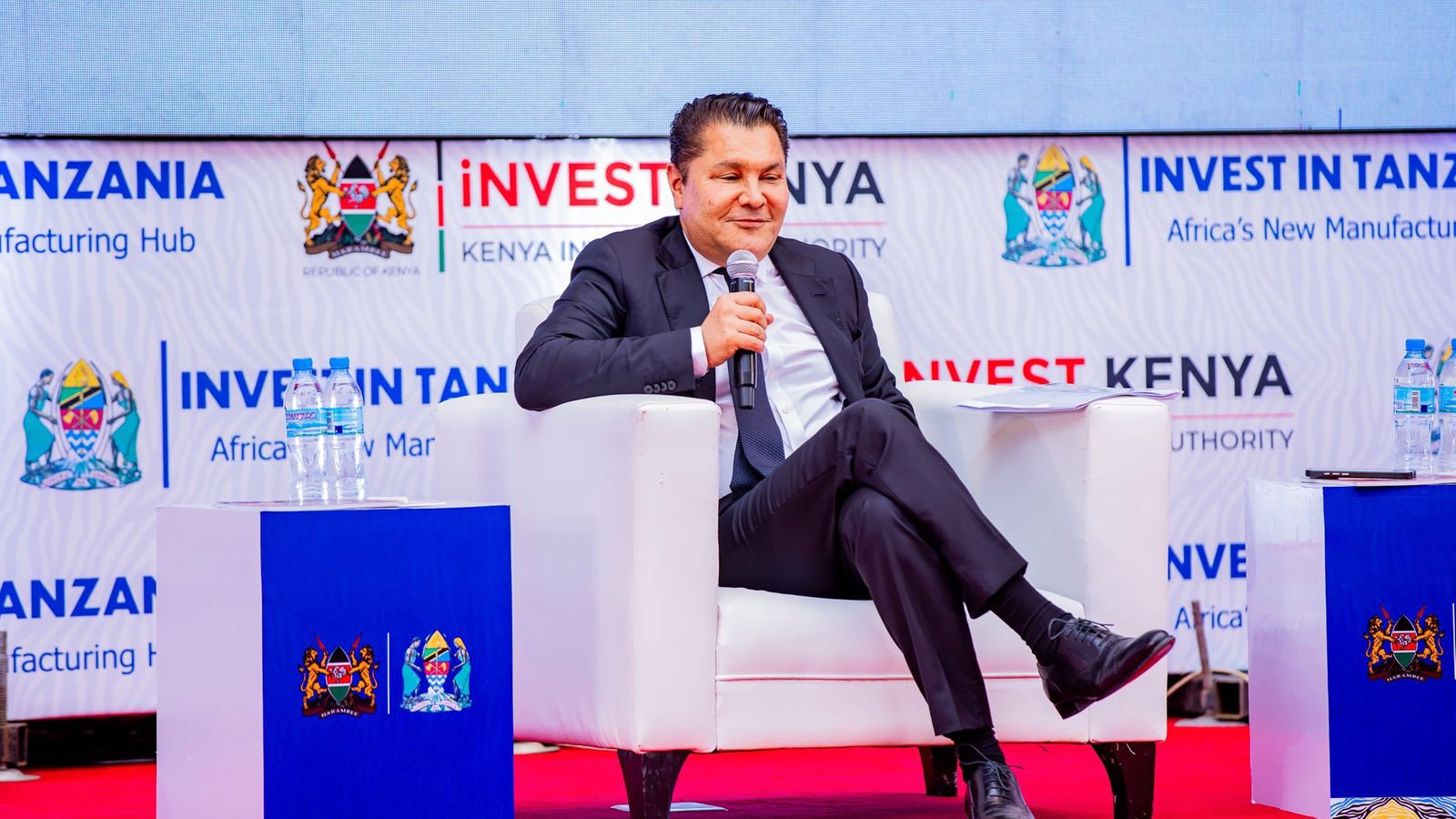
Dar es Salaam / Nairobi — Tanzanian business leader Rostam Aziz is calling for a bold shift in how Tanzania and Kenya position themselves economically—urging the two nations to integrate their systems and operate as a single investment destination to compete for global capital.


Aziz argues that while both countries have made progress independently, their true potential lies in scale and coordination. Acting as separate markets limits their attractiveness to large international investors, who often seek bigger, more stable and unified economic environments.
Beyond Trade: Toward One Market
Tanzania and Kenya already share strong trade ties, with bilateral trade exceeding $1 billion annually. However, recurring regulatory differences and administrative barriers continue to slow progress. According to Aziz, this signals the need for deeper alignment—not just cooperation, but harmonised policies, systems, and investment frameworks.
A unified approach would make it easier for businesses to operate across borders while increasing investor confidence in the region.
Unlocking Capital for Growth
With rising demand for infrastructure and industrial development, Aziz highlights the need to move beyond government-led financing. He advocates for greater use of capital markets, public-private partnerships (PPPs), and private investment to fund large-scale projects.
A combined Tanzania–Kenya market would offer the scale needed to attract institutional investors and global funds, unlocking financing that individual economies may struggle to secure alone.
A Strategic Opportunity
With a rapidly growing population and strategic location in East Africa, the two countries are well-positioned to become a regional economic powerhouse. Integration could drive:
- Faster industrial growth
- Improved trade efficiency
- Increased job creation
The Bottom Line
In an increasingly competitive global economy, Aziz’s message is clear: regional unity is key to global competitiveness. By integrating their economies, Tanzania and Kenya can unlock new levels of investment and position East Africa as a major force in the global market.