












June 2026 marked the official start of Tanzania’s peak tourism season, bringing renewed momentum to one of the country’s largest foreign exchange earners. While the month was not characterised by a single transformative policy announcement, it recorded encouraging visitor growth, particularly in Zanzibar, stronger bookings for mainland safari destinations, and continued investment in hospitality and aviation.


Tourism remains one of Tanzania’s priority sectors under the country’s long-term economic transformation agenda, contributing significantly to employment, conservation financing and foreign exchange earnings. According to the Ministry of Natural Resources and Tourism, Tanzania welcomed more than 5.3 million tourists in 2025, surpassing the national target and generating approximately US$3.9 billion in tourism receipts.
“Tourism has continued to exceed expectations, contributing significantly to economic growth, employment creation and foreign exchange earnings.” — Dr. Pindi Chana, Minister for Natural Resources and Tourism, during the release of the 2025 tourism performance report.
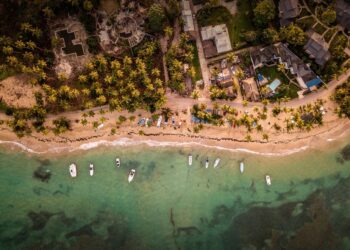
Zanzibar Records Strong International Visitor Growth
The clearest indicator of June’s tourism performance came from Zanzibar.
According to the Zanzibar Commission for Tourism, the islands received 69,605 international visitors in June 2026, representing a 3.1 percent increase compared with June 2025 and a remarkable 73.4 percent increase over May 2026.
The majority of visitors originated from Europe, reinforcing the region’s importance as Zanzibar’s largest source market during the northern hemisphere summer holiday season.
The figures also indicate growing confidence among international travellers as improved air connectivity, expanded accommodation capacity and sustained destination marketing continue to strengthen Zanzibar’s competitiveness.
“The increase reflects seasonal demand as well as Zanzibar’s growing attractiveness as a premium Indian Ocean destination.” — Zanzibar Commission for Tourism, June 2026 Monthly Tourism Statistics.
Safari Circuit Enters Peak Season
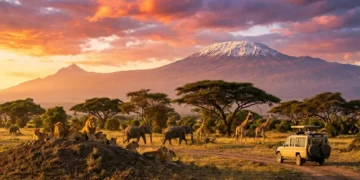
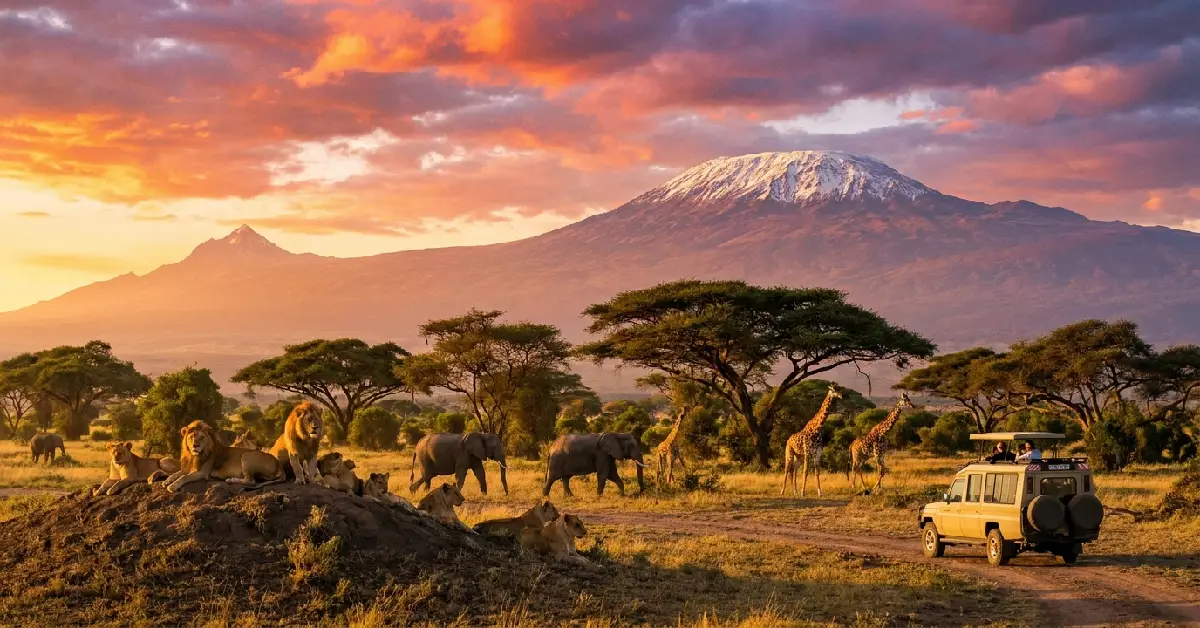
June traditionally marks the beginning of Tanzania’s busiest safari season.
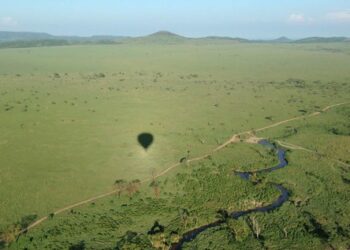
Dry weather across northern Tanzania improves wildlife visibility while the Great Migration continues attracting visitors to Serengeti National Park and the Ngorongoro Conservation Area.
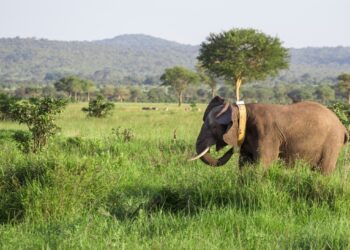
Destinations including Tarangire National Park, Lake Manyara National Park, Ruaha National Park and Nyerere National Park also experienced increased visitor activity as international tour operators entered their busiest booking period.
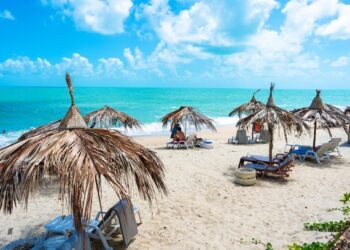
The Tanzania Tourist Board has continued promoting combined safari and beach packages that allow visitors to experience both mainland wildlife attractions and Zanzibar’s coastal tourism products.
“Tanzania offers one of the world’s few destinations where visitors can combine world-class wildlife experiences with internationally recognised beach tourism.” — Tanzania Tourist Board.
Investment Continues Across Hospitality
June also highlighted continued investor confidence in Tanzania’s tourism value chain.
Private investment has continued flowing into:
- Luxury safari lodges
- Beach resorts
- Boutique hotels
- Eco-tourism facilities
- Conference tourism
- Marine tourism
- Aviation services
These investments are helping diversify Tanzania’s tourism offering while supporting the government’s strategy of attracting higher-spending visitors instead of relying solely on increasing arrival numbers.
Industry analysts note that hospitality remains among Tanzania’s fastest-growing investment opportunities, particularly in Zanzibar, Arusha, Serengeti and emerging southern tourism circuits.
Improved Air Connectivity Supports Growth
A key driver behind Tanzania’s tourism recovery continues to be improved international connectivity.
Over the past year, airlines have expanded services linking Tanzania with Europe, the Middle East and Africa, making both Zanzibar and mainland destinations more accessible.
This growing connectivity has reduced travel barriers while strengthening Tanzania’s competitiveness against regional tourism destinations such as Kenya, Seychelles and Mauritius.
According to aviation stakeholders, improved connectivity is expected to support sustained visitor growth throughout the remainder of 2026.
Sustainability Remains Central to Tourism Growth
As visitor numbers continue rising, conservation remains central to Tanzania’s tourism strategy.
National parks, marine reserves and protected areas continue attracting international visitors while generating revenues that support wildlife conservation and local communities.
Government agencies have increasingly promoted sustainable tourism practices aimed at balancing economic growth with environmental protection and community participation.
This approach aligns with Tanzania’s long-term objective of positioning itself as a leading sustainable tourism destination.
“Tourism and conservation are inseparable pillars of Tanzania’s development strategy.” — Ministry of Natural Resources and Tourism.
Investment Outlook
June demonstrated that Tanzania’s tourism industry is entering the second half of 2026 from a position of strength.
Strong visitor growth in Zanzibar, increased safari demand, continued hotel investment and expanding international connectivity collectively reinforce the sector’s positive outlook.
For investors, opportunities continue to emerge across hospitality, eco-tourism, transport, digital tourism services, conference facilities and supporting infrastructure.
With the peak tourism season now underway, Tanzania remains well positioned to strengthen its standing as one of Africa’s leading tourism destinations while supporting the country’s broader ambition of achieving a US$1 trillion economy by 2050.