











DAR ES SALAAM. Tanzania is intensifying efforts to attract Chinese manufacturers into its textile industry as the government seeks to transform the country from a major cotton producer into a regional hub for textile and garment manufacturing.


The renewed investment drive follows a high‑level business mission to China led by Prof. Kitila Mkumbo, Minister of State in the President’s Office – Planning and Investment, which promoted Tanzania’s industrial opportunities to manufacturers and investors in Shanghai, Nantong, Jinan, Weihai, and Guangzhou earlier this year.
The mission formed part of Tanzania’s strategy to leverage commitments made under the Forum on China-Africa Cooperation (FOCAC), where China pledged USD 50 billion in financing to support trade, industrialisation, infrastructure, and investment cooperation across Africa. Officials say the objective is to attract a share of that investment into Tanzania’s manufacturing sector, particularly industries capable of adding value to locally produced raw materials.
“Our objective is to encourage investors to establish industries that process Tanzania’s raw materials locally, creating jobs, increasing exports and strengthening industrial development,” Prof. Mkumbo said during the investment forums in China.
Turning Cotton into Higher‑Value Exports
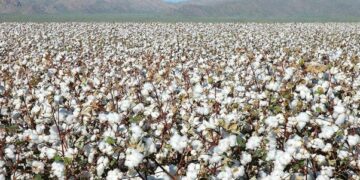
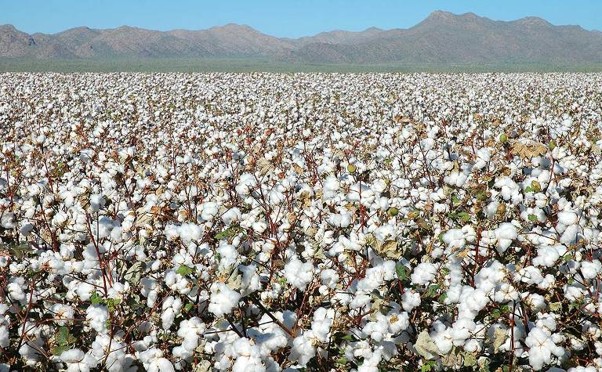
Tanzania is among Africa’s leading cotton producers, yet much of its harvest is exported in raw form. By expanding domestic spinning, weaving, dyeing, finishing, and garment manufacturing, the government aims to retain more value within the country while increasing export earnings.
Officials believe attracting textile manufacturers will also stimulate investment in supporting industries such as packaging, logistics, industrial machinery, chemicals, and skills development.
Why Chinese Manufacturers Are Looking at Tanzania
China remains Tanzania’s largest trading partner and one of its biggest sources of foreign direct investment. As production costs rise in parts of Asia, some manufacturers are exploring new production locations with access to competitive labour, abundant raw materials, and regional export markets.
Tanzania offers several advantages:
- Reliable cotton supplies
- Access to the East African Community (EAC) and the African Continental Free Trade Area (AfCFTA)
- Ongoing investment in ports and the Standard Gauge Railway
- Special Economic Zones designed to support export‑oriented manufacturing
Investment Opportunities across the Value Chain
The government’s investment campaign extends beyond garment production. Opportunities exist in:
- Cotton ginning
- Yarn production
- Textile mills
- Apparel manufacturing
- Textile machinery
- Industrial parks
- Warehousing and logistics
Industry analysts say developing these links could reduce dependence on imported textiles while positioning Tanzania as a competitive manufacturing base serving regional and international markets.
Investor Outlook
The government’s engagement with Chinese manufacturers reflects a broader industrialisation strategy focused on increasing value addition and export competitiveness.
If investment commitments secured during the China mission translate into new manufacturing projects, Tanzania could strengthen its position as one of East Africa’s emerging textile production centres while creating thousands of skilled jobs and expanding opportunities for local suppliers.
For investors, the message is clear: Tanzania is not simply seeking buyers for its cotton, it is inviting long‑term partners to build an integrated textile industry that can serve both African and global markets.