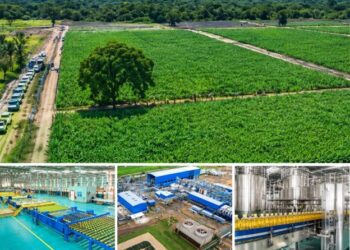













DAR ES SALAAM. Tanzania’s premium agro‑processing sector is drawing fresh investor interest as expanding export markets, stronger agricultural output, and industrial policy reforms reshape the country’s agricultural economy.


Long recognised for its raw agricultural production, Tanzania is increasingly shifting toward value addition, with policymakers and industry players seeking to transform farming output into higher‑value manufactured exports.
The transition is opening investment opportunities across food processing, packaging, logistics, and export‑oriented manufacturing, particularly in premium crops such as cashew, sesame, avocado, spices, and edible oils.
For investors, the development signals a broader structural shift: Tanzania is moving beyond commodity supply toward agro‑industrial production with regional and global market reach.
Value Addition Reshapes Agricultural Strategy
For decades, Tanzania exported much of its agricultural produce in raw form, limiting industrial development and leaving substantial processing margins overseas. That model is changing.
Government policy and private‑sector investment are placing greater emphasis on domestic processing as a pathway to stronger export earnings, industrial employment, and improved supply‑chain resilience. Analysts say this shift is creating more investable opportunities across agricultural value chains than previously seen.
Cashew and Sesame Lead Processing Expansion
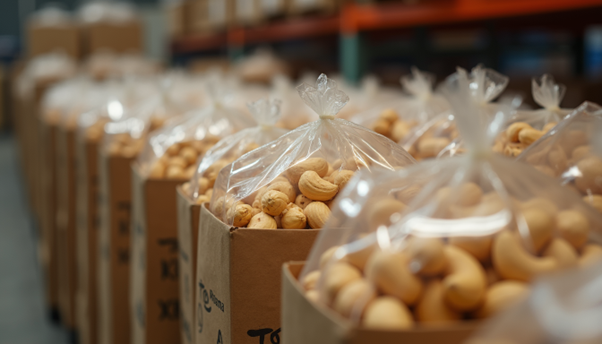
Cashew remains one of Tanzania’s strongest agro‑processing opportunities, with southern regions such as Mtwara and Lindi forming the backbone of production. Increasingly, the commercial focus is shifting toward local processing, packaging, and branded export products.
Sesame is following a similar path. With strong international demand and short production cycles, sesame offers investors faster turnover and growing opportunities in oil extraction and packaged food ingredients targeting Asian markets.
Premium Horticulture Expands Export Potential
Tanzania’s horticulture sector is strengthening its investment profile, with premium crops such as Hass avocado recording rapid expansion into Europe, the Middle East, and Asia.
The opening of newer export corridors is reinforcing the case for investments in cold‑chain infrastructure, packing and grading facilities, and export logistics. Infrastructure gaps in storage and temperature‑controlled transport are now viewed as high‑potential entry points.
Trade Access and Regional Positioning
Tanzania’s Indian Ocean access and trade links into inland African markets give manufacturers logistical advantages that are increasingly important for export‑oriented production.
China’s expanding tariff preferences for African exports are particularly relevant for processed agricultural products, encouraging manufacturers to move further into value‑added production.
Within East Africa, Kenya maintains a more mature agro‑processing ecosystem, but Tanzania offers lower costs, expanding agricultural output, and wider Greenfield opportunity making it a frontier growth market for early‑stage investors.
Growth Prospects
Tanzania’s agro‑processing industry is entering a more commercially sophisticated phase as agriculture and manufacturing become increasingly interconnected. Rising export demand, expanding processing activity, and supportive industrial policy are steadily reshaping the sector’s long‑term outlook.
For investors, the message is clear: Tanzania is no longer competing solely as a producer of agricultural commodities; it is establishing itself as one of East Africa’s next premium agro‑industrial investment destinations.