








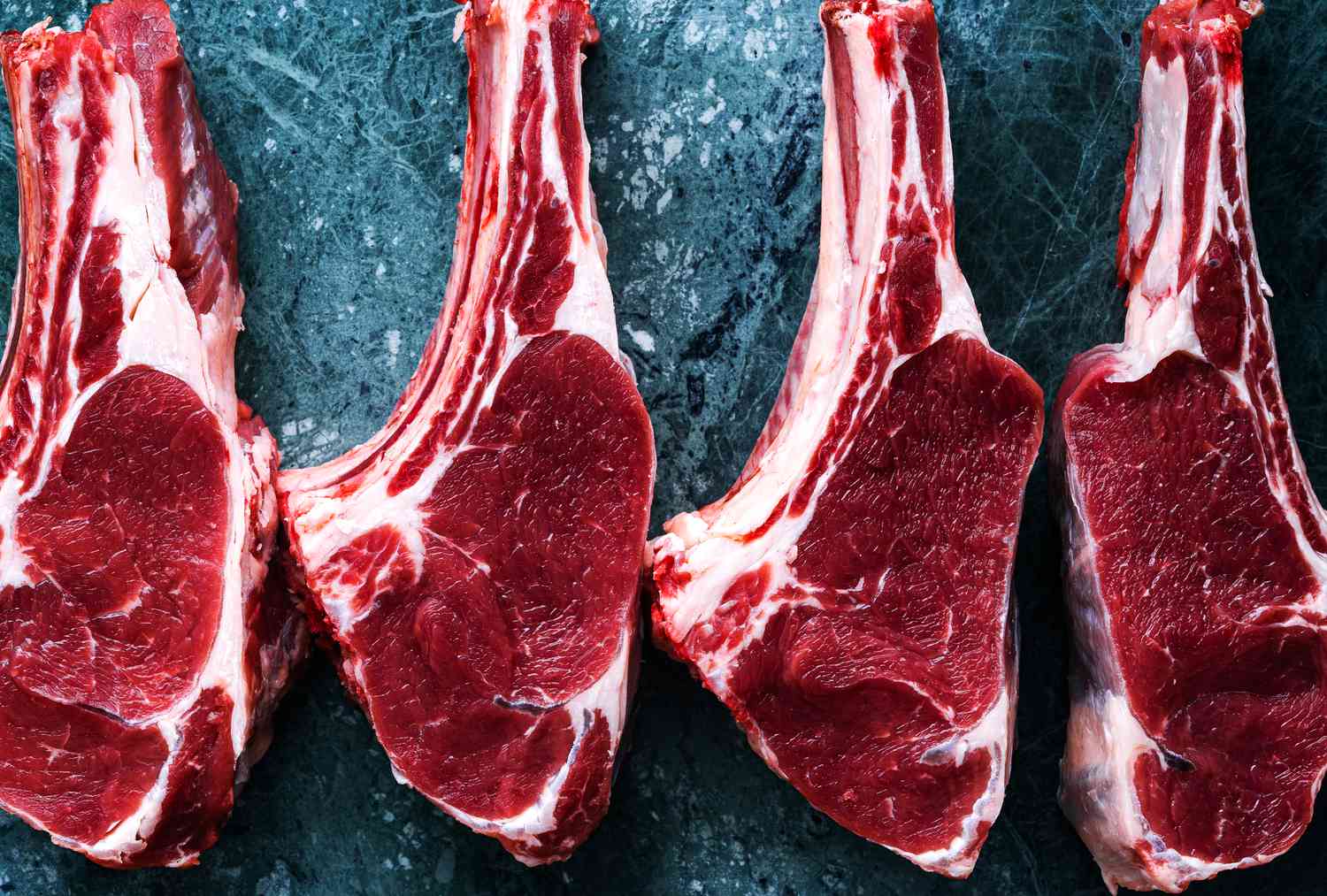
Tanzania’s livestock sector is rapidly emerging as one of the country’s most promising investment frontiers. Backed by one of Africa’s largest livestock populations, rising export earnings and growing government support for value addition, the sector is increasingly positioning Tanzania as a leading supplier of high-quality meat to regional and international markets.


While mining, tourism and agriculture have traditionally dominated Tanzania’s investment narrative, the livestock industry is quietly building momentum. From commercial ranching and meat processing to cold-chain logistics and export infrastructure, opportunities are expanding across the entire value chain.
A Livestock Giant with Untapped Potential
Tanzania is home to 36.6 million cattle, making it the second-largest cattle producer in Africa after Ethiopia. The country’s herd represents 11% of Afrdica’s total cattle population and 1.4% of the global cattle population, giving Tanzania one of the continent’s strongest foundations for livestock-based industrial growth.
The sector extends well beyond cattle. Between 2010 and 2022, populations of cattle, goats, sheep and poultry grew by an average of 83%, with cattle numbers more than doubling over the period. This steady expansion reflects increasing demand, improved livestock management and the sector’s growing commercial potential.
Today, livestock supports the livelihoods of 4.6 million Tanzanian households, making it one of the country’s most inclusive economic sectors.
“With the second-largest cattle population in Africa, Tanzania has the natural resources to become a regional leader in meat production and exports.”
A Growing Contributor to the Economy
Livestock continues to play a significant role in Tanzania’s economy. The sector contributed 7.4% of the country’s Gross Domestic Product (GDP) in 2022 and accounted for 26.1% of agricultural GDP, highlighting its importance within the broader agricultural economy.
Although its share of national GDP stood at 6.2% in 2023, the industry’s overall value has continued to rise.
During the 2024/2025 financial year, the total value of Tanzania’s livestock sector reached TZS 33.22 trillion, an increase from TZS 30.49 trillion recorded the previous year. The growth demonstrates rising investment, expanding production and increasing commercialisation across the industry.
Meat Exports Continue to Expand
Tanzania is also strengthening its position in international meat markets.
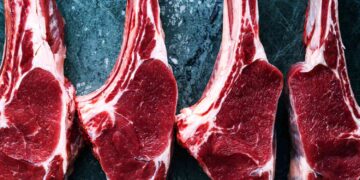
In 2024/2025, the country exported 9,863.41 tonnes of meat worth USD 44.07 million, representing a 5.75% increase compared to the previous year.
Goat meat continues to dominate Tanzania’s export portfolio, accounting for 64.69% of total meat exports. The strong demand reflects growing opportunities in Middle Eastern and Asian markets, where Tanzanian meat is increasingly gaining recognition.
Currently, Tanzanian meat is exported to 11 international markets:
Bahrain, Comoros , Hong Kong, Jordan , Kenya, Kuwait , Oman , Qatar, Saudi Arabia , United Arab Emirates , Vietnam ,
The expanding export
footprint demonstrates increasing confidence in Tanzania’s livestock industry and its ability to meet international market requirements.
The Investment Opportunity
As export demand grows, so does the need for investment across the livestock value chain.
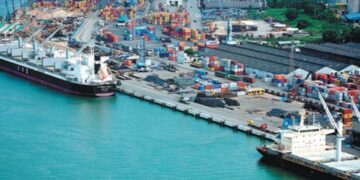
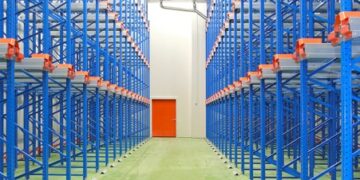
Opportunities exist in commercial ranching, modern abattoirs, meat processing facilities, cold-chain logistics, animal feed production, veterinary services and export logistics. Greater investment in these areas would improve efficiency, increase value addition and strengthen Tanzania’s competitiveness in global meat markets.
For investors seeking opportunities in agribusiness, Tanzania offers a rare combination of abundant natural resources, a rapidly growing livestock population and expanding access to international markets.
Looking Ahead
With one of Africa’s largest livestock herds, rising export earnings and increasing commercialisation, Tanzania is well positioned to become a regional hub for meat production and exports.
The challenge now is to translate this natural advantage into higher-value exports through continued investment in processing, infrastructure and quality standards.
If successfully leveraged, Tanzania’s livestock sector could become one of the country’s most important drivers of export growth, rural employment and long-term economic transformation—cementing its place as East Africa’s leading meat export hub.