









DODOMA. Tanzania has announced new opportunities for private investors to participate in the redevelopment of Msasani and Sinza, two of Dar es Salaam’s most dynamic districts, as part of a broader push to modernise the city’s infrastructure and unlock real estate value.


The initiative was unveiled by Minister for Lands, Housing and Human Settlements Development, Dr. Leonard Chamuriho Akwilapo, while presenting the ministry’s 2026/27 budget estimates in Parliament. He confirmed that the projects will be implemented under the Land Readjustment Programme, an urban planning model that reorganises land parcels to accommodate modern infrastructure while allowing landowners to retain serviced plots of higher value.
At the same time, the government has resumed the Sinza development project, which had faced delays due to funding and land acquisition challenges, and formally designated the area for a 20‑year redevelopment programme (2026-2046).
Sinza Redevelopment Plan 2026-2046
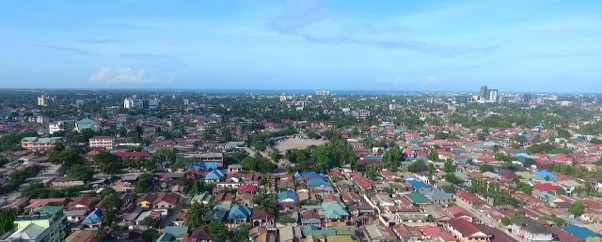
According to a public notice by Eleuteri Mangi, Director of Government Communications at the Ministry, Sinza has been identified as part of Dar es Salaam’s “development corridor” to address rapid urbanisation, rising economic activity, and growing infrastructure needs.
The Sinza Area Redevelopment Plan (2026-2046) positions the neighbourhood for higher‑density development, upgraded infrastructure, and mixed‑use projects in housing, commerce, and investment. The plan is aligned with Vision 2050, which aims to transform Tanzania into a modern, knowledge‑based economy with competitive cities and high‑quality living environments.
Urban planners note that Sinza’s transformation reflects a broader trend already seen in Posta, Kariakoo, Upanga, and Masaki, where low‑density residential areas have shifted to mixed‑use developments and intensified commercial activity.
Unlocking Urban Investment
The redevelopment of Msasani and Sinza is expected to generate opportunities in residential housing, commercial real estate, mixed‑use developments, retail centres, office space, hospitality, and supporting urban infrastructure.
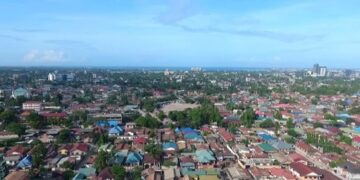
Sinza, a densely populated suburb in Kinondoni district, has long struggled with inadequate roads, drainage, and public facilities. The revived project will prioritise upgrading road networks, enhancing water supply, and modernising public spaces. Improved infrastructure is expected to raise property values and attract new investment from developers and institutional funds.
Community Participation and Safeguards
The government has stressed that residents and landowners remain central to the planning process, with consultations ongoing from street level upwards. Officials have promised transparent implementation and sustainable practices, while cautioning against misinformation about displacement or specimen‑sharing agreements.
UN‑Habitat and World Bank studies highlight that planned densification of centrally located suburbs like Sinza can improve land efficiency, reduce sprawl, and strengthen infrastructure use provided inclusive planning and compensation mechanisms are in place.
Investor Outlook
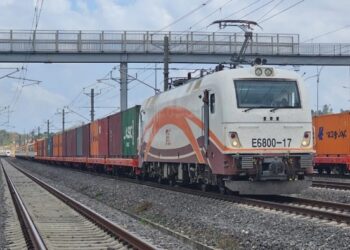
Dar es Salaam, home to more than six million residents, is projected to nearly triple in population by 2050. The Msasani and Sinza projects align with Tanzania’s broader infrastructure investments, including the Standard Gauge Railway, port expansion, and road upgrades, which are enhancing the city’s role as a regional hub.
For investors, the message is clear: Tanzania is leveraging private capital and long‑term planning to transform key urban districts. The Sinza Area Redevelopment Plan (2026-2046) and Msasani’s regeneration open the door to large‑scale opportunities in real estate, infrastructure, and public‑private partnerships, positioning Dar es Salaam as a competitive urban investment destination.