










A major shift is taking place in East Africa’s trade landscape — and Tanzania is at the center of it.


Recent trade data shows that Tanzania has overtaken both Kenya and China to become Uganda’s largest source of imports, driven primarily by a surge in gold and precious metals trade. The development signals more than a temporary trade spike; it reflects Tanzania’s growing role as a regional economic and logistics powerhouse.
According to trade figures reported by the Bank of Uganda, imports from Tanzania have risen sharply, with gold accounting for the largest share of the increase. Uganda’s imports of precious metals and jewellery reportedly exploded from just Shs4.22 billion in the 2021/22 financial year to Shs16.65 trillion by 2025.
Bank of Uganda Executive Director for Research and Economic Analysis Adam Mugume noted that “most of the imports from Tanzania are gold,” highlighting how mineral trade is reshaping regional commerce.
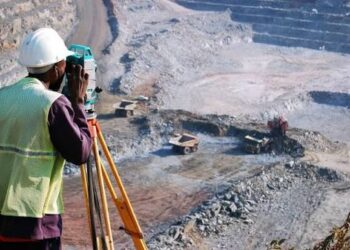
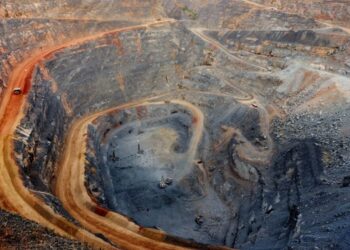
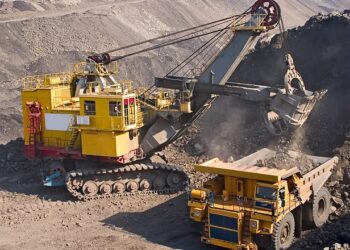
The numbers reveal the scale of the transformation. Tanzania’s gold exports surged by 38.5 percent to more than $5.2 billion in the year ending March 2026, according to the latest Bank of Tanzania economic review. Gold now accounts for one of the country’s largest foreign exchange earners, cushioning the economy against global oil and shipping shocks.
At the same time, Uganda has rapidly emerged as one of Africa’s major gold refining and trading hubs. Reuters reports that Uganda’s gold exports jumped 75.8 percent in 2025 to $5.8 billion, overtaking coffee as the country’s leading export sector.
This growing Tanzania–Uganda gold corridor is becoming one of the most important economic linkages in the region.
But Tanzania’s rise is not only about gold.
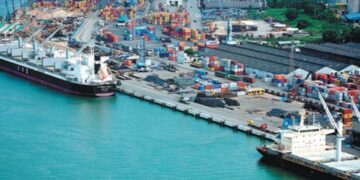
The country has spent years investing in strategic infrastructure projects that are now paying off. Expansion of the Port of Dar es Salaam, upgrades to railway systems, improved regional roads, and increased energy production have strengthened Tanzania’s position as a gateway for East and Central African trade. These investments are making it easier and cheaper for neighboring countries to move goods through Tanzania’s trade corridors.
Manufactured exports are also rising rapidly. The Bank of Tanzania reports that exports of manufactured goods increased by 32 percent, driven by growing regional demand for iron, steel, and industrial products.
For investors, the implications are significant.
Tanzania is increasingly positioning itself as:
- A regional logistics hub
- A strategic mineral trade gateway
- A manufacturing growth center
- A stable long-term investment destination within the East African Community
The country’s combination of natural resources, geographic access to multiple landlocked economies, and expanding infrastructure gives it a competitive advantage that few African economies currently possess.
Global trends are also working in Tanzania’s favor. Rising geopolitical tensions and growing central bank demand for gold have pushed global bullion prices to historic highs, strengthening East Africa’s mineral economies.
As supply chains continue shifting and Africa’s regional trade integration deepens, Tanzania is emerging not simply as a participant in East Africa’s economy — but as one of the forces shaping its future.
For international investors looking toward Africa’s next decade of growth, Tanzania is increasingly becoming difficult to ignore