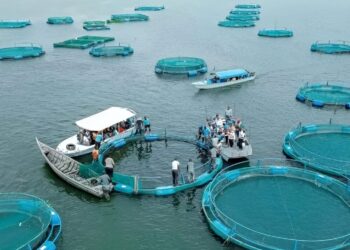










DAR ES SALAAM. Tanzania is stepping up efforts to unlock investment in its blue economy as government‑backed programmes and international financing target the expansion of fisheries, aquaculture, and marine value chains.


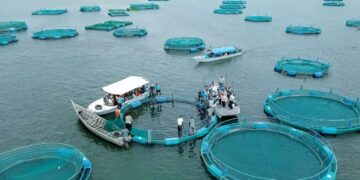
The renewed focus follows the February 2026 launch of a USD 117 million World Bank‑supported programme in Dar es Salaam, aimed at strengthening fisheries management, expanding aquaculture production, improving livelihoods, and attracting private investment into one of Tanzania’s most underdeveloped economic sectors.
Speaking during a blue economy stakeholder forum in Zanzibar in March 2026, Second Vice President Hemed Suleiman Abdulla said the sector offers significant opportunities for both local and international investors.
“The blue economy presents enormous opportunities in fisheries, aquaculture, marine transport, tourism, and value addition. We welcome investors to partner with us in unlocking this potential,” Abdulla told participants.
An Industry with Room to Grow
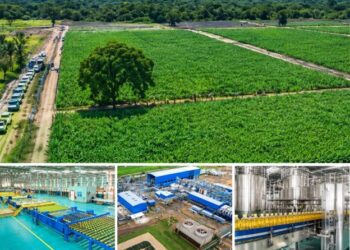
Despite possessing one of East Africa’s longest coastlines and extensive freshwater resources, Tanzania’s aquaculture sector remains relatively small compared to its potential. Most private capital has flowed into crops such as avocado, sesame, tea, coffee, and cashew nuts.
Yet global demand for fish and seafood products continues to rise, creating opportunities that extend well beyond traditional farming.
Industry stakeholders highlight room to expand:
- Commercial fish farming
- Shrimp cultivation
- Aquaculture feed production
- Seafood processing
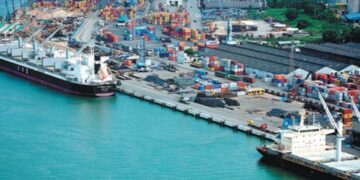
- Export logistics
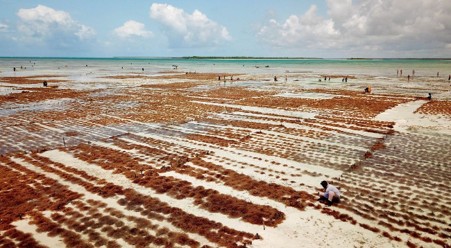
Seaweed Industry Draws Fresh Attention
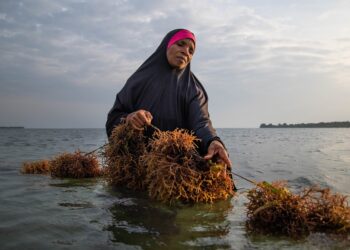
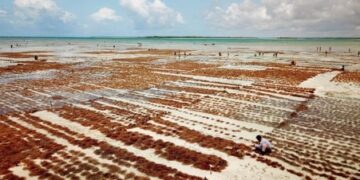
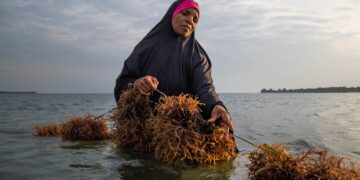
A May 2026 study by the University of Dar es Salaam and University of Dodoma highlighted Tanzania’s growing potential within global seaweed markets.
“Seaweed is no longer a marginal crop, it is a strategic export with applications across food, pharmaceuticals, and biotechnology. What we need now is investment in processing and value addition,” said Dr. Amina Mshindo, lead researcher at the Institute of Marine Sciences, presenting the findings in Dar es Salaam.
Infrastructure Gaps Create Investment Opportunities
Despite growing demand, major parts of the fisheries and aquaculture value chain remain underserved.
“Post‑harvest losses remain one of our biggest challenges. This is exactly where investors can make a difference, in cold‑chain systems, packaging, and processing facilities,” noted World Bank Country Director Nathan Belete at the February 2026 programme launch.
Regional Comparison Strengthens Tanzania’s Position
Kenya has developed stronger fish‑processing infrastructure, while Uganda remains a major exporter of Nile perch. Tanzania, however, offers a different proposition: abundant marine resources, freshwater systems, a recognised seaweed industry, and a relatively underdeveloped aquaculture market with significant room for expansion.
Investor Lens
“This is a frontier sector. Investors who move early into aquaculture whether in fish farming, shrimp, or seaweed will capture long‑term margins as global demand continues to rise,” said Prof. Fortunata Songora Makene, Executive Director of ESRF, during a June 2026 investor roundtable in Dodoma.
Growth Prospects
Government support, international financing, growing consumer demand, and expanding export opportunities are beginning to reshape Tanzania’s blue economy.
While mining, tourism, and agriculture continue to attract most investor attention, fisheries and aquaculture remain comparatively undercapitalised despite significant resource advantages.
For investors, the opportunity is clear: Tanzania’s next major growth story may not be found underground or on farmland, but along its coastline and across its waters.