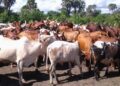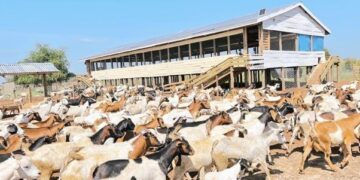










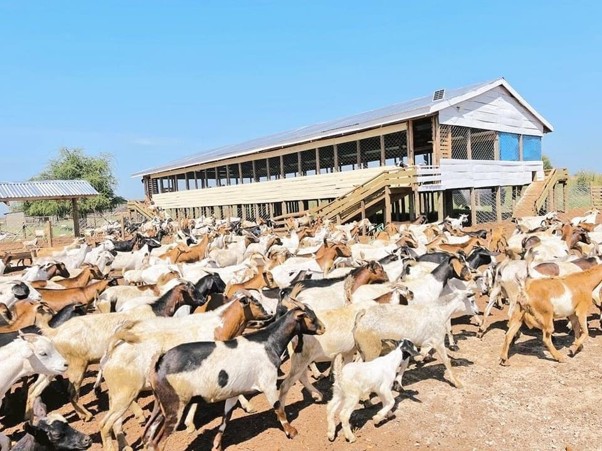
Dar es Salaam. Tanzania’s goat and sheep industry is quietly stepping into the spotlight. Once seen largely as the domain of smallholder farmers, the sector is now being reshaped by rising herd numbers, growing meat production and government efforts to attract private capital into commercial ranching and processing.


Recent figures for the 2026/27 financial year show Tanzania had approximately 29.6 million goats and 9.94 million sheep in 2025. Goat and sheep meat production reached 192,553 tonnes in 2025/26, while the overall livestock asset value climbed to TZS 34.33 trillion by April 2026, up from TZS 33.22 trillion the previous year. For investors, these numbers point to a substantial resource base waiting to be commercialised.
Beyond Farming: Building the Value Chain
The real opportunity is not simply owning more goats or sheep. Tanzania’s Tanzania Investment and Special Economic Zones Authority (TISEZA) has identified investment prospects across the value chain, including commercial ranches, livestock fattening, modern slaughterhouses, and meat‑processing plants.
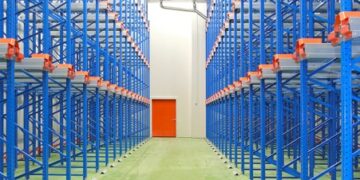
An integrated model breeding or aggregating animals, fattening them to market specifications, processing them into value‑added products, and supplying domestic and export markets, could transform the industry. Such infrastructure would also create demand for veterinary services, animal‑feed production, cold‑chain logistics, and distribution networks.
A Growing Supply Base
Government data show goat numbers rose by 3.5% to nearly 29.6 million, while sheep reached 9.9 million. Total meat production exceeded 1.1 million tonnes in 2025/26, with goats and sheep contributing almost 193,000 tonnes.
For commercial processors, scale and predictability are critical. Tanzania’s expanding small‑ruminant population provides the raw supply needed to support modern processing and export facilities.
Government Seeks Private Capital
TISEZA’s framework promotes joint ventures, new ranches, fattening facilities, slaughterhouses, and animal‑feed plants. This gives investors multiple entry points without requiring them to build an entire value chain alone.
Foreign investors, for example, could partner with local producers for livestock aggregation while investing in feedlots, abattoirs, cold‑storage facilities, or processing plants.
From Live Animals to Value‑Added Meat
The larger economic opportunity lies in shifting from live‑animal sales to processed meat products. Investment in modern slaughtering and processing can improve quality control, traceability, packaging, and market consistency.
Such infrastructure can also serve multiple livestock categories, improving utilisation and reducing dependence on a single product line.
Investor Outlook
Tanzania’s goat and sheep industry combines a large production base, rising meat output, and a government‑endorsed pipeline of investment opportunities.
The investment case spans:
- Commercial ranches
- Breeding and genetics
- Feedlots
- Animal‑feed manufacturing
- Veterinary services
- Modern abattoirs
- Meat processing and packaging
- Cold‑chain logistics
- Livestock aggregation and distribution
For investors, the opportunity is clear: goats and sheep are no longer just smallholder assets, they are the foundation of a scalable, value‑added meat industry that can serve both domestic and export markets.