











DAR ES SALAAM. Japanese companies are taking a closer look at Tanzania’s agriculture and industrial sectors as bilateral economic relations evolve from development cooperation toward investment, technology transfer and local production.


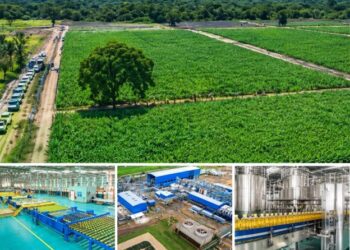
The latest sign of that shift came in September when a 29-member Japanese business delegation visited industrial facilities in Bagamoyo to assess investment and partnership opportunities across agriculture, manufacturing and processing industries.
The delegation, led by Yoichi Mikami, Japan’s Ambassador to Tanzania, included representatives from major Japanese trading houses, logistics companies, industrial firms and development agencies. Participating companies included Mitsubishi Corporation, Mitsui & Co., Sumitomo Corporation, Marubeni, Itochu, Sojitz East Africa, Mitsui O.S.K. Lines and NYK. They toured facilities operated by the Kamal Group as part of efforts to better understand Tanzania’s industrial and agricultural potential.
Agriculture Draws Growing Attention
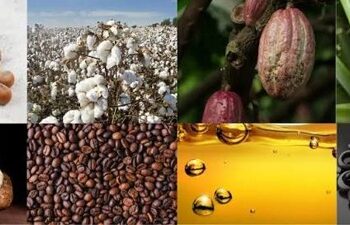
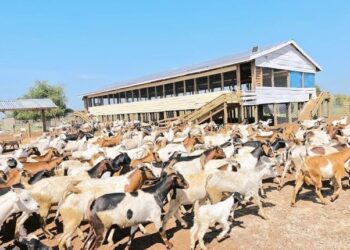
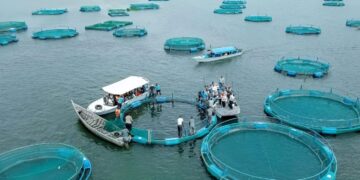
For Tanzania, the significance of the visit extends beyond diplomatic engagement. According to Ryutaro Miyamoto of the Japanese Chamber of Commerce, the delegation was particularly interested in opportunities linked to agriculture, farming and natural-resource-based industries, as well as potential trade links between Tanzania, Japan and other international markets.
The interest reflects a broader trend among global investors seeking opportunities in food production, processing and agricultural value chains as demand for secure and diversified supply sources continues to grow.
Value Addition Takes Centre Stage
Tanzania’s investment proposition is increasingly focused on value addition rather than the export of raw materials.
Sameer Santosh, Managing Director of the Kamal Group, said the company has expanded beyond steel manufacturing into industrial gases, mining, refining, agro-processing and industrial infrastructure. He noted that Japanese partnerships could help accelerate the establishment of new industries, strengthen technology transfer and increase production capacity.
The opportunity therefore extends beyond farming itself into processing, packaging, industrial equipment, logistics and export-oriented manufacturing.
Part of a Larger Investment Push
The Bagamoyo visit followed Tanzania’s investment promotion campaign in Japan led by Prof. Kitila Mkumbo, Minister of State in the President’s Office – Planning and Investment.
During the mission, Tanzania presented opportunities in agro-processing, pharmaceuticals, food manufacturing, logistics, automotive assembly and industrial development, while emphasising investments capable of creating local supply chains and connecting Tanzanian businesses to regional and global markets.
Tanzania’s access to the East African Community (EAC), Southern African Development Community (SADC) and the African Continental Free Trade Area (AfCFTA) is also being promoted as a strategic advantage for investors seeking a production and distribution base in East Africa.
Investor Outlook
The Bagamoyo visit does not represent a confirmed investment commitment. It does, however, provide a tangible sign that Japanese companies are moving beyond conference rooms and examining opportunities on the ground.
For investors, the message is clear: Tanzania’s next challenge is not attracting attention, but converting investor interest into factories, processing plants, technology partnerships and export-oriented businesses that strengthen industrial growth and agricultural value addition.