









DAR ES SALAAM. Tanzania’s expanding port infrastructure is creating investment opportunities that stretch far beyond the quayside, as rising cargo volumes and growing regional trade drive demand for warehouses, dry ports, freight services and transport networks.


The latest development came in September when Hon. Julien Paluku Kahongya, the Democratic Republic of Congo’s Minister of International Trade, announced plans to increase the share of Congolese cargo moving through the Port of Dar es Salaam from 50 percent to 60 percent following the development of new mining projects in the DRC.
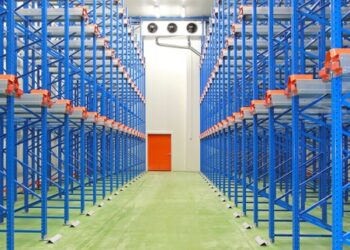
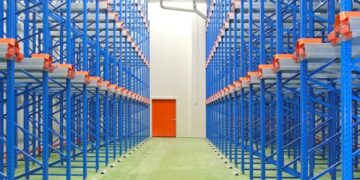
To support the growing trade corridor, Tanzania has allocated 60 hectares at Kwala Dry Port for Congolese cargo storage before onward transportation to the DRC, while the Congolese government has committed a similar area for Tanzanian logistics activities. The arrangement creates opportunities in warehousing, inland logistics, freight forwarding, trucking and customs services.
Dar Port Reaches New Capacity
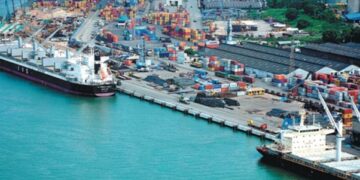
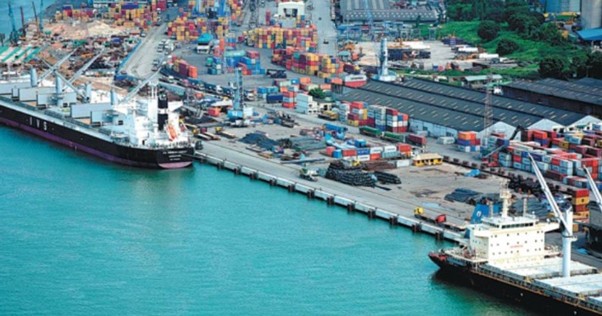
The opportunity is being reinforced by rising throughput at Dar es Salaam Port. According to the Tanzania Ports Authority (TPA), the port handled 33.7 million tonnes of cargo during the 2025/26 financial year, up from 27.7 million tonnes a year earlier and 23.7 million tonnes in 2023/24.
Infrastructure upgrades have also changed the scale of operations. Dar Port can now accommodate vessels of up to 305 metres in length and 15 metres draft, compared with 267 metres and an 11-metre draft previously. Container vessels carrying up to 8,000 TEUs can also be handled, strengthening the port’s competitiveness within the region.
Fuel Storage Adds another Investment Dimension
Beyond containers and cargo, Tanzania is expanding its energy logistics capacity.
As of early September, construction of 15 petroleum storage tanks at Dar es Salaam Port had reached 52 percent completion. Once completed, the facility will provide a combined storage capacity of 378,000 cubic metres for diesel, petrol and aviation fuel.
The project is expected to reduce vessel waiting times significantly and improve efficiency across the petroleum supply chain, creating opportunities in storage, distribution and fuel logistics.
Mtwara Strengthens the Southern Corridor
Meanwhile, construction of the TZS 435 billion Kisiwa/Mgao Port Project in Mtwara reached 48 percent completion in September and is expected to be completed in 2028.
The project is designed to accommodate larger vessels and increased bulk-cargo traffic, supporting industrial and logistics activity across Tanzania’s southern corridor.
Investor Outlook
Tanzania’s port strategy is increasingly creating an integrated logistics market rather than isolated infrastructure projects.
Opportunities are emerging in dry ports, warehouses, fuel storage, trucking, freight forwarding, rail-linked logistics and cargo handling services, all supported by rising trade volumes and regional connectivity.
For investors, the real opportunity may no longer be the ports themselves, but the businesses that connect them to markets across East and Central Africa. As cargo volumes continue to grow and regional trade corridors deepen, logistics infrastructure is becoming one of Tanzania’s most compelling investment stories.