










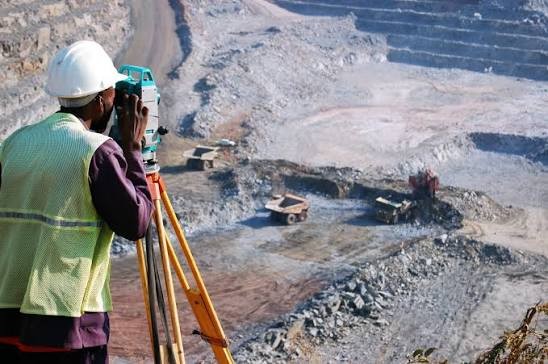
Tanzania is nearing agreements on two critical-mineral projects, signalling potential new opportunities for mining investment, mineral processing and industrial supply-chain development.


The development was disclosed by Ambassador Khamis Mussa Omar, Minister for Finance, in an interview with Reuters on October 13. While he did not identify the projects or disclose their investment values, he said US investors were showing interest in Tanzania’s energy and critical-minerals sectors.
The announcement comes as global demand for minerals used in batteries, electric vehicles and advanced technologies continues to grow, increasing competition for new sources of supply and creating incentives for greater mineral processing in producing countries.
Opportunities beyond Extraction
For investors, the opportunity extends well beyond mining. Tanzania’s established mineral resources include graphite, nickel, copper and cobalt, all of which play important roles in modern industrial and energy-transition supply chains.
Graphite is particularly significant because it is used in battery anodes. Developing a competitive graphite industry requires investment not only in mining but also in concentration facilities, purification technology, specialised equipment, and reliable energy supply and transport infrastructure.
The World Bank’s Tanzania Country Climate and Development Report identifies opportunities to increase domestic value addition through graphite processing and nickel refining. The report also highlights the importance of infrastructure, regulatory predictability and stronger economic linkages between mining projects and local industries.
As a result, opportunities may arise for engineering firms, equipment suppliers, laboratory-service providers, logistics operators, industrial contractors and energy developers supporting future mining projects.
Processing and Industrial Development
The government’s focus on critical minerals aligns with broader efforts to capture more value from natural resources before export.
Rather than exporting raw materials alone, Tanzania is seeking greater participation in downstream activities such as refining, processing and manufacturing inputs used in global supply chains.
This approach could create additional demand for industrial facilities, supporting infrastructure and specialised services linked to mineral-development projects.
Financing and Project Readiness
The next key milestone will be the identification of the two projects and the release of details on ownership structures, financing arrangements and implementation timelines.
Until then, investors cannot accurately assess capital requirements, procurement opportunities or expected project economics.
Infrastructure availability, environmental management and local participation will also influence project viability and long-term competitiveness.
Investor Outlook
The reported negotiations provide a strong signal that Tanzania’s critical-minerals sector continues to attract international attention.
However, the most actionable investment opportunities will emerge once the government discloses the projects involved and clarifies their processing requirements, infrastructure needs and procurement plans.
For now, investors should view the announcement as an indication that new opportunities may be emerging across Tanzania’s mining and mineral-processing value chains rather than as evidence that final agreements have already been concluded.