












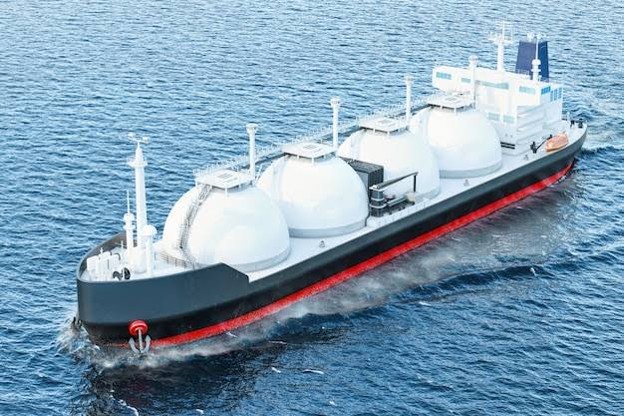
LONDON — Tanzania is moving closer to finalising agreements for a proposed $42 billion liquefied natural gas (LNG) project expected to unlock the country’s natural gas resources and support long-term industrial development.


The project, led by Equinor and Shell, is one of Tanzania’s most significant planned energy investments. Other partners include ExxonMobil, Pavilion Energy, Medco Energi and the state-owned Tanzania Petroleum Development Corporation (TPDC).
Tanzania holds an estimated 47.13 trillion cubic feet of natural gas reserves, providing a resource base for the proposed development and the country’s ambitions to expand its role in international energy markets.
Natural Gas to Support Industrial Development
The proposed LNG project could strengthen Tanzania’s position in the global energy market while creating opportunities for investment in energy infrastructure and related industrial services.
Most of the LNG produced is expected to be exported to international markets, while a portion of the country’s natural gas resources is intended for domestic use.
For Tanzania, the development represents an opportunity to attract international capital, generate export revenue and make greater use of its natural gas resources.
Tanzania Plans to Expand Electricity Generation
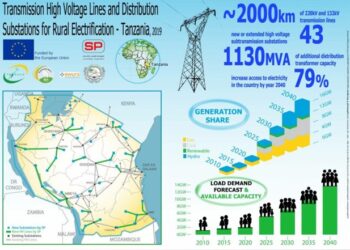
Alongside its natural gas ambitions, the government plans to increase electricity generation capacity to 8,000 megawatts by 2030, approximately double the current level.
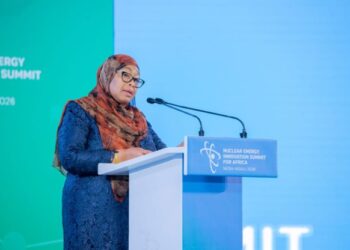
Finance Minister Khamis Mussa Omar has outlined the government’s intention to increase the contribution of energy sources classified as clean energy to around 75%. These sources include hydropower, solar, wind and natural gas.
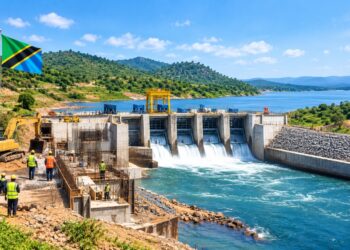
Achieving these targets will require investment in power generation, transmission infrastructure and other energy projects. The planned expansion reflects Tanzania’s ambition to strengthen its energy supply and support economic and industrial development.
Investment Outlook
The proposed $42 billion LNG project represents a potential investment in Tanzania’s energy sector. If final agreements are concluded and the project proceeds to development, it could create opportunities in natural gas exports, energy infrastructure and related industrial services.
For international investors, the project’s progress is worth monitoring as Tanzania seeks to attract foreign capital and expand its participation in global energy markets.